
The 25 Best Horror Thriller Movies
A thriller withholds. It runs on suspense, competence and the gap between what a character knows and what you do, and the pleasure is watching someone work a problem faster than the problem works them. Horror does not withhold so much as insist: dread, and the violation of a body or of the rules a world was supposed to obey.
A horror thriller sits on that hinge, and the good ones make the hinge do labour. Clarice Starling has to hand over her childhood to buy a lead. Clouzot's conspirators execute a perfect plan and get hunted by their own bookkeeping. Miike spends an hour on a courtship so the last twenty minutes can re-file it as evidence. Ranked below on critical standing and on how hard each film works that seam, never on how much blood it spills.
Watch these free right now


How this list was built
Critical standing comes first: what has held up across reviews, retrospectives and repertory programming. Then the sharpness of the hinge. A merely violent thriller does not qualify. Neither does a horror film with a detective in it if the detective is furniture.
We keep separate lists for psychological horror and for serial-killer films, and the overlap is real. Some titles here genuinely belong on more than one page, and pretending otherwise would be dishonest. What changes is the criterion: those lists ask what a film is about, this one asks how it is built.
The range runs from 1955 to the present and crosses Japan, Korea, Italy, Austria, Denmark and the anglophone canon, because the hinge is not an American invention. Titles we hold link through to their full film page, and anything streamable routes to the player.
The films on this list

The Silence of the Lambs 1991
Demme's masterstroke is the interview room: Clarice has to trade autobiography for information, so the procedural runs on being read rather than on evidence. Buffalo Bill is the case, and Lecter is the price of solving it.

Psycho 1960
Hitchcock spends forty minutes building an embezzlement thriller, then murders it in a bathroom. The switch is the point: suspense machinery abandoning you mid-sentence, and the genre has been imitating that abandonment ever since.

Se7en 1995
Fincher hands the sermon to the investigation itself: two cops assemble a killer's argument and then finish it for him. Unlike Zodiac further down, the case here closes, which turns out to be worse.
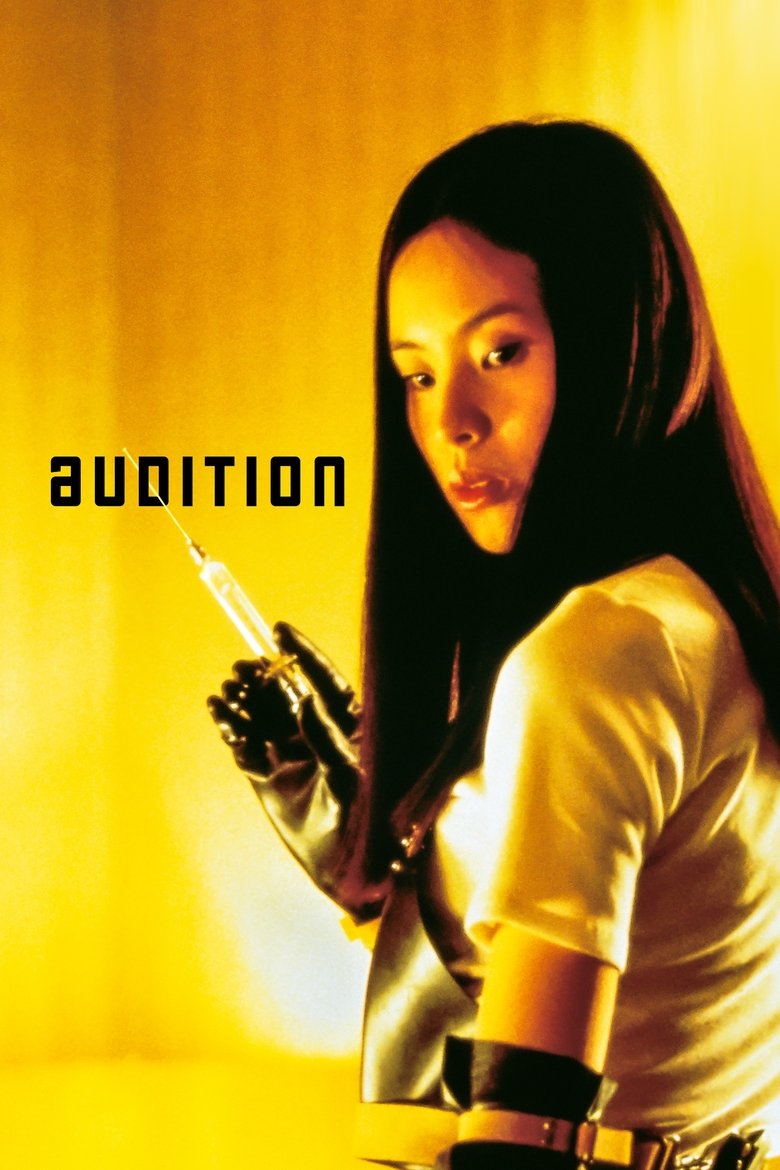
Audition 2000
Miike runs a mild romance for an hour so the last act can read as an audit. The horror is retroactive: everything charming becomes evidence, and Asami's needles are only the closing entry.
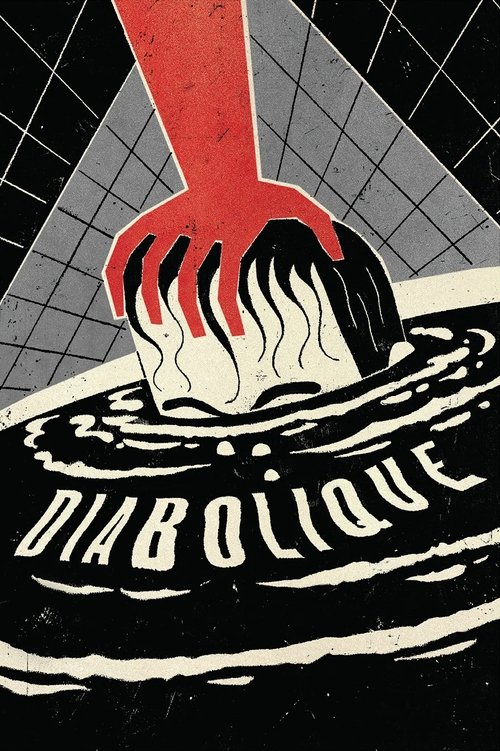
Diabolique 1955
Clouzot builds terror out of a shabby boarding school, a swimming pool and paperwork. Two women plan flawlessly and are then hunted by their own precision, which makes this the template for every twist that punishes attentive viewers.

Rosemary's Baby 1968
Polanski keeps the camera at Rosemary's shoulder and keeps the conspiracy deniable: helpful neighbours, a respected obstetrician, an ambitious husband. The horror is that every one of them is plausible and nobody believes her.

Peeping Tom 1960
Powell gives the killer the camera and makes the audience an accomplice, which cost him a decade of career. Mark's murders are a research project, shot for playback, frame by frame.

Cure 1997
Kurosawa's detective chases a hypnotist who plants no plan, only permission. Suspense inverts: the question stops being who kills and becomes why the answer refuses to hold still in anyone's head.

Repulsion 1965
A South Kensington flat expands around Catherine Deneuve until the walls put out hands. Where Rosemary's Baby withholds a conspiracy, this one withholds the trauma and gives you only its architecture.

The Night of the Hunter 1955
Laughton directed once and produced a nightmare drawn in expressionist chalk. Mitchum's preacher turns pursuit into a hymn, and the children's river flight makes fear sound like a lullaby.

Zodiac 2007
Fincher films a case that never closes and swaps resolution for obsession. The scares are administrative: handwriting, basements, newspaper deadlines, and a killer who is mostly an absence in the room.
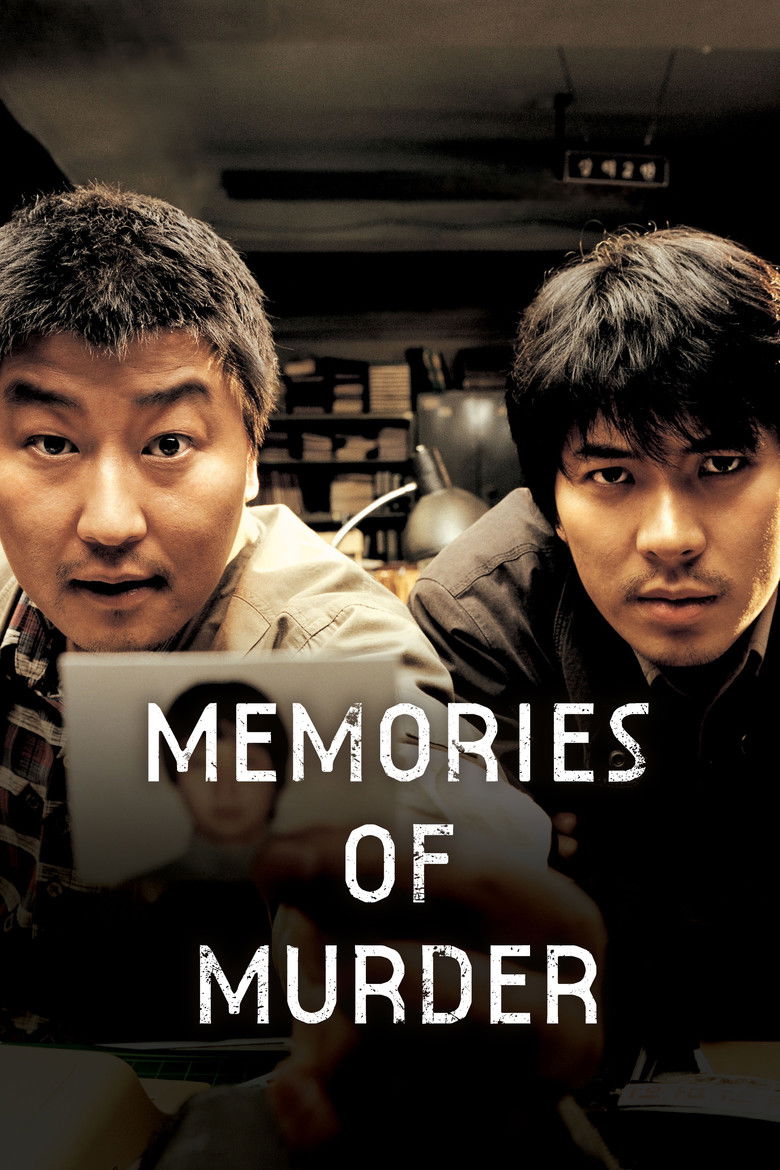
Memories of Murder 2003
Bong turns Korea's real unsolved killings into a study of incompetent policing under dictatorship. Every interrogation plays as comedy until it stops, and the last look at the lens puts the audience on the file.
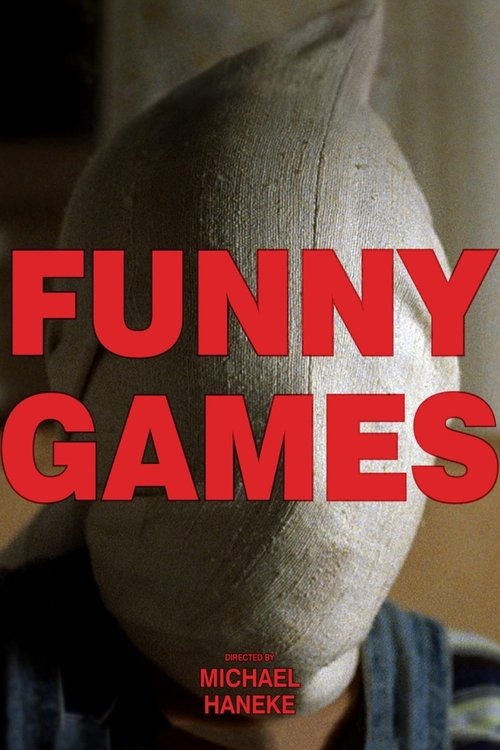
Funny Games 1997
Haneke stages a home invasion as a lecture on why you bought a ticket. The remote-control gag remains the meanest formal joke in the genre: it takes the payoff away and hands you the bill.

The Vanishing 1988
Sluizer lets the abductor explain himself early, so the tension shifts entirely onto a man who cannot stop needing to know. Curiosity is the murder weapon here, not violence.

Misery 1990
Two rooms and a typewriter, and Kathy Bates making fandom into carceral labour. The suspense is craft-based: Paul writes to stay alive, so the pages themselves become the weapon.

The Wailing 2016
Na keeps swapping which figure is the shaman and which is the parasite, so detective work turns into a theological guess. Two and a half hours of withheld information, and the answer lands too late to use.
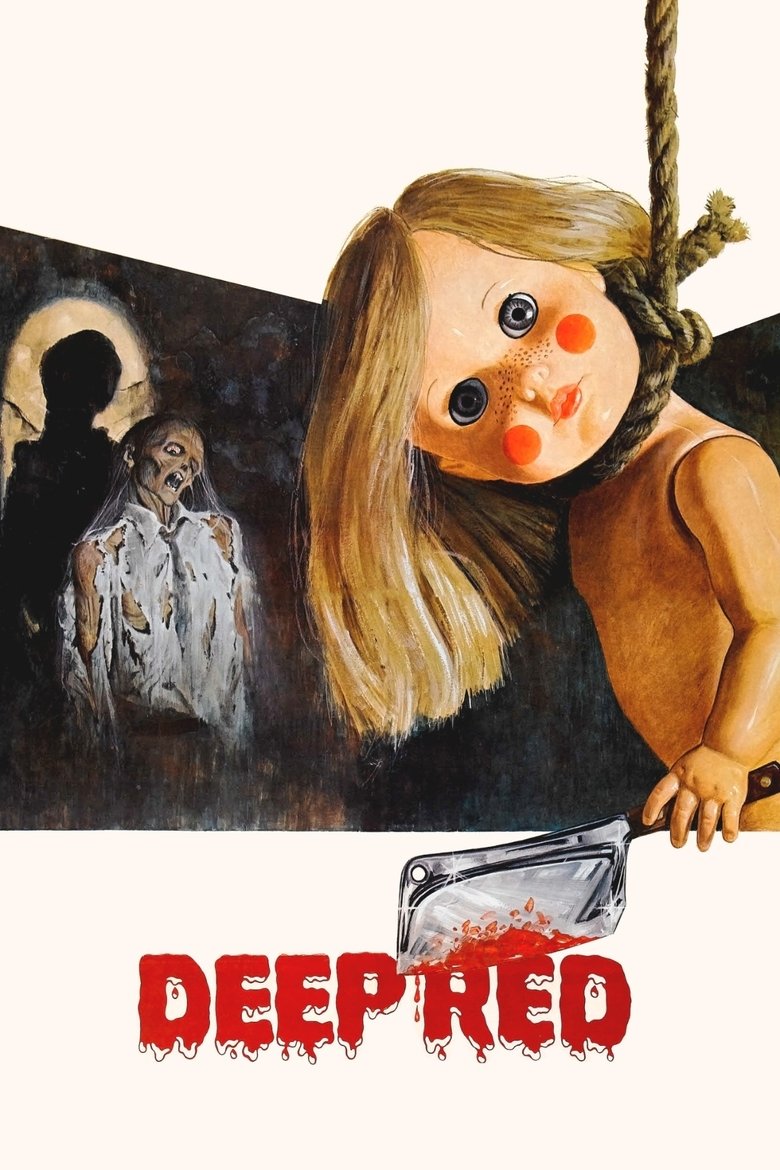
Deep Red 1975
A witness cannot remember a painting that was actually a face. Argento builds the whole giallo as a memory-retrieval procedure scored by Goblin, with the murders arriving as interruptions.

Blow Out 1981
De Palma makes sound editing into detective work: Travolta's technician holds an assassination on tape and nobody wants it. A conspiracy thriller that ends by recycling grief into a scream cue.

Halloween 1978
Carpenter bets on sightlines rather than gore. Loomis delivers a diagnosis while the camera keeps a whole block under surveillance, and the tension comes out of a hedge and a slow walk.
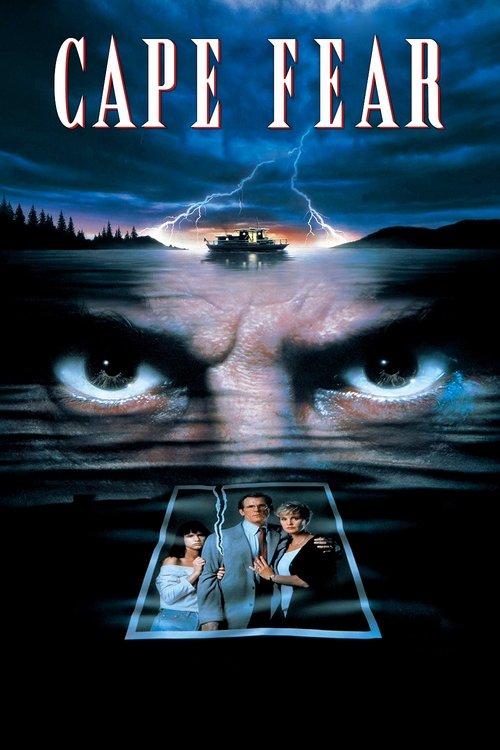
Cape Fear 1991
Scorsese takes the 1962 thriller and lets De Niro's Cady become an actual demon, tattooed with scripture. What makes the siege unbearable is the Bowden family's own rot, not Cady's ingenuity.
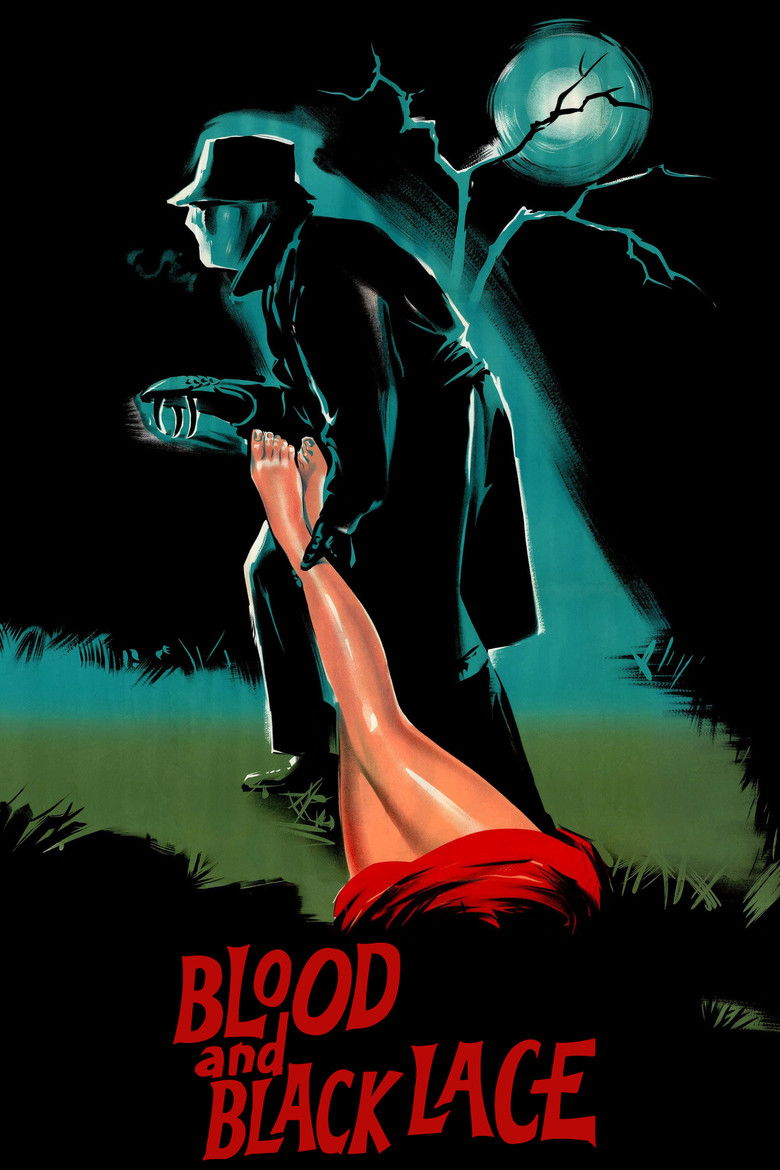
Blood and Black Lace 1964
Bava invented the entire grammar: masked killer, gloved hands, a fashion house as crime scene, all of it in candy colour. Where Argento uses the mystery, Bava treats it as a formality and lets staging carry the argument.

Henry: Portrait of a Serial Killer 1986
McNaughton refuses the procedural apparatus entirely: no investigator, no pattern, just a man and a camcorder in Chicago. The home-invasion tape watched on replay is still the coldest scene in the canon.

Manhunter 1986
Mann's Will Graham solves crimes by adopting the killer's point of view and then cannot log out again. Lecter's first screen appearance, and the film the top of this list quietly borrows from.

Jacob's Ladder 1990
Lyne runs a paranoid conspiracy thriller whose withheld information turns out to be theological. Every hospital corridor works as a checkpoint, and the reveal reframes fear as mercy.

I Saw the Devil 2010
Kim strips revenge down to a loop of capture and release until the agent and the killer are just two equivalent methods. A thriller built to prove that winning is useless.