
Best Horror Comedy Movies
Horror and comedy are the same machine: setup, tension, release. The horror comedy just lets you choose whether the release is a scream or a laugh, and the best ones refuse to choose at all.
From Bruce Campbell fighting his own hand to zombie romances and vampire flatmates, this list crosses the canon of films that earn both reactions honestly.
Watch these free right now


The hardest genre to get right
Comedy undercuts dread and dread smothers comedy, which is why the successes are so beloved: Evil Dead II turns slapstick into terror and back within single shots, Shaun of the Dead hides a real zombie tragedy inside a hangout comedy, and What We Do in the Shadows mines centuries of vampire lore for flatmate disputes.
The tradition runs deeper than the classics: Abbott and Costello were doing it in 1948, and every generation since has found its own mix of blood and punchlines.
The films on this list
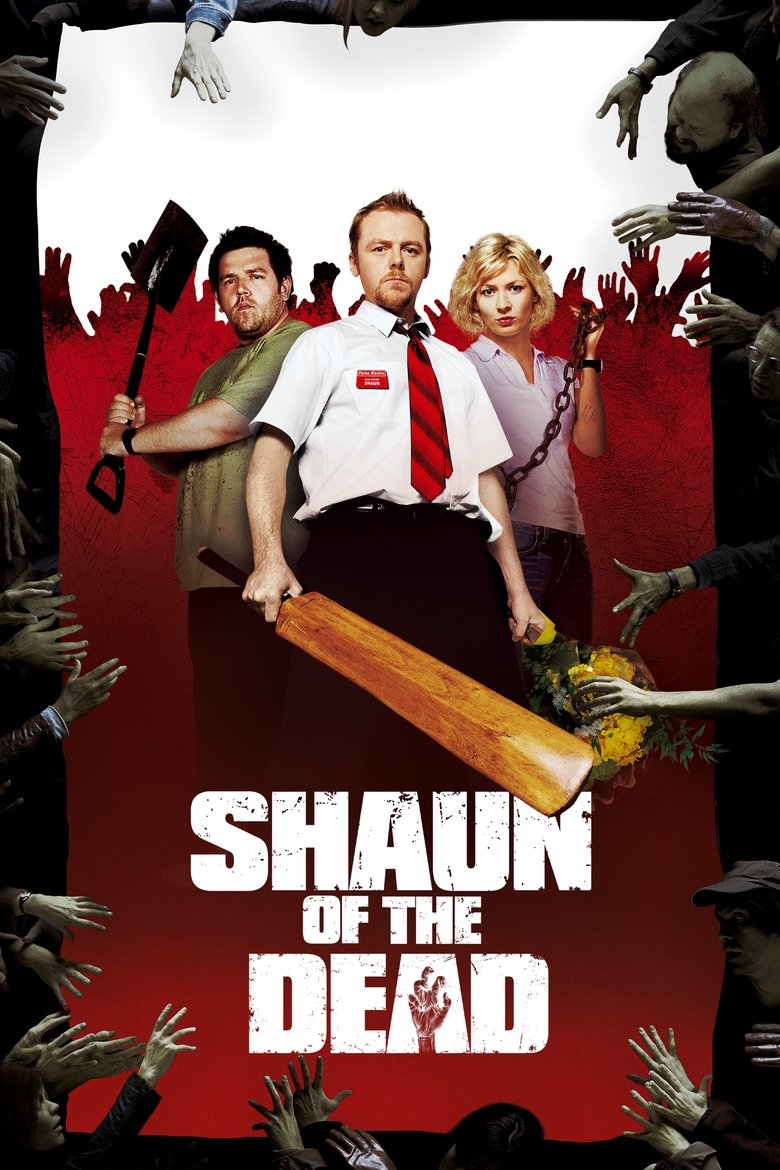
Shaun of the Dead 2004
Edgar Wright's joke is that the apocalypse barely disrupts a man who was already sleepwalking through his own life. Then the grief lands, and the film never lets you off with the laugh.

Evil Dead II 1987
Raimi runs Chaplin and Fulci through the same camera, and Bruce Campbell brawling with his own severed hand is the thesis. The slapstick still draws blood, which is why it works.
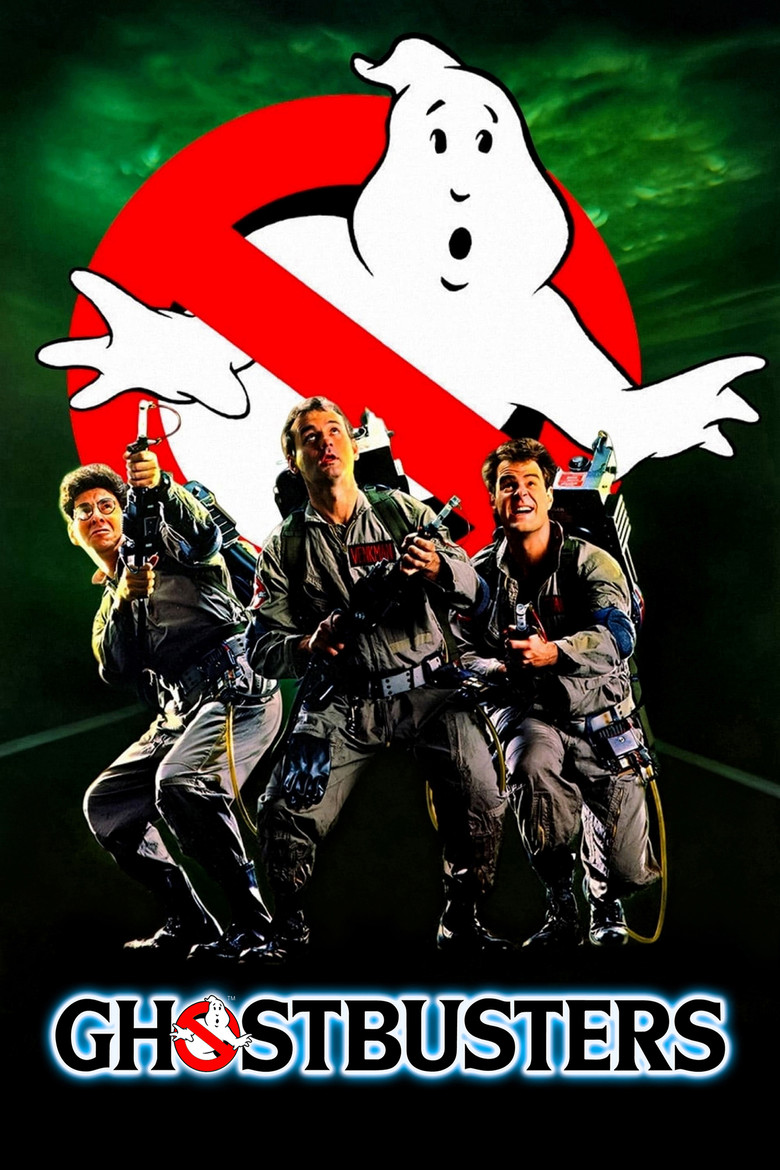
Ghostbusters 1984
The trick is that nobody plays it big: Murray drawls through a class-five apparition like it is a bad sales call. Deadpan municipal paperwork against Sumerian gods, and the paperwork wins.

What We Do in the Shadows 2014
Centuries of vampire mythology reduced to a chore wheel and a passive-aggressive flat meeting. The lore is exact, and the exactness is precisely what makes the pettiness funny.

Gremlins 1984
Dante smuggles a genuinely nasty creature feature inside a Spielberg Christmas package, then lets the puppets vandalize both. The kitchen fight is a cartoon; the Santa monologue is not.
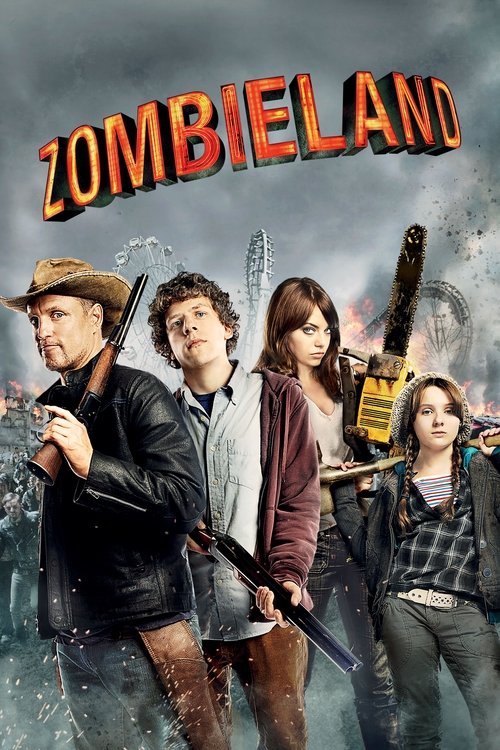
Zombieland 2009
Rules as running gag: the on-screen survival guide turns undead attrition into stand-up structure. Harrelson's Twinkie quest is the whole tone, grief managed by snack food.

An American Werewolf in London 1981
Landis cuts from pub banter to Rick Baker's transformation without a seam, and both hit harder for it. The dead best friend keeps decaying and keeps making jokes, polite to the end.

Re-Animator 1985
Jeffrey Combs plays Herbert West as a lab-coated sociopath with a grant deadline, and the comedy is entirely his refusal to be embarrassed. Lovecraft has never been this wet.

Army of Darkness 1992
The trilogy's last move is to ditch horror for Harryhausen: Ash as a hardware-store Connecticut Yankee shouting one-liners at skeletons. Pure swagger, and entirely aware of it.
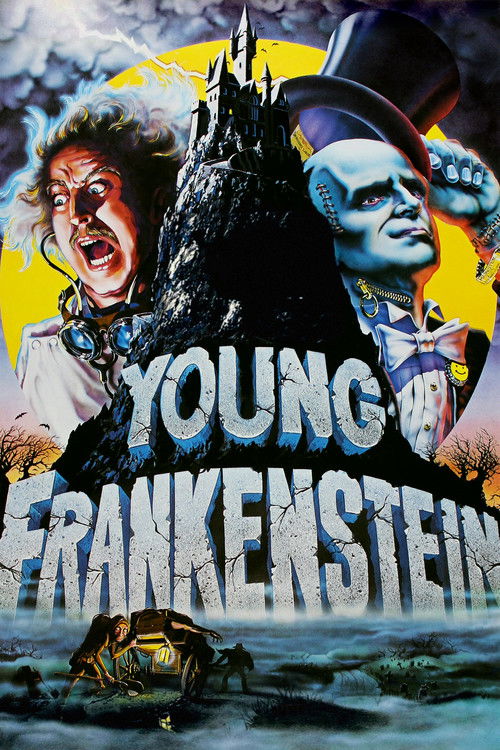
Young Frankenstein 1974
Brooks shot in black and white using Universal's actual 1931 laboratory equipment, and the parody works because the craft is reverent. The gags are dumb; the framing never is.

The Frighteners 1996
Jackson's last splatter-adjacent film before Middle-earth, with Michael J. Fox running a con on a town he haunts himself. The swerve from farce into serial-killer horror is abrupt on purpose.

Tucker and Dale vs. Evil 2010
One good joke executed perfectly: the hillbilly slasher rewritten from the hillbillies' side, with college kids killing themselves through sheer prejudice. The wood chipper is just doing its job.

Tremors 1990
A creature feature built on competence: Bacon and Ward solve the graboids like a plumbing problem, and the comedy comes from working people out-thinking a monster. No irony anywhere.

Beetlejuice 1988
Burton makes the afterlife a complaints office with worse paperwork than the living world, then hands the picture to Keaton for barely seventeen minutes. Those minutes rewired the decade.
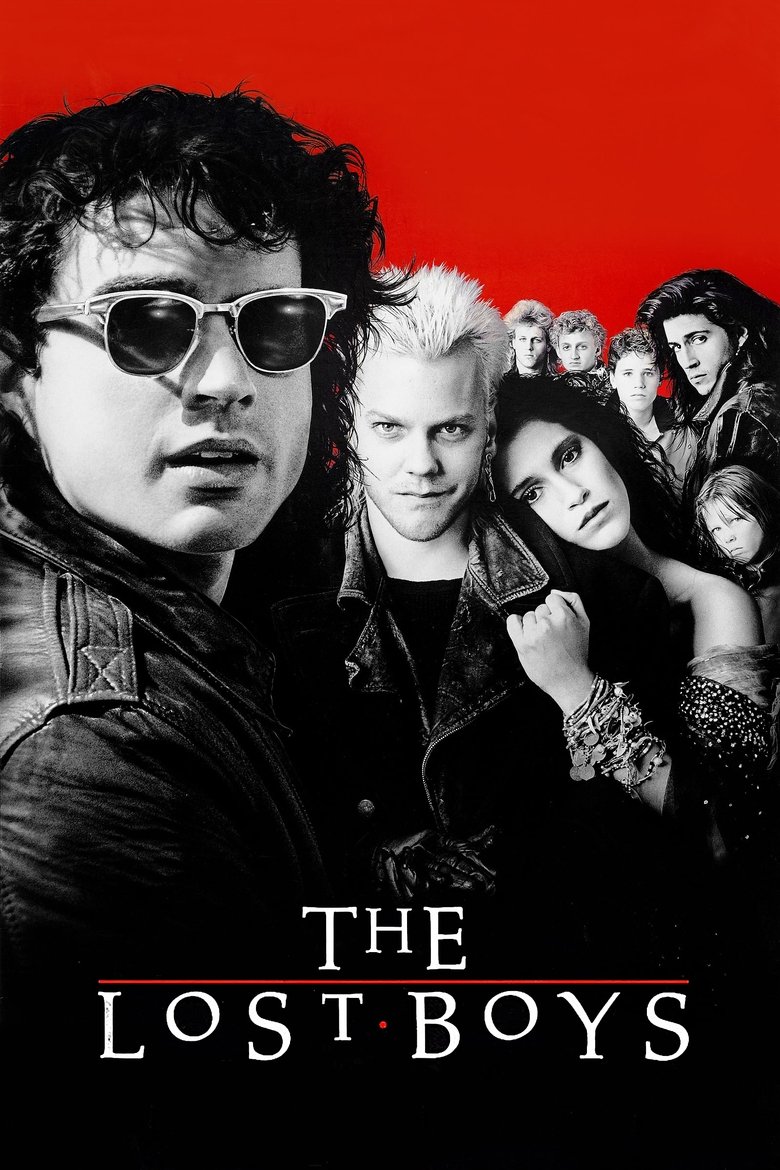
The Lost Boys 1987
Vampirism as a boardwalk teen scene, oiled saxophonist included; Schumacher takes the posing as seriously as the horror. The Frog brothers are the comedy's load-bearing wall.

Fright Night 1985
The gag is that the boy who cried vampire is right and nobody has the time. Roddy McDowall's washed-up horror host finding real fangs is the genre apologizing to itself.

The Return of the Living Dead 1985
O'Bannon's zombies talk, negotiate and ask for brains, which broke the Romero rulebook and handed the punks their movie. The tone jokes throughout; the ending forgives nothing.

Rubber 2010
Dupieux opens with a lecture on why films need no reason, then spends ninety minutes letting a tyre kill people telepathically. The joke is aimed at the audience, who are also on screen.
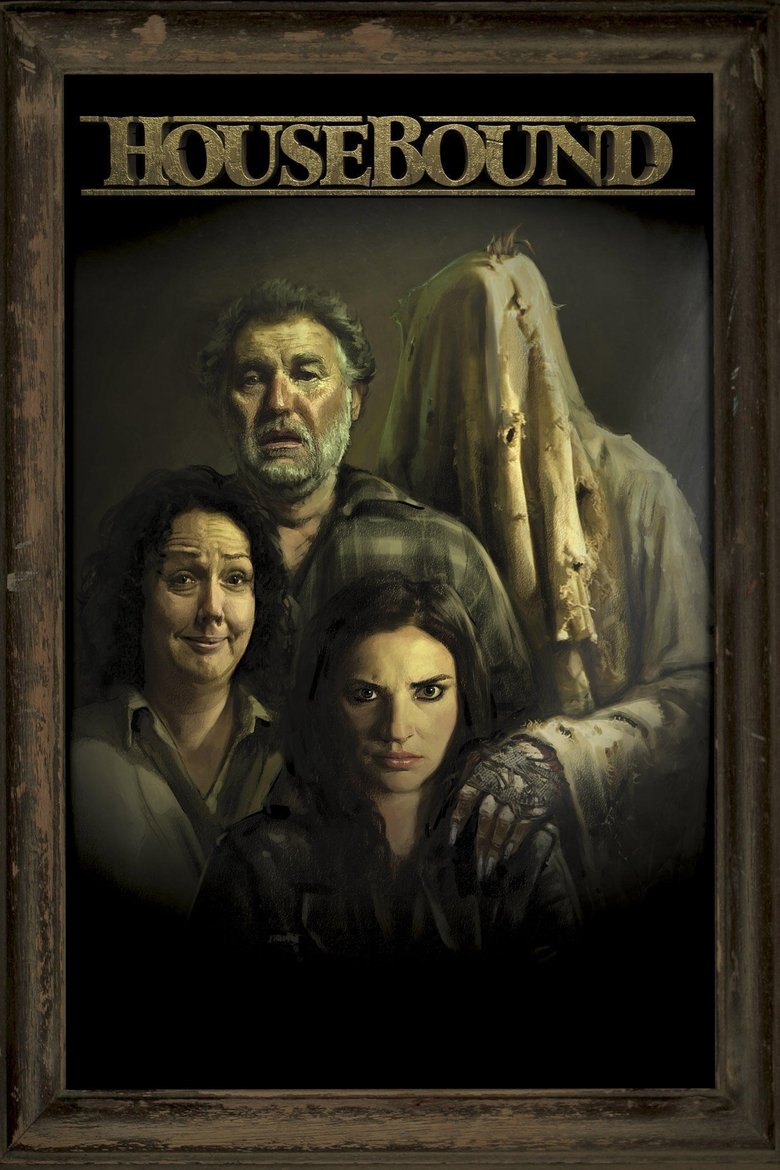
Housebound 2014
House arrest as haunted-house premise: a delinquent stuck with her mother and an ankle monitor, both equally unbearable. Johnstone's timing is procedural, so the violence arrives sideways.

Little Shop of Horrors 1986
Frank Oz builds a Motown musical around a puppet that demands blood, then gives the best number to a sadist dentist. Corman's two-day cheapie became a Broadway machine.

Trick 'r Treat 2007
Dougherty interlocks his stories until Halloween itself becomes the enforcer: break the rules, get collected. The pleasure is watching each punchline arrive dressed as a moral.

Bubba Ho-tep 2002
Elvis and JFK, both aged and institutionalized, take on a soul-sucking mummy in an East Texas nursing home. Coscarelli refuses the wink and gets a real film about dying out of it.
Arachnophobia 1990
Marshall shoots a small-town procedural and saves real spiders for the flinch. The studio sold it as a thrill-omedy, which admits how nervous it was about the laughing.

Slither 2006
James Gunn's debut runs Cronenberg body horror through small-town gossip, with Michael Rooker as the most sympathetic slug monster in cinema. Generous gore, cruel dialogue.

