
Best Grindhouse Movies
Grindhouse was never one genre: it was a place, the all-night 42nd Street double bill where blaxploitation, kung fu, carsploitation and Italian gore fought for the same marquee. This list crosses the Grindhouse Cinema Database, director top-20s, critic rankings and fan lists to rebuild that marquee.
Expect Pam Grier settling scores, Shaw Brothers steel, muscle cars weaponized on desert highways and Italian gore dripping off the marquee: the full all-night program, rebuilt double bill by double bill.
Watch these free right now


A place, not a genre
Grindhouse means the all-night theatres of 42nd Street and their double bills, where the program mattered more than any single film. Blaxploitation shared the marquee with kung fu imports, Italian gore, carsploitation and revenge pictures, and the audience talked back to all of them. The word survives as shorthand for cinema with the safety off.
The program, rebuilt
This list reconstructs that marquee from specialist databases, director favourites and fan rankings: the films that actually played the circuit, plus the neo-grindhouse tributes that kept the spirit alive after the theatres closed. Consensus picks lead the page.
The films on this list

Coffy 1973
Pam Grier weaponizes vengeance as a nurse posing her way through pushers and pimps, launching the blaxploitation avenger archetype in one furious turn. Jack Hill gives her the marquee she deserved.
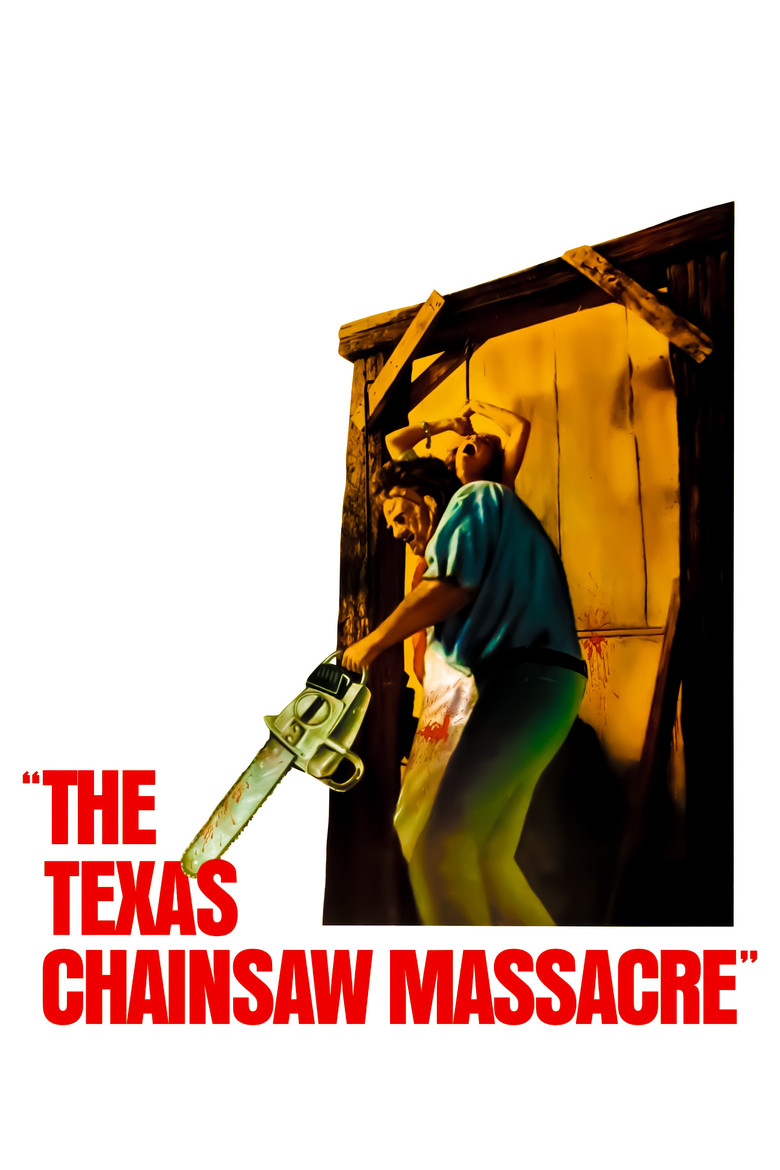
The Texas Chain Saw Massacre 1974
Hooper's sun-baked slaughterhouse nightmare played the grindhouse circuit like a documentary of hell, all heat, bone and industrial noise. Few films have ever felt this genuinely unsafe.

Cannibal Holocaust 1980
Deodato's found-footage atrocity was so convincing it landed him in court, and its assault on the audience's appetite for spectacle still cuts. A defining piece of Italian extremity.

Five Fingers of Death 1972
The Shaw Brothers hit that detonated the Western kung fu craze, its iron-palm hero and red-tinted rage tailor-made for the 42nd Street marquee. Steel and vengeance at full volume.

The Last House on the Left 1972
Craven's raw revenge shocker turned a rape-and-payback plot into a grim comment on violence itself, and audiences did not know whether to cheer or flee. Cheap, brutal and impossible to shake.

Master of the Flying Guillotine 1976
A blind assassin, a spinning decapitation device and a wall-to-wall tournament of styles make this one of the genre's purest delirium machines. Jimmy Wang Yu builds a comic-book world out of pure momentum.
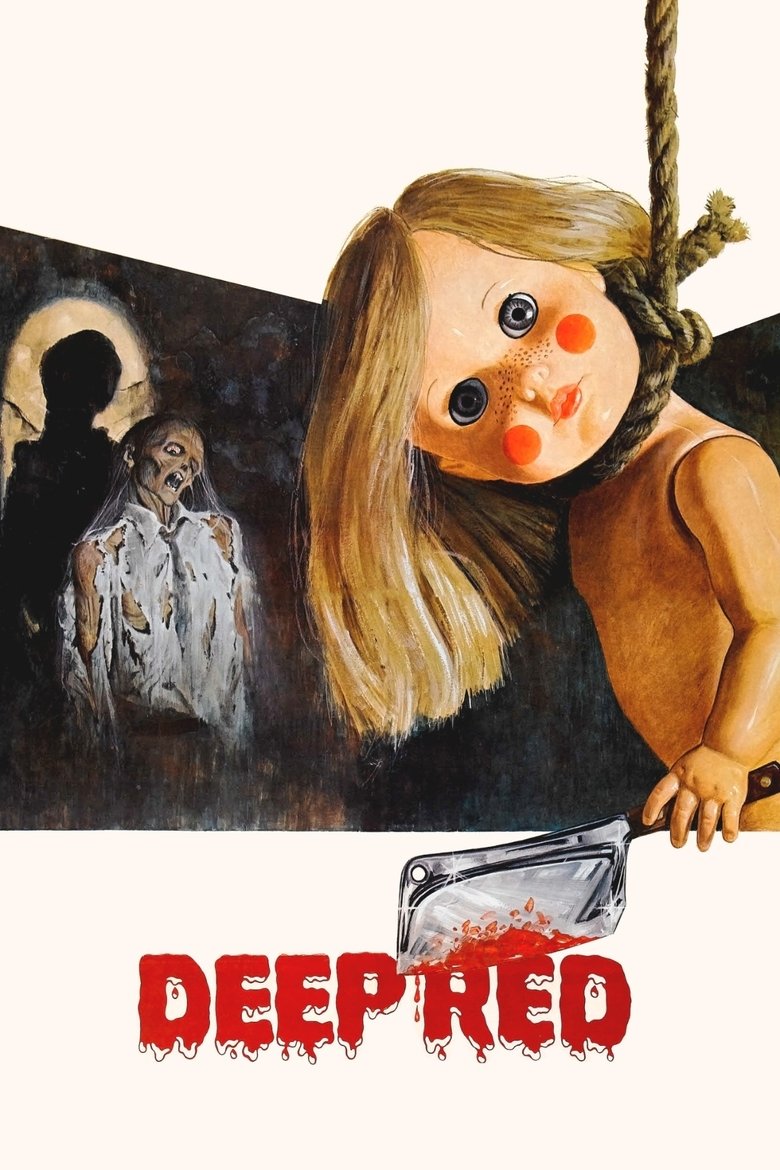
Deep Red 1975
Argento at full command, where Goblin's score and weaponized decor make perception itself dangerous. The mystery matters less than learning to distrust your own eyes.

Death Race 2000 1975
Corman's cross-country carnage satire scores points for running down pedestrians, with a young Stallone and David Carradine leading the demolition. Carsploitation as gleeful political cartoon.

The Psychic 1977
Fulci trades gore for clockwork dread in a premonition thriller built around a walled-up corpse and a vision glimpsed too early. Proof his precision could match his savagery.

Hobo with a Shotgun 2011
Rutger Hauer cleans up a rotten city one shell at a time in the fullest realization of the neo-grindhouse revival. It keeps the exploitation spirit alive with genuine grease, not just nostalgia.

Machete 2010
Rodriguez expands his fake trailer into a Mexploitation revenge riot, with Danny Trejo's blade-first antihero finally headlining. A knowing tribute that still delivers the real carnage.

Night of the Living Dead 1968
Romero's zero-budget siege invented the modern zombie and smuggled in a bleak verdict on race and social collapse. A drive-in and grindhouse staple that became universal by accident.

Black Caesar 1973
Fred Williamson climbs Harlem's rackets in Larry Cohen's fierce gangster picture, scored by James Brown. Blaxploitation as street-level tragedy with the safety off.

Blacula 1972
An African prince cursed by Dracula stalks 1970s Los Angeles, and William Marshall gives the role real tragic gravity. It turned a gimmick title into one of the era's most soulful monster movies.

Foxy Brown 1974
Grier again, this time going undercover to burn down a vice syndicate that killed her man. Jack Hill hands her the genre's most iconic one-woman war.

Black Belt Jones 1974
Jim Kelly kicks his way through mobsters trying to seize a Watts karate school, blending blaxploitation swagger with martial-arts speed. Pure double-bill energy.

Dolemite 1975
Rudy Ray Moore turns his rhyming stage persona into a gloriously ramshackle kung fu pimp saga, all attitude over polish. Its rough edges are exactly why it endures.

Race with the Devil 1975
Peter Fonda and Warren Oates flee a Satanic cult across Texas highways in a vacation-gone-wrong chase picture. Carsploitation and occult panic welded into one lean ride.
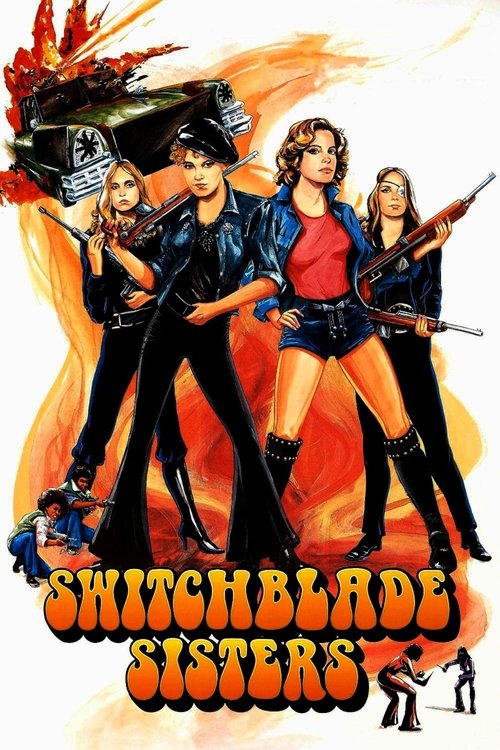
Switchblade Sisters 1975
Jack Hill's girl-gang melodrama plays like a switchblade version of high-school tragedy, loud, tough and weirdly operatic. Tarantino championed it for good reason.
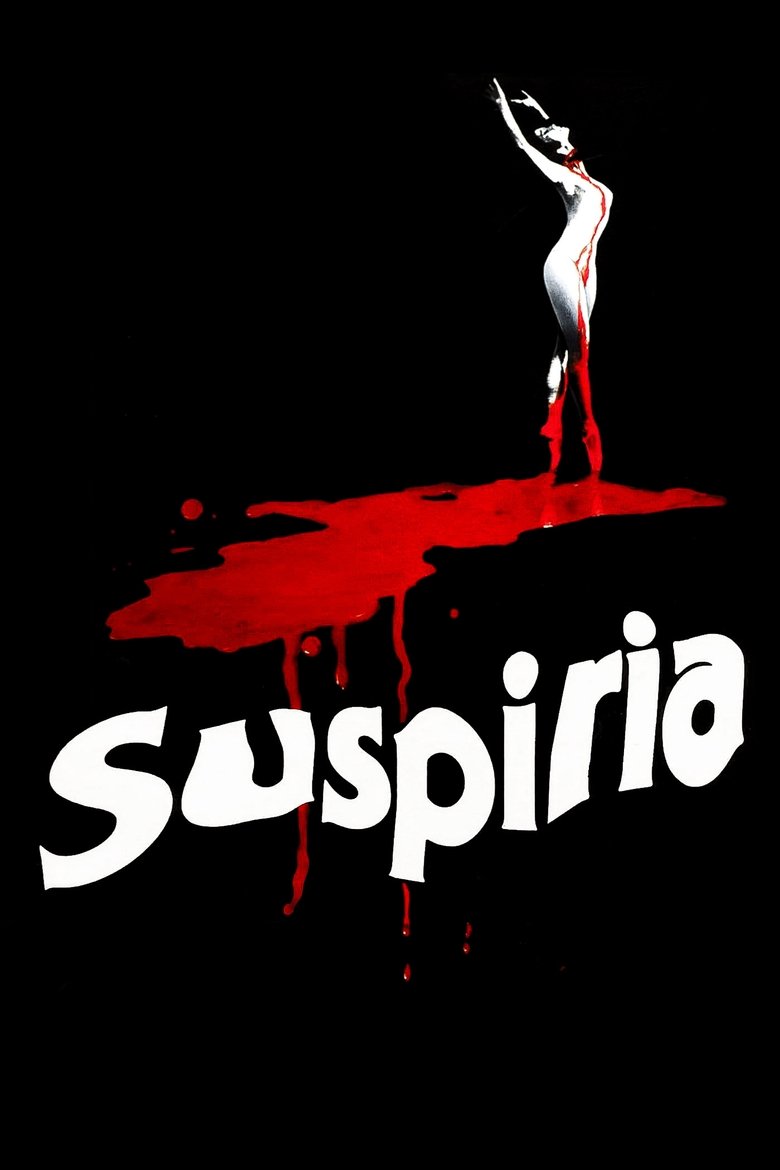
Suspiria 1977
Argento abandons logic for pure sensation in a witch-coven fever dream drenched in impossible color and Goblin's shriek. Horror as an assault on the senses, and a repertory-house legend.