The 25 Best Gothic Horror Movies
Gothic horror is two hundred years old and it has always been about property. An estate, a bloodline, a debt someone incurred before you were born and left in the walls. The architecture is the psychology: corridors that repeat, cellars nobody inventories, a locked wing standing in for whatever the family will not say.
That is the through line from Walpole to Allerdale Hall, and it is why the subgenre keeps getting revived instead of replaced. Universal made it a monster business, Hammer added colour, blood and class contempt, Corman reduced Poe to Price's face, the Italians made it erotic. The desire is always repressed and it always wins.
How we built this list
The ranking weighs critical standing and influence, and it treats the gothic as a tradition with periods rather than as a general mood. Universal's monster cycle, Hammer's colour revival, Corman's Poe films, the Italian, Spanish and French strains, and the modern revivals all sit here together, because a list that stopped in 1965 would be a museum.
Several entries adapt the same two novels, and that is the point. Each Dracula and each Frankenstein is an argument about what the book was for, so we ranked them on what they do differently rather than on fidelity to the page.
The boundary gets contested at the edges. A ghost story in an old house is not automatically gothic, and folk horror shares the countryside without sharing the ancestral estate. Southern gothic, the giallo and the cruel fairy tale all brush against this list. We kept anything where the past holds a legal claim on the present.
The films on this list

Bride of Frankenstein 1935
Whale returns with the camp turned up and the grief intact: a manufactured woman who refuses on sight, a monster who learns speech only to ask for a companion. Gothic as queer tragedy.

The Innocents 1961
Deborah Kerr's governess may be saving two children or destroying them, and Clayton's deep-focus CinemaScope refuses to say. Repression handed a house, a lake and two very polite children.

Nosferatu 1922
The unlicensed Dracula that outlived the lawsuit: Murnau takes the count into real Carpathian daylight and makes plague, not seduction, the subject. Schreck's rat-shape has no equal.

Frankenstein 1931
Ancestral guilt rewritten as scientific ambition, staged in expressionist sets and a tower that is really a chapel. Karloff plays creation as an infant with no vocabulary for pain.

Dracula 1958
Hammer's revolution: Eastmancolor blood, Van Helsing as a methodical working professional, and Lee playing the count as physical appetite rather than ceremony. Ninety minutes, no fat.
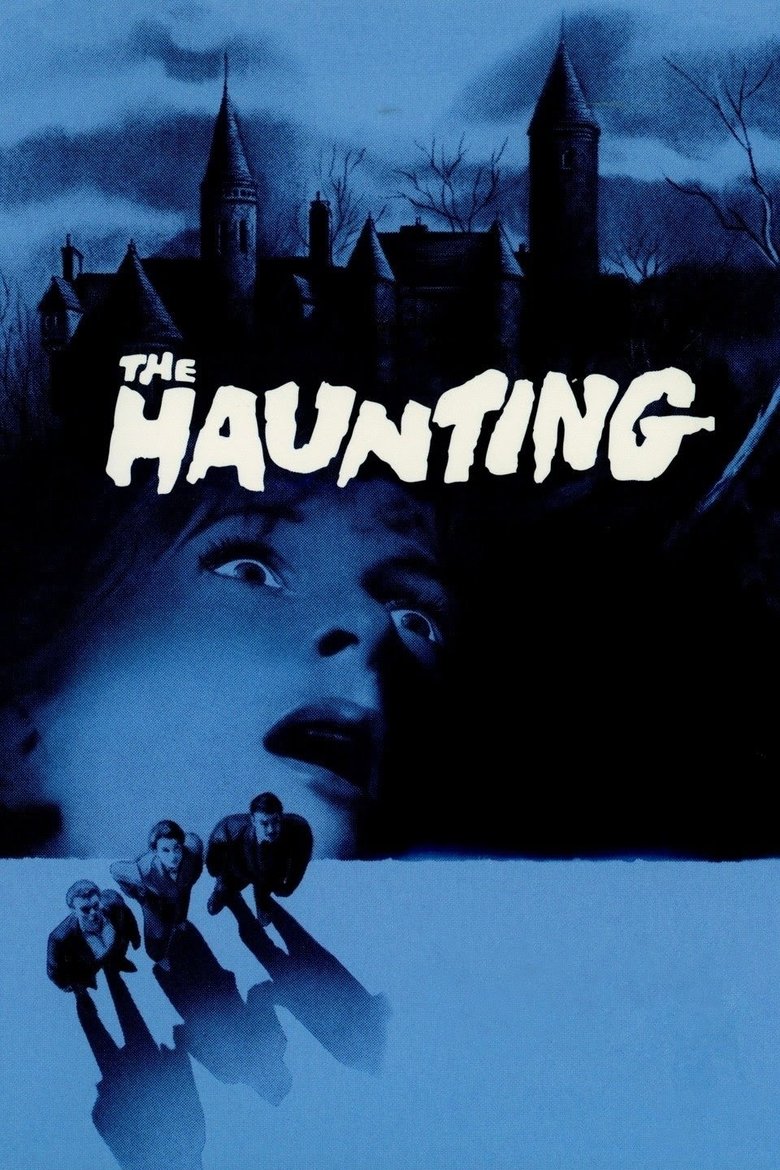
The Haunting 1963
Wise films Hill House as a hostile floor plan and never shows a thing: a bulging door, cold spots, a woman convinced she was chosen. The best argument that architecture can take a lead role.
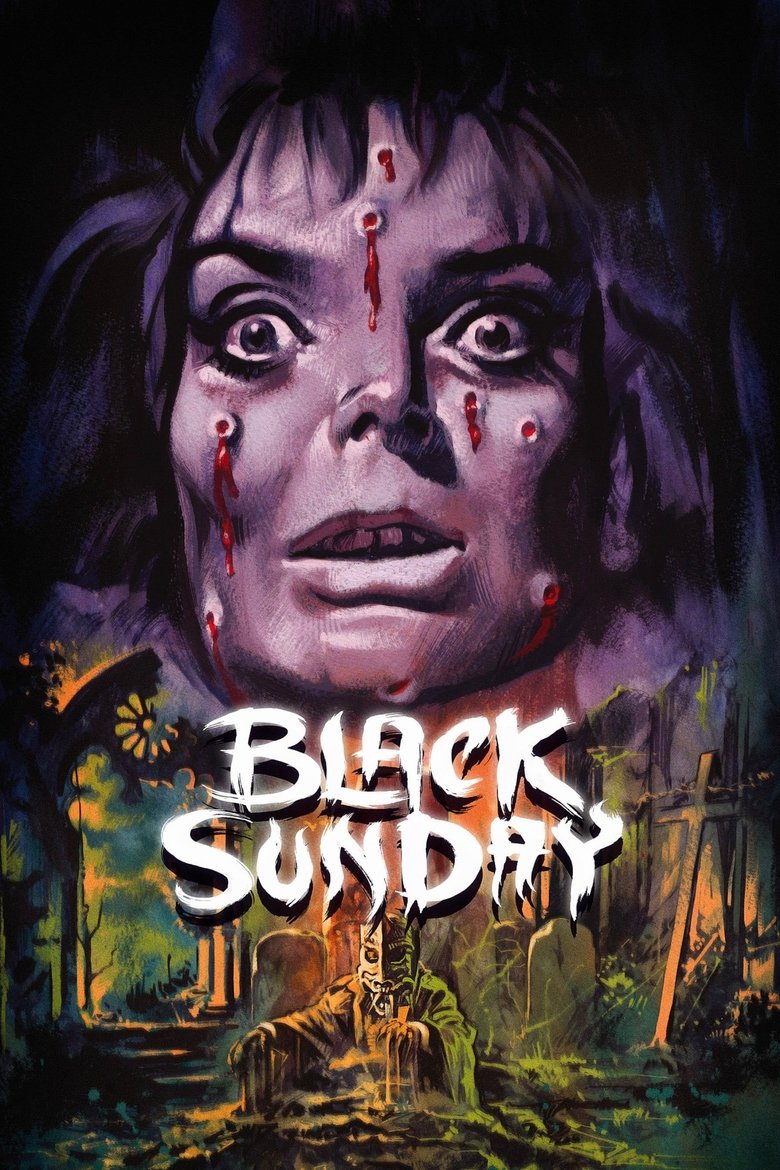
Black Sunday 1960
Bava's debut founds Italian gothic in one gesture: a spiked mask hammered onto Barbara Steele's face, then two centuries of family debt collected in monochrome. He lit every frame himself.

Eyes Without a Face 1960
Franju drains the gothic of candlelight and keeps only the surgery: a father harvesting faces in his clinic, filmed with the calm of his abattoir documentary. Cruelty in a lab coat.

Dracula 1931
Stagebound and slow, and still the film that fixed the count's accent, cape and hand gestures for a century. Lugosi does not act the part so much as sign it.
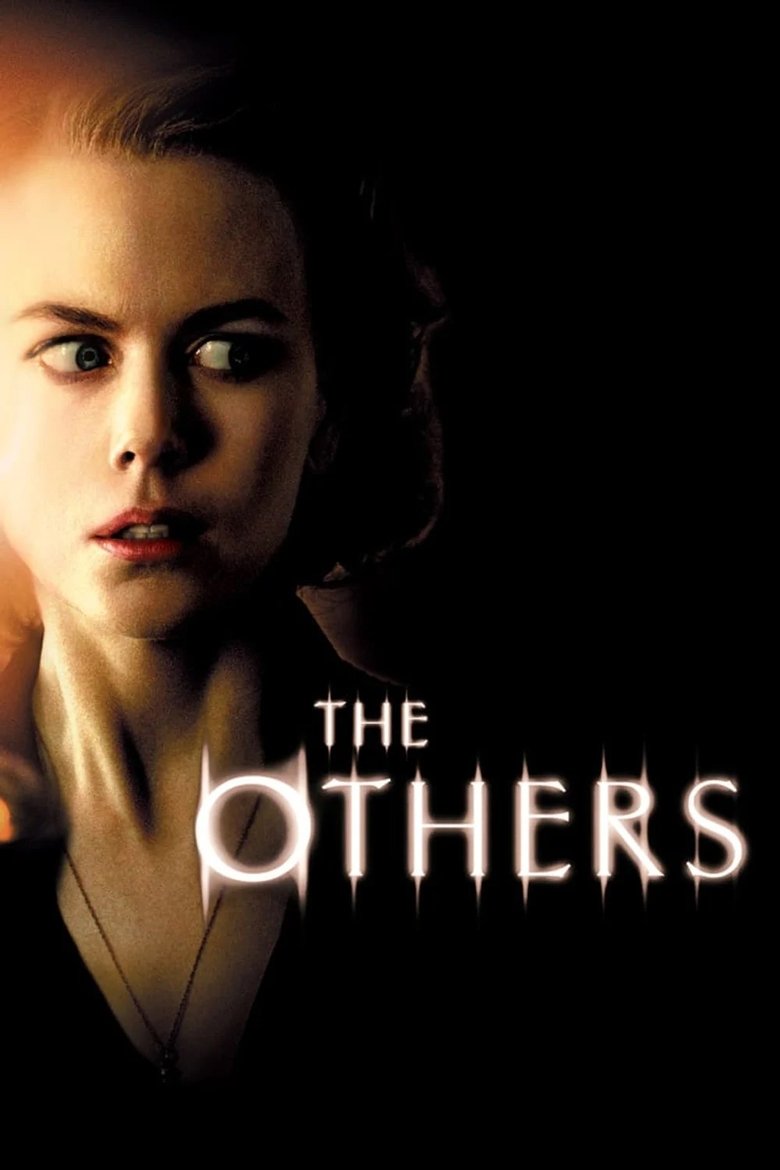
The Others 2001
Jersey fog, blackout curtains, a mother rationing light to her photosensitive children. Amenábar builds a Catholic gothic where the past will not stay buried because it never left the corridor.
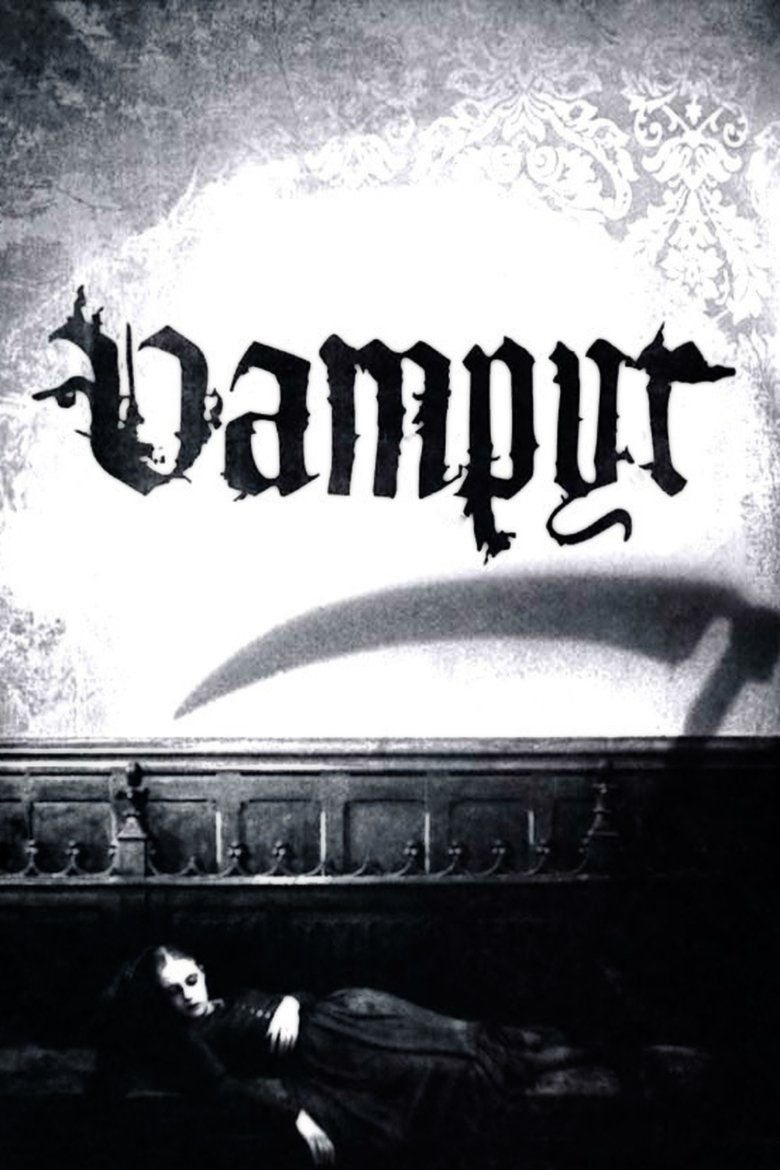
Vampyr 1932
Dreyer shot through gauze and got a film that behaves like a half-remembered dream: a journey seen from inside a coffin, a shadow working without its owner. Barely a plot, entirely gothic.

The Curse of Frankenstein 1957
Cushing's baron is the real monster: an aristocrat with a scalpel and no doubts. Hammer's first colour gothic makes the class contempt explicit and leaves Christopher Lee mute.

Nosferatu the Vampyre 1979
Herzog remakes Murnau as a plague procession: real rats in Delft, Kinski in genuine misery, Popol Vuh droning underneath. This count wants death rather than blood, and says so plainly.

Crimson Peak 2015
Del Toro insists it is a romance with ghosts in it, and Allerdale Hall proves him right: clay bleeding up through the floorboards, a roof left open to the snow. Gothic revival built at full scale.
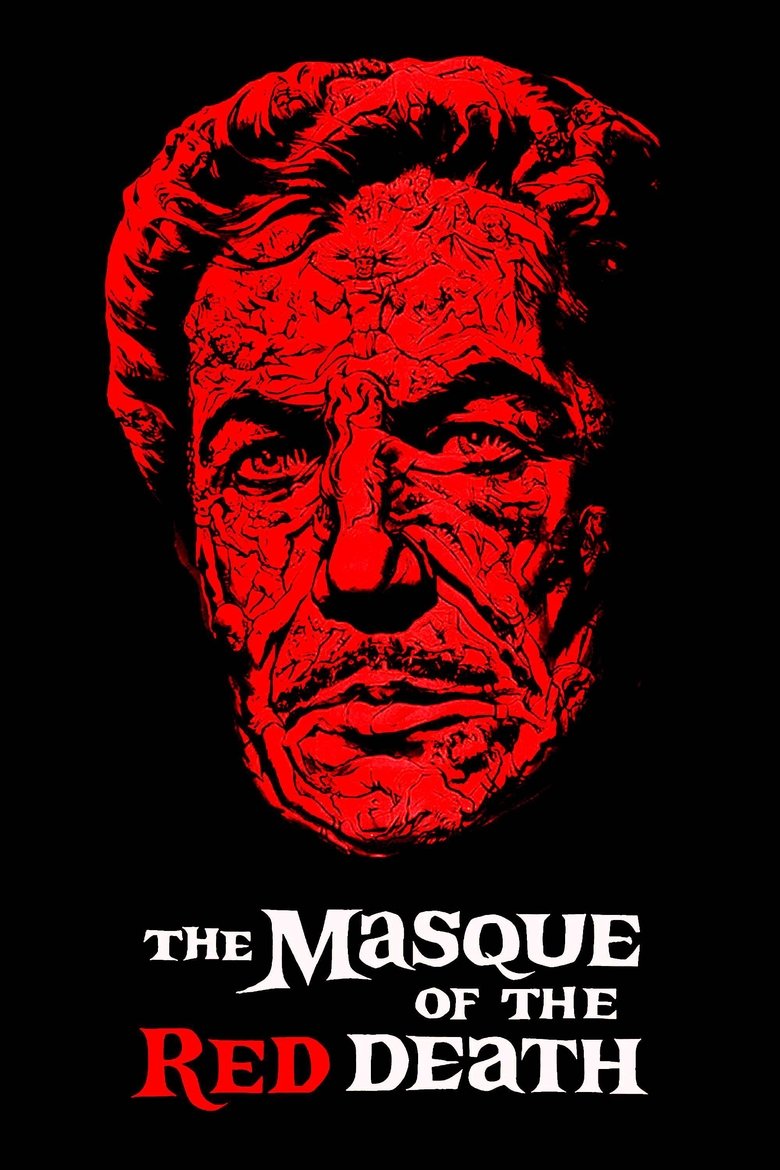
The Masque of the Red Death 1964
The peak of the Poe cycle: Price as a Satanist prince throwing a party inside a quarantine, shot by Nicolas Roeg in colour-coded rooms. Corman finally had the sets and the nerve.

House of Usher 1960
The film that launched the Poe cycle and Price's second career: a bloodline diagnosed as a house, cracks in the plaster standing in for the family nerves. Fifteen days, one set, total commitment.

The Pit and the Pendulum 1961
Corman keeps four pages of Poe and invents the rest, which is why the last reel is pure delirium: Price inherits his father's inquisition along with the basement. The blade is almost a punchline.
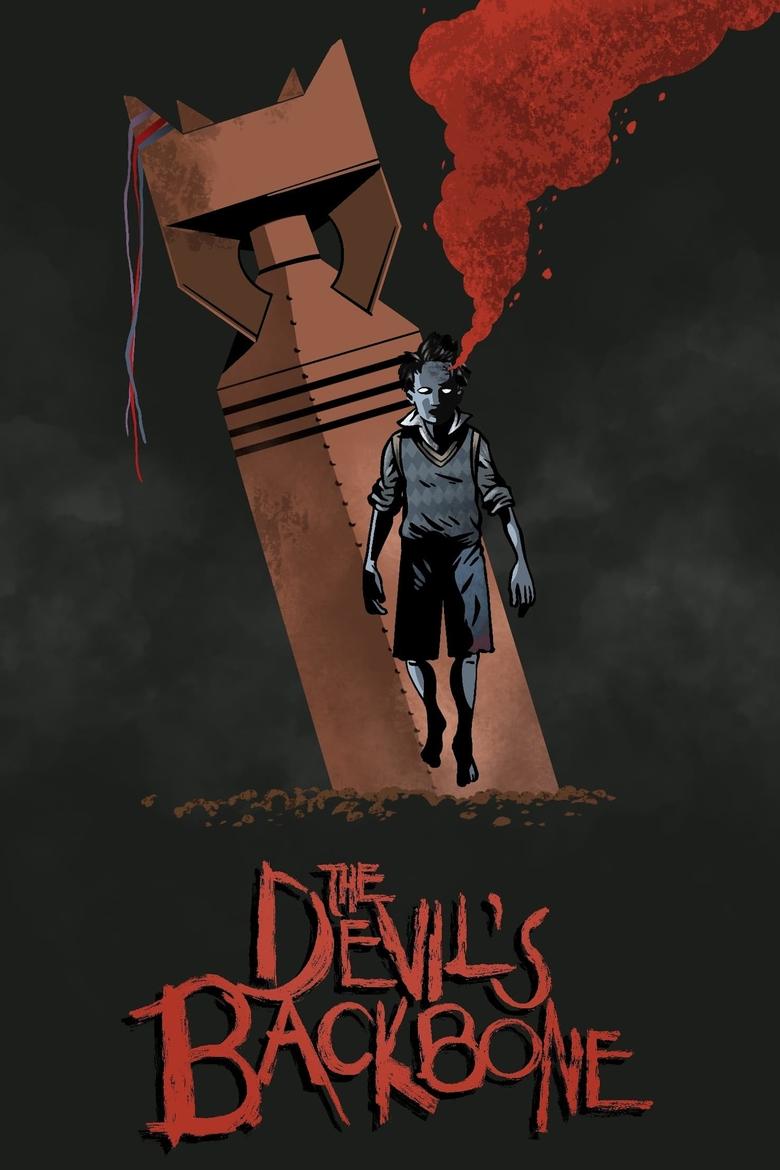
The Devil's Backbone 2001
A boarding school, an unexploded bomb in the courtyard, a boy drowned in the cistern: with del Toro it is the Spanish Civil War that refuses burial. Easily his most controlled film.

Bram Stoker's Dracula 1992
Coppola restores the novel's epistolary structure and its erotics, then shoots the whole thing with in-camera tricks from 1900. Maximalist, ridiculous in places, and expensive on purpose.

Kwaidan 1965
Four ghost stories built under painted studio skies, moving at the pace of an unrolling scroll. Nothing Western about it, but the same contract: the dead hold a claim and it will be honoured.
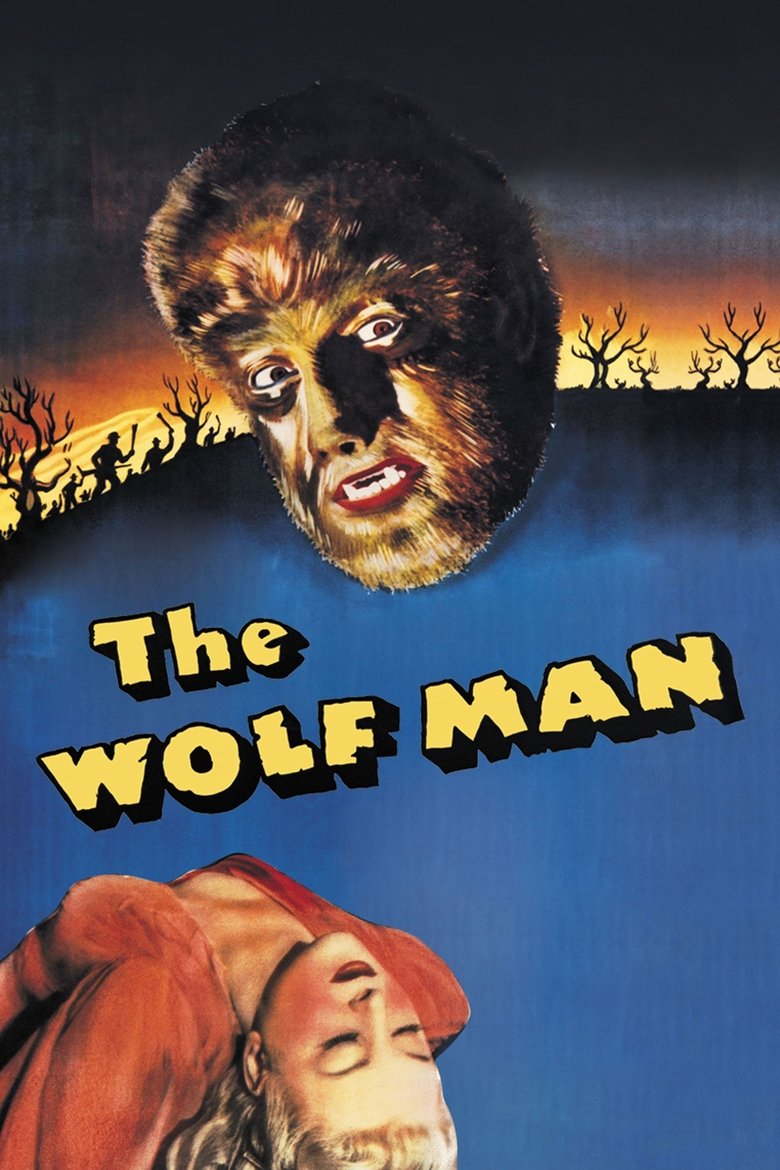
The Wolf Man 1941
Universal's most fatalistic monster: Chaney Jr as a man told his condition is hereditary, folkloric and terminal. Soundstage fog, and a father obliged to raise the cane.

The Old Dark House 1932
Whale ushers travellers into a Welsh house stuffed with Femm family secrets and plays it all as a black joke about English propriety. Karloff mute again, Laughton bellowing, Thesiger stealing everything.

The Uninvited 1944
The first haunting Hollywood took seriously: a clifftop house in Cornwall, two new owners, one ghost with a reputation in need of correction. The revelation is a scandal about motherhood, not a scare.
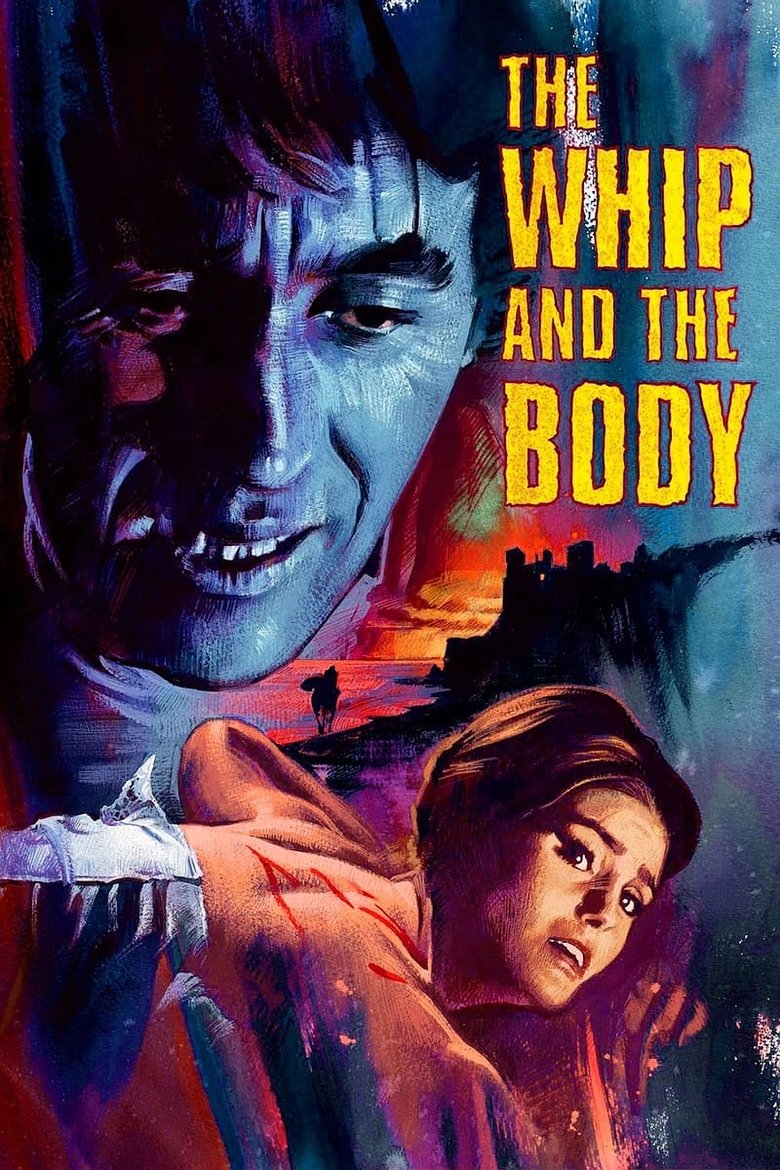
The Whip and the Body 1963
Bava makes sadomasochistic desire the ancestral curse itself: Lee returns to whip and to be wanted, and gel-coloured light does the psychology. Censors cut it everywhere, with reason.

Kill, Baby... Kill! 1966
A Carpathian village still paying interest on one dead child, made on a shoestring out of spiral staircases and a bouncing ball. Fellini borrowed from it, and he was not the only one.