
Best Giallo Films
Giallo is pulp turned baroque. Black gloves, misread clues, erotic panic, modern apartments, bad taste elevated by camera movement and color. The best giallo films are not just murder mysteries with fancier lighting. They are movies about damaged perception, where looking becomes a form of danger and style starts behaving like motive. I have leaned toward the titles that define the subgenre's grammar, with a couple that show how quickly that grammar expanded once Italy realized how much pleasure there was in making violence decorative and unstable. If a giallo feels too tidy, it has already lost something essential.
The best gialli matter less for who did it than for how they derange the act of looking. Bava invents the visual syntax, Argento pushes it toward delirium, and Fulci, Martino and Dallamano each contaminate it in their own direction. What they share is a conviction that the eye is already compromised before the first body falls.
The films on this list
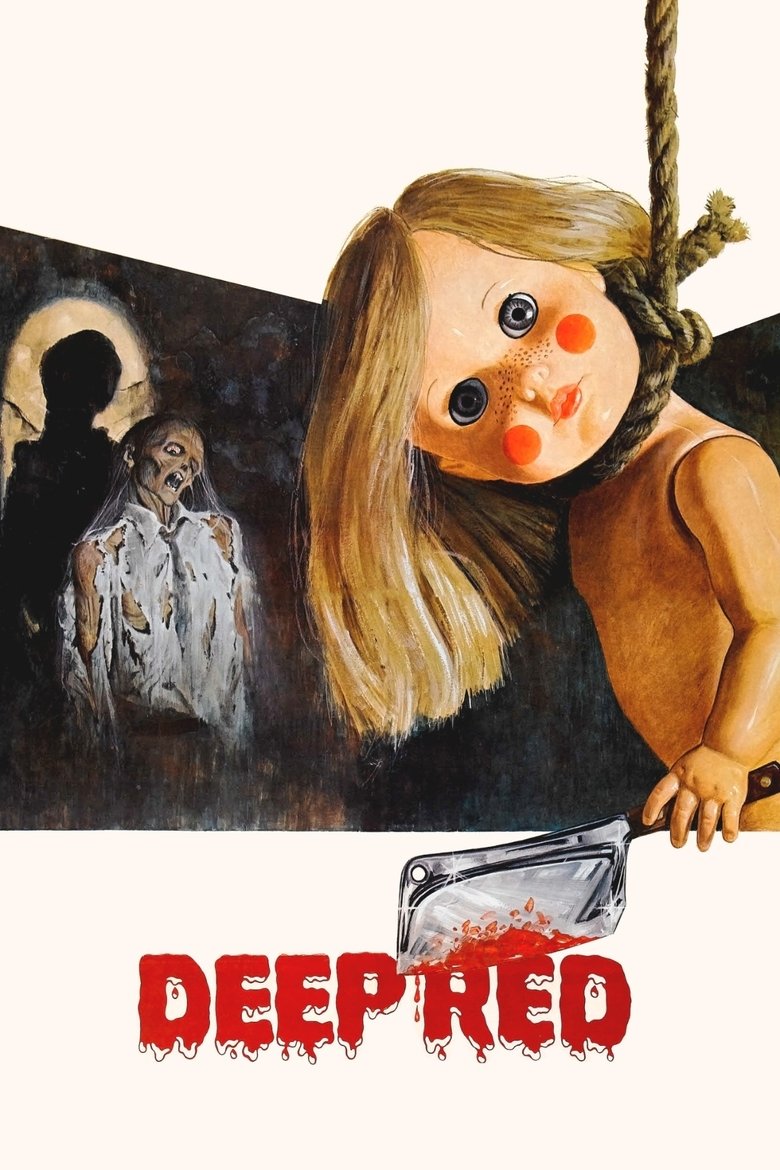
Deep Red 1975
Argento at full command, where the Goblin score and the weaponized decor make perception itself feel dangerous. The mystery matters less than the way the film teaches you to distrust your own eyes.
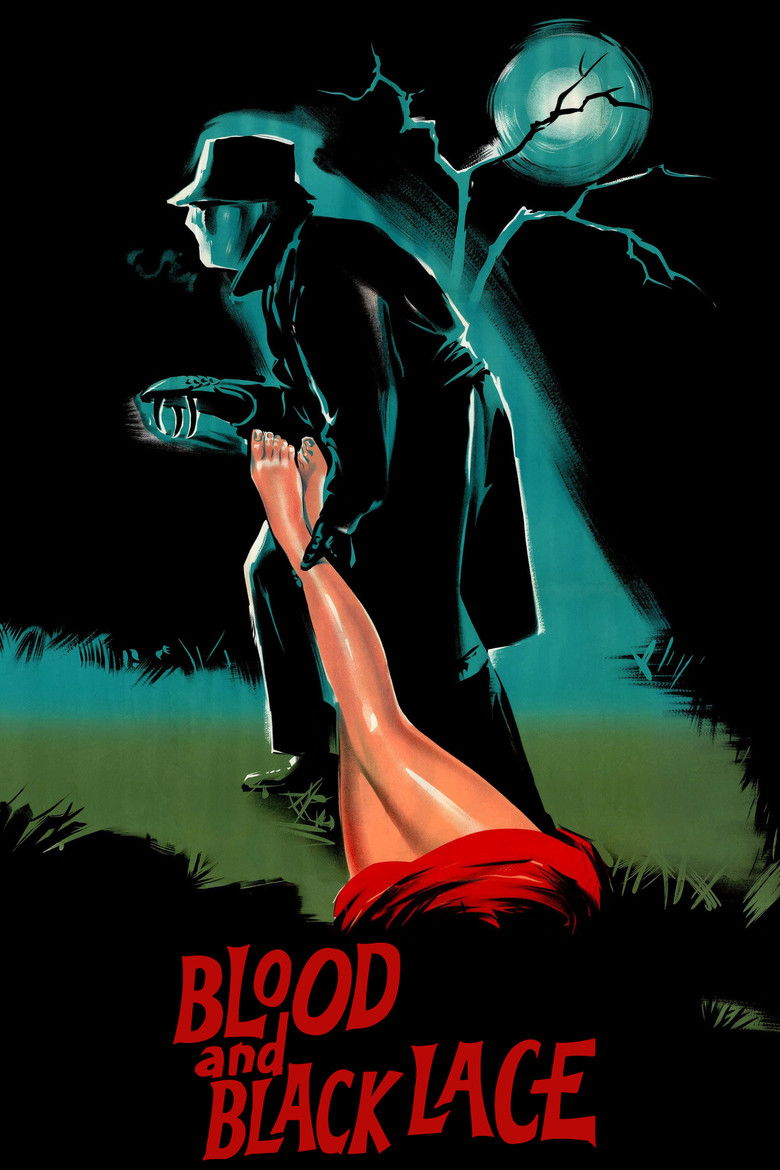
Blood and Black Lace 1964
Bava got there first, giving the form its fashion-house decadence and its fetish for surfaces. He films beauty as contamination, and the skeleton of every later giallo is already here.
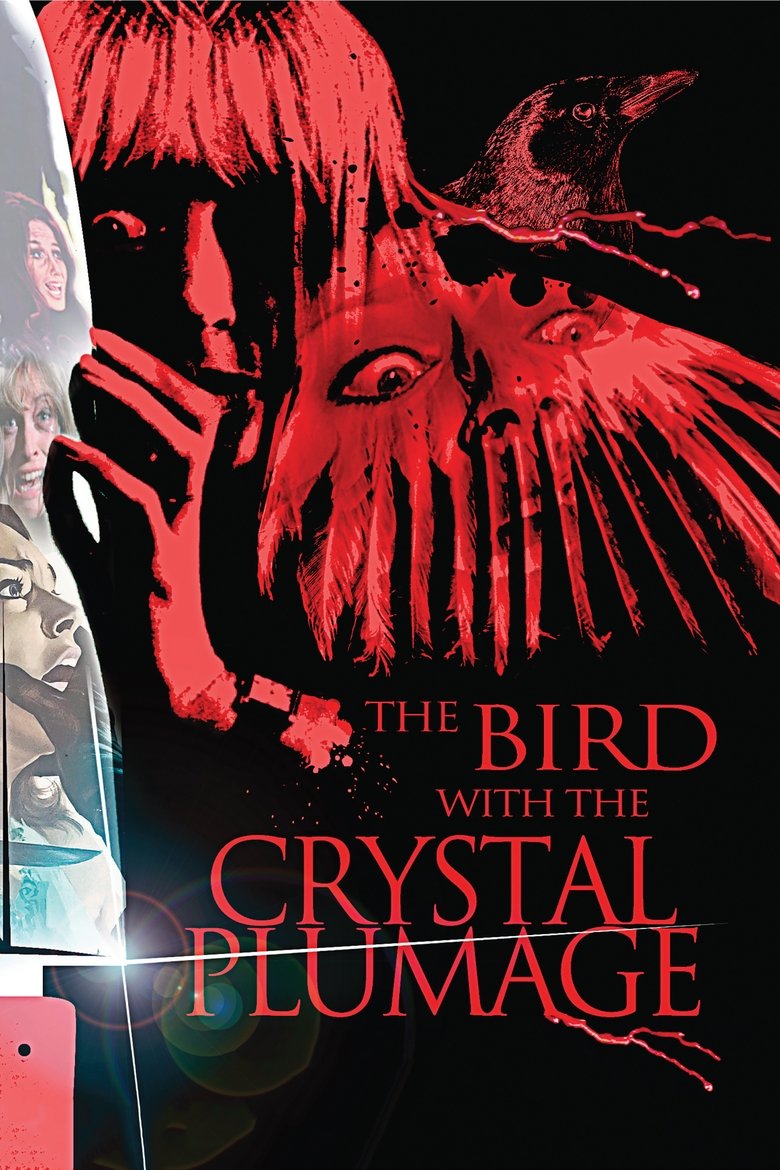
The Bird with the Crystal Plumage 1970
Argento's debut is a model of witness failure: a man sees an attack through glass and spends the film trapped by the detail he might have read wrong. The half-glimpsed clue matters more than the solved crime.

Don't Torture a Duckling 1972
Fulci drags the form out of chic interiors into a rural world of gossip and Catholic repression. It proves giallo can be socially acidic without losing any of its formal cruelty.

The Strange Vice of Mrs Wardh 1971
Martino makes desire and threat inseparable, with Edwige Fenech carrying the whole film on nerves and glamorous self-endangerment. He knows how to make luxury look diseased.
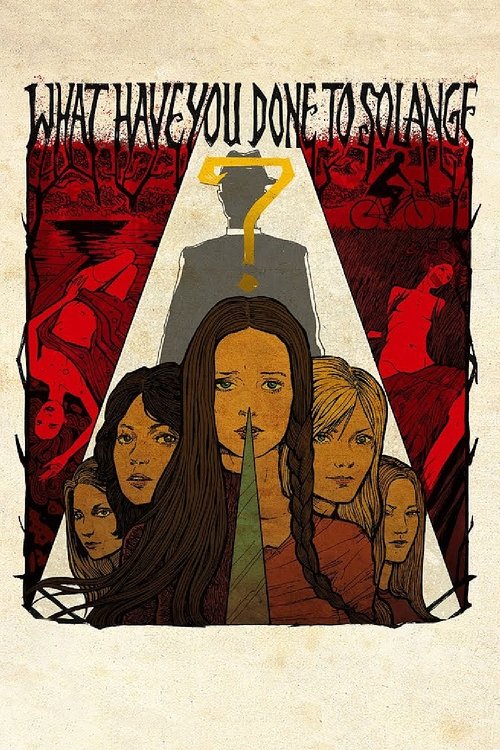
What Have You Done to Solange? 1972
Dallamano gives the subgenre a mournful streak most directors avoided, treating its schoolgirl scandal with real sadness. The bodies here stay wounds instead of becoming decor.
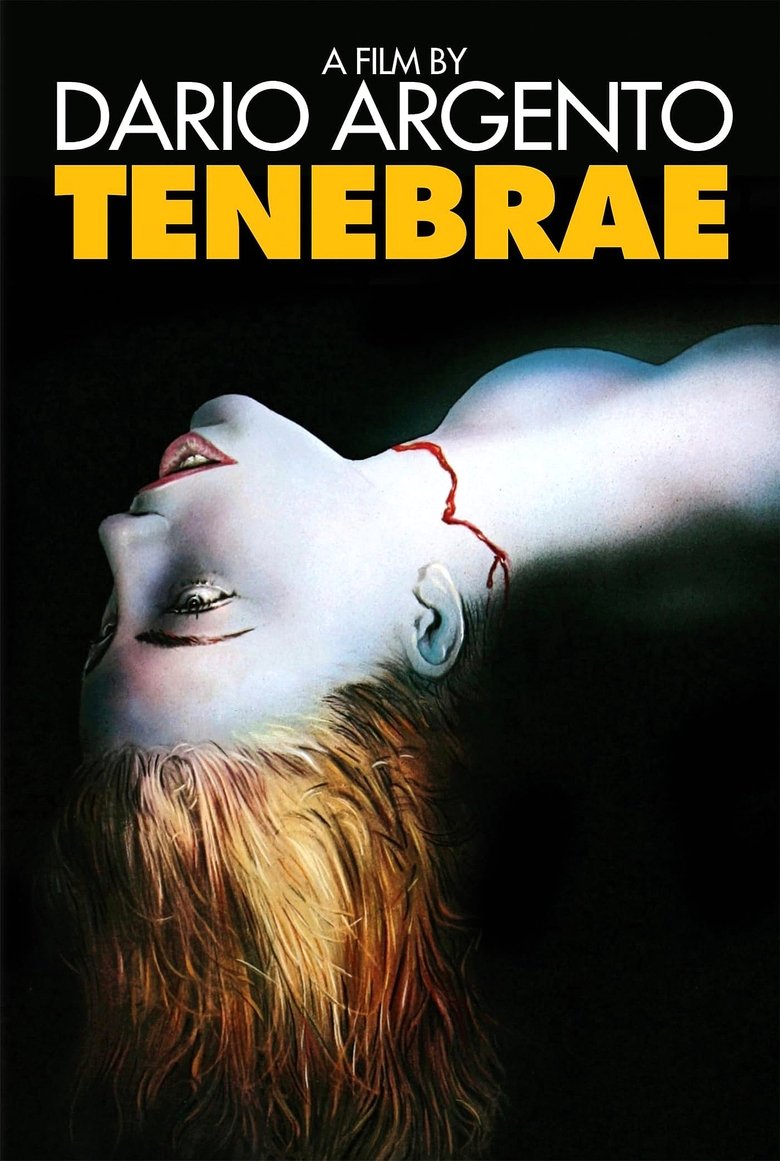
Tenebre 1982
Argento in a brighter, cleaner, more self-conscious register, where white walls leave every murder clinically exposed. It is the clearest case of the genre mutating without losing its appetite for excess.

All the Colours of the Dark 1972
Martino again, this time letting occult paranoia flood the giallo structure. It shows how porous the borders were between thriller, satanic nightmare and psychic dread in early-1970s Italy.
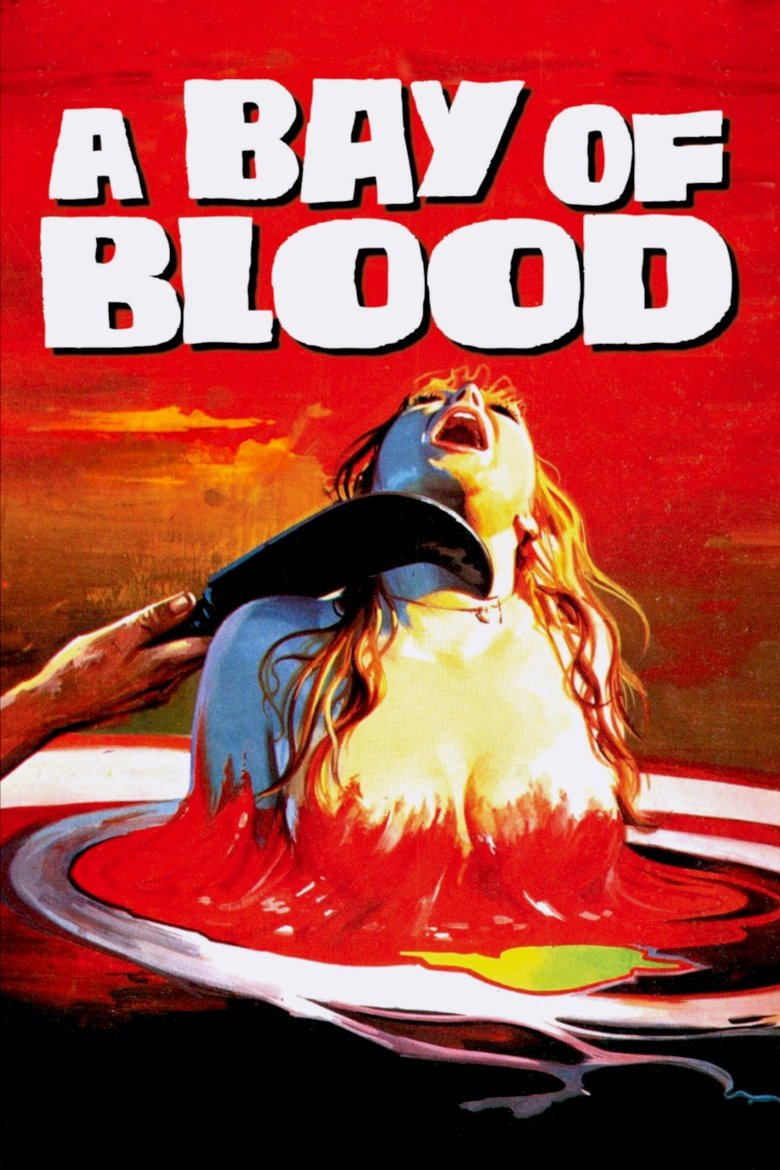
A Bay of Blood 1971
The form stripped of its detective: thirteen killings, an inheritance, and nobody left competent to investigate. Bava swaps the black gloves for a billhook and lets pure mechanism do the work.

Torso 1973
Martino keeps the essentials - a scarf, a half-glimpsed clue, an amateur piecing it together - then spends the last half-hour on a villa siege that quietly becomes the slasher blueprint.
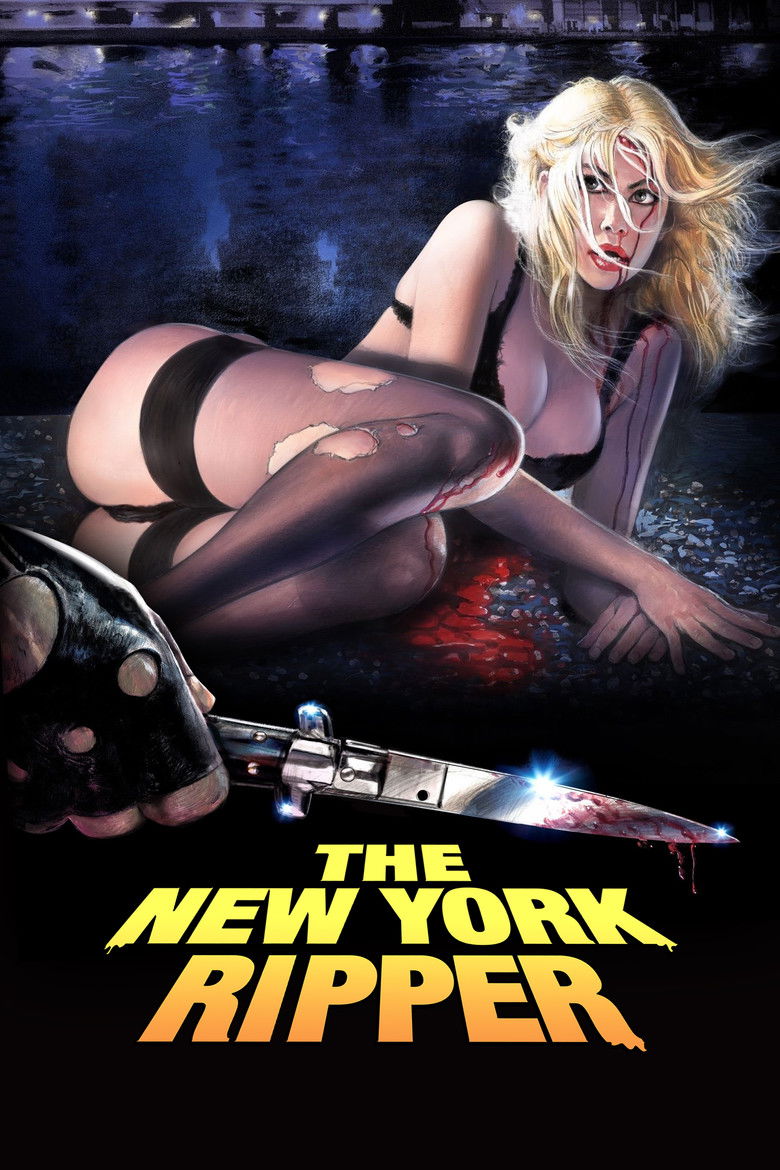
The New York Ripper 1982
The deduction machinery survives intact under the filth: a psychiatrist for a sleuth, a taunting duck voice on the phone, a witnessed detail that decides everything. Fulci uses the form to make you complicit.
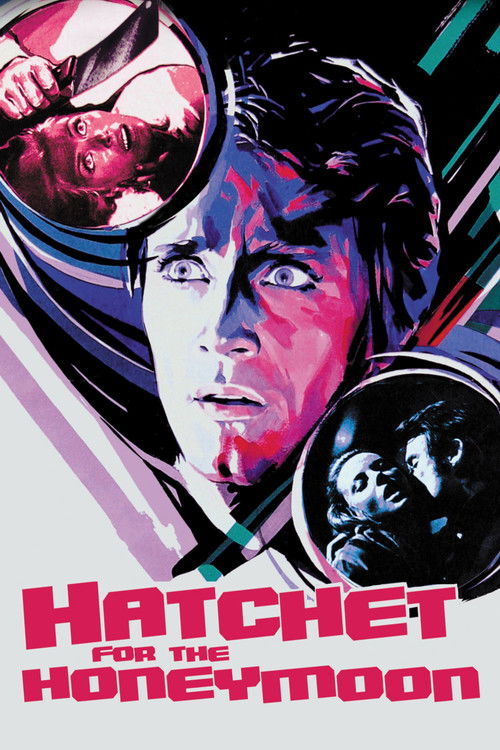
Hatchet for the Honeymoon 1970
Bava hands the black gloves to the killer and lets him narrate: a bridal-fashion designer with a cleaver, working through a blocked memory one veil at a time. The whodunit is voided in the first minute.
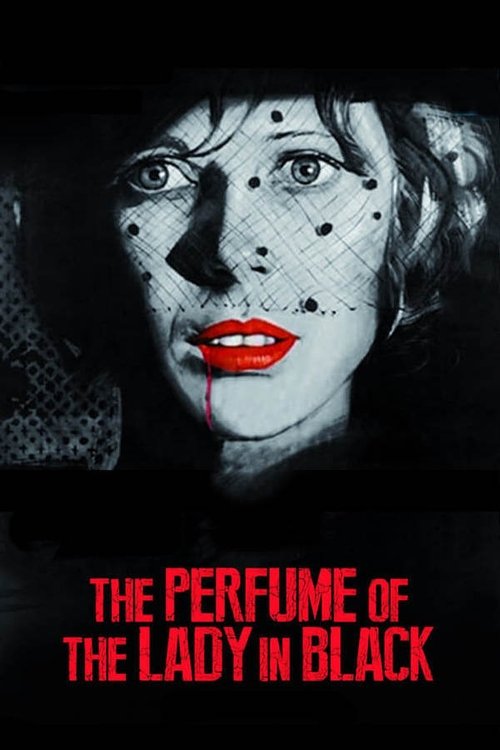
The Perfume of the Lady in Black 1974
Barilli keeps the giallo's unreliable witness and throws out the investigation: Mimsy Farmer watching her own childhood arrive through the mirrors. It ends somewhere no whodunit could follow.

Your Vice Is a Locked Room and Only I Have the Key 1972
Martino runs the giallo through Poe: a drunk writer, a humiliated wife, a black cat named Satan and a corpse in the wall. The gloves matter less than who is being punished, and for what.
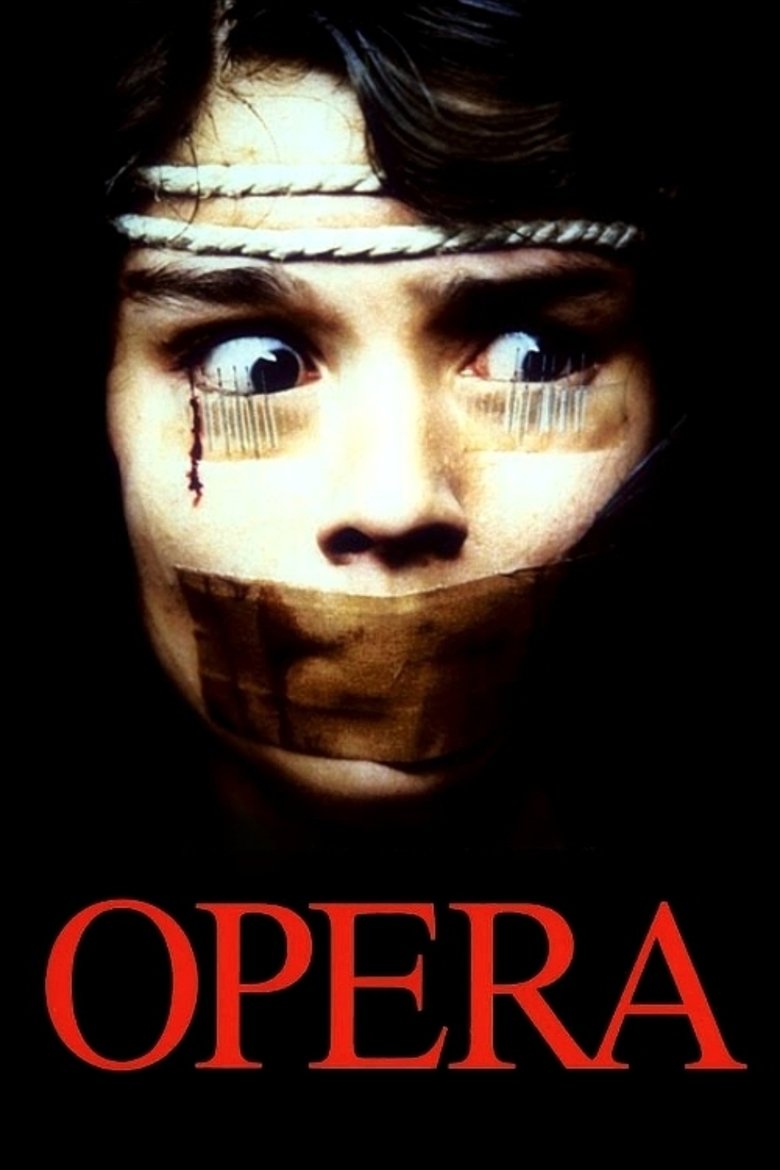
Opera 1987
The genre's whole economy of looking made literal: needles taped beneath Betty's eyes so she has to watch each murder. Argento admits the giallo was always about forcing a witness to see.

Phenomena 1985
Argento replaces the amateur sleuth with forensic entomology and a sleepwalking schoolgirl, and the form's rationalism finally cracks: telepathy, maggots, a chimp with a razor.

A Lizard in a Woman's Skin 1971
Fulci builds the case out of a patient's dreams, which makes every clue inadmissible and the film delirious. Morricone scores it; Rambaldi's vivisected dogs put Fulci in front of a judge.
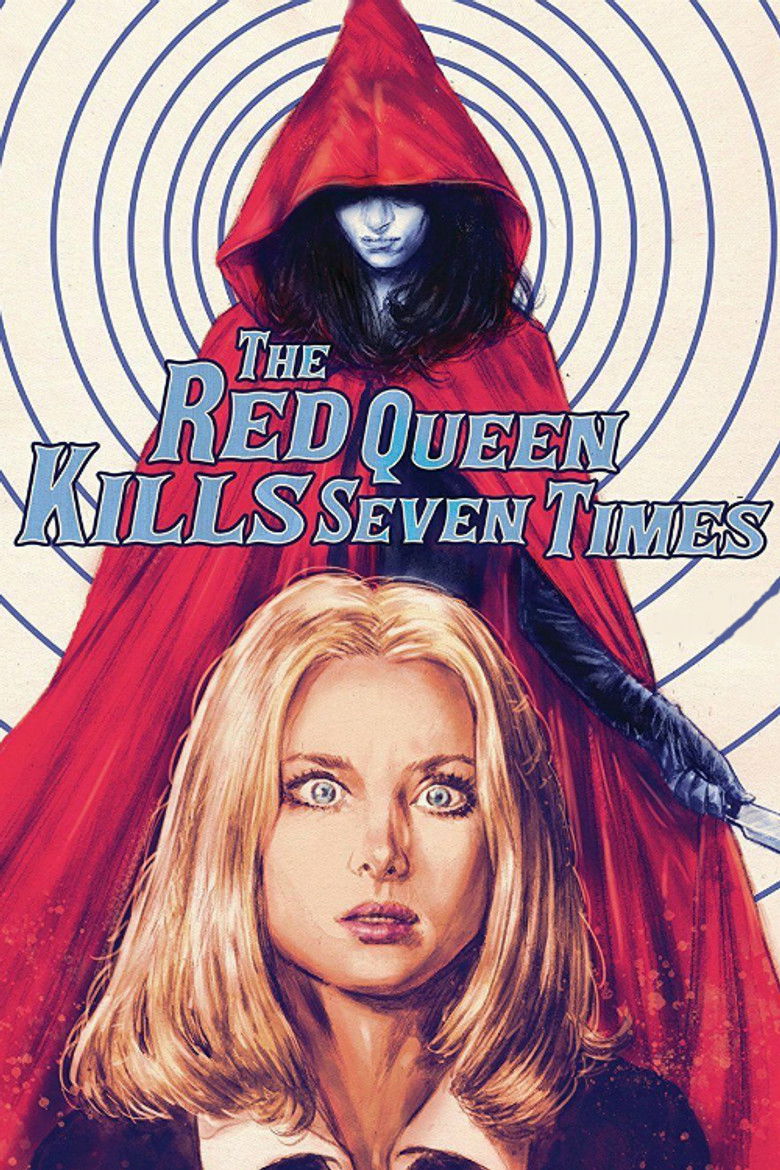
The Red Queen Kills Seven Times 1972
Miraglia bolts the giallo onto a family curse: two sisters, an inherited castle, and a woman in a red cloak due to claim seven lives. Fashion-house glamour upstairs, gothic legend in the crypt.
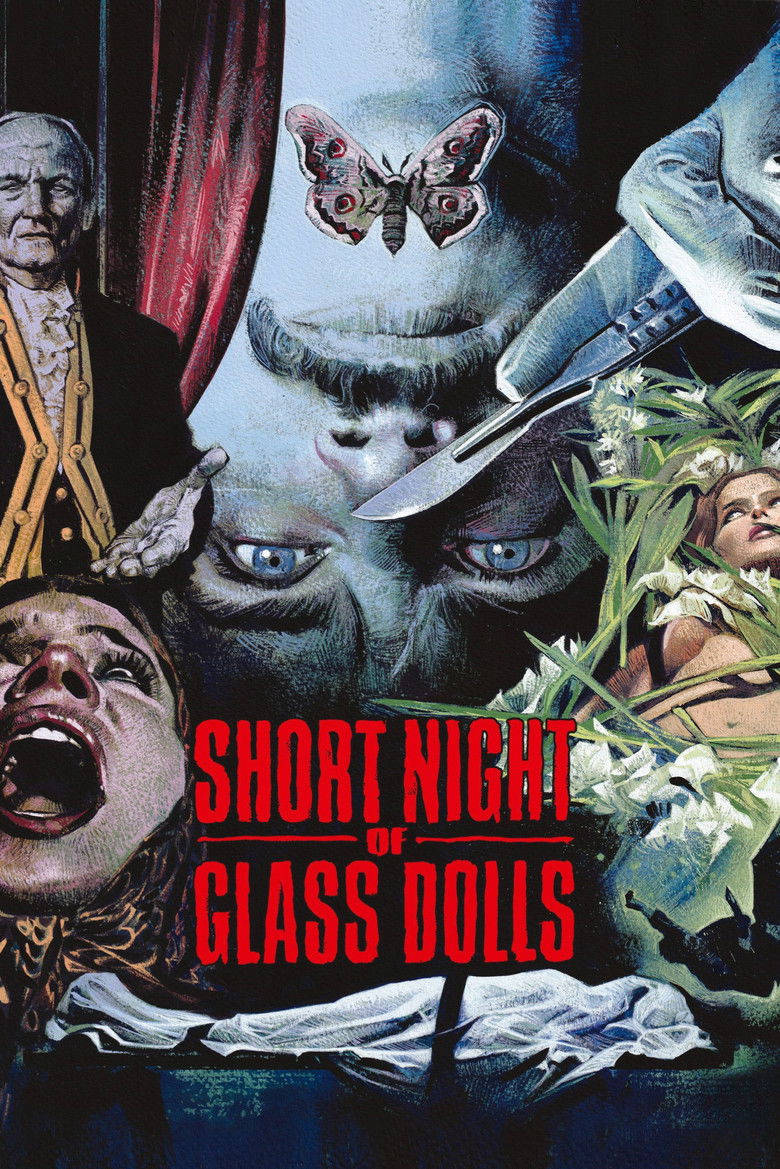
Short Night of Glass Dolls 1971
The investigator is on the mortuary slab, paralysed, reconstructing his own murder before the autopsy starts. Lado turns the giallo into a political nightmare about an elite that feeds on the young.
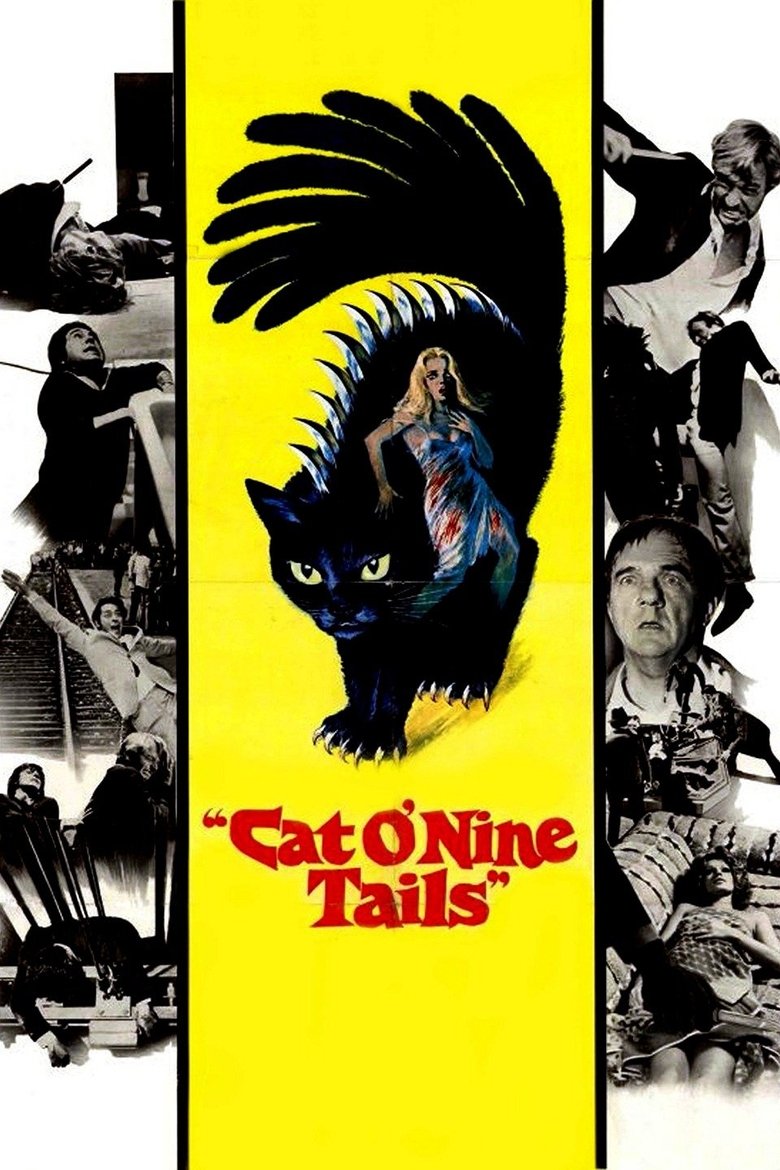
The Cat o' Nine Tails 1971
Argento's most procedural giallo: a blind puzzle-setter and a reporter grinding through nine leads toward a genetics institute and an XYY chromosome. For once the decisive clue is heard, not seen.
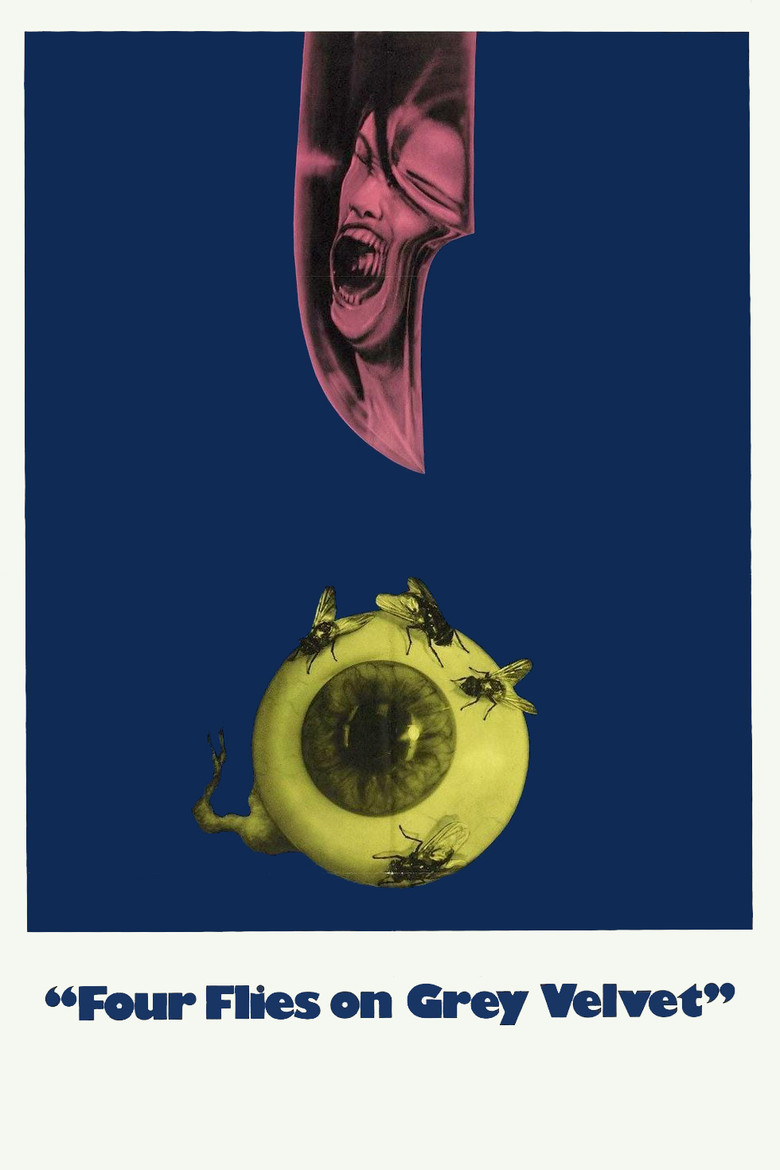
Four Flies on Grey Velvet 1971
The half-remembered detail becomes a literal image burned onto a dead retina - four flies on a pendant. Argento closes the animal trilogy with a drummer, a blackmailer, and Bud Spencer playing a man called God.