

The 25 Best Ghost Movies
A ghost is a claim. Someone died with an account left open, and the film is the collection process: a name to be cleared, a body to be found, a lie a family agreed to tell. Rank ghost movies by the quality of the claim and the canon rearranges itself, because the frightening part is rarely the apparition. It is the discovery that the dead have been right the whole time and nobody in authority wanted the file reopened.
So this list sorts by what the ghost is doing there. Some are witnesses to history that a state would rather forget, in Franco's Spain or feudal Japan. Some are grief that refuses to close and keeps sending messages. Some are not really individuals at all but curses that behave like formats, copying themselves through videotape and telephone lines. The building matters less than you would expect. We keep a separate list for houses that eat people; this one belongs to the tenants.
Watch these free right now

How this list was built
Ranking is critical standing first, and the standing has to be for the ghost work specifically. A film can be a masterpiece and a weak ghost movie. What earns a high place here is a haunting with an argument inside it: a mechanism, a debt, a piece of testimony the living have suppressed. Reputation among programmers and critics settles the ties, and titles from Japan, Korea, Hong Kong, Thailand and Spain sit in the top half because the ghost story was reinvented there more than once.
The boundary is genuinely contested in three places. J-horror curses spread by contact rather than by grievance, which makes them closer to epidemiology than to the classic revenant, and purists argue they belong elsewhere. Films about mourning where the supernatural stays unproven sit at the other edge: if a bereaved person receives a sign, the film may be a ghost story or a study of what grief does to perception, and the best ones refuse to settle it. Comedy is the third argument, since a bureaucratic afterlife played for laughs is still a film about being dead and unable to leave.
We have excluded possession cinema, which runs on religious authority rather than on an unfinished life, and we have kept the haunted-house canon light on purpose. Where a great film could sit on two lists, it goes where the more interesting reading is.
The films on this list
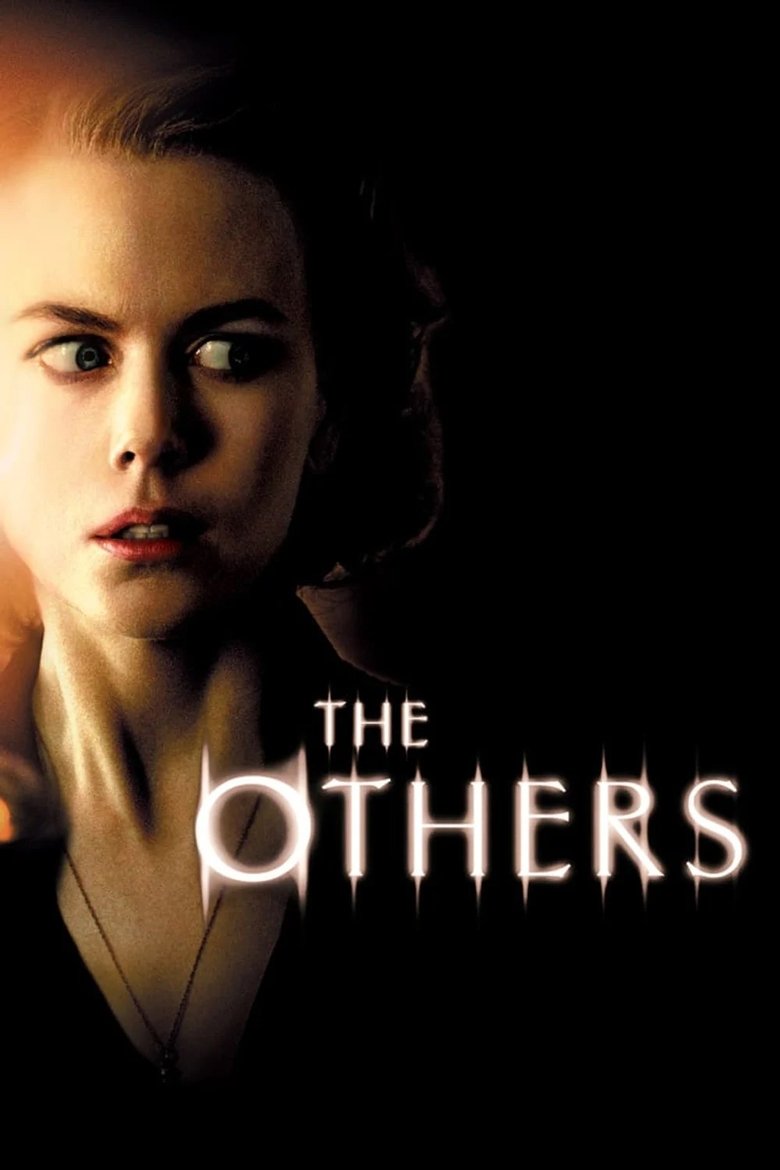
The Others 2001
Amenábar runs a Victorian ghost story from inside the ghost's own misreading of the world, so every rule Grace enforces about drawn curtains and locked doors turns out to be self-imprisonment.

The Changeling 1980
Medak treats the haunting as an archive problem: seance transcripts, property records, a wheelchair on a staircase. The ghost does not want to frighten anyone, it wants a file finally opened.

Kwaidan 1965
Kobayashi shoots four Lafcadio Hearn tales under painted studio skies, treating the dead as an older Japan still filing claims against the living. Hoichi's inked skin is the most beautiful image in the genre.
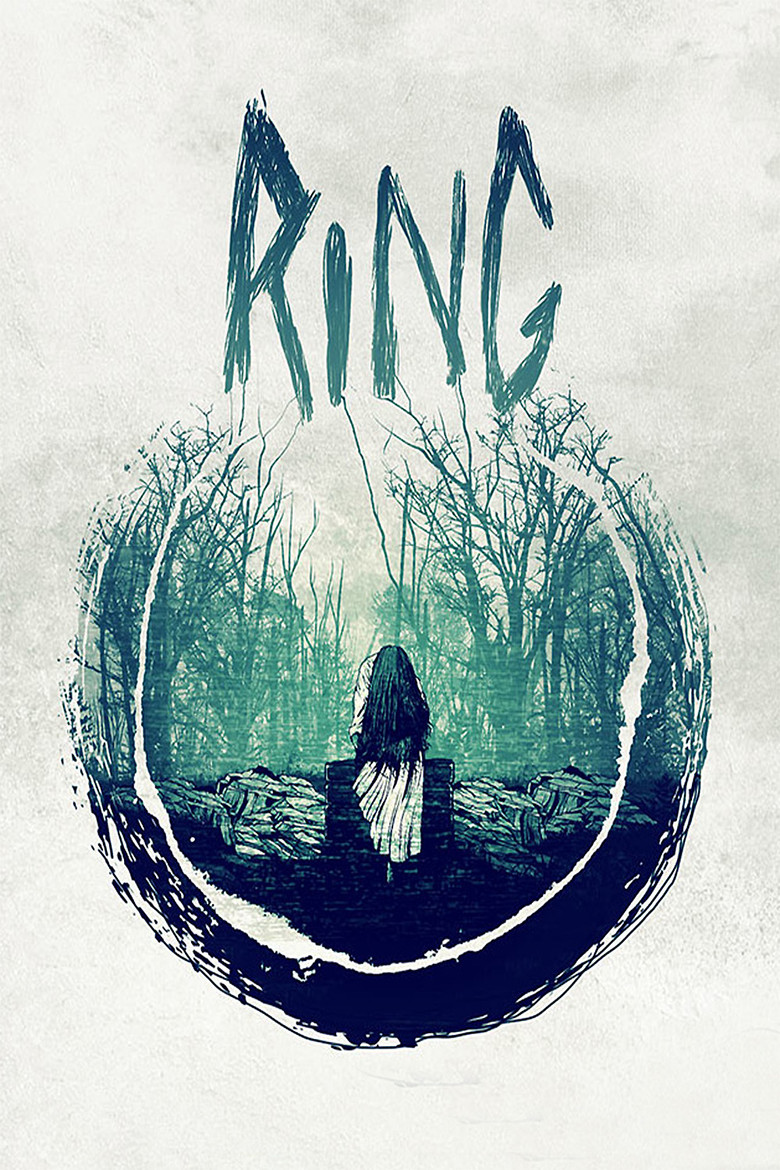
Ring 1998
Nakata's curse behaves like a media format: copy the tape, buy yourself time, condemn a stranger. The horror is distribution logic, and the journalist's investigation only accelerates the spread.

The Innocents 1961
Clayton and cinematographer Freddie Francis keep two readings alive at once: either Bly is haunted or Miss Giddens is, and the film refuses to arbitrate. Deborah Kerr plays repression as an investigative method.
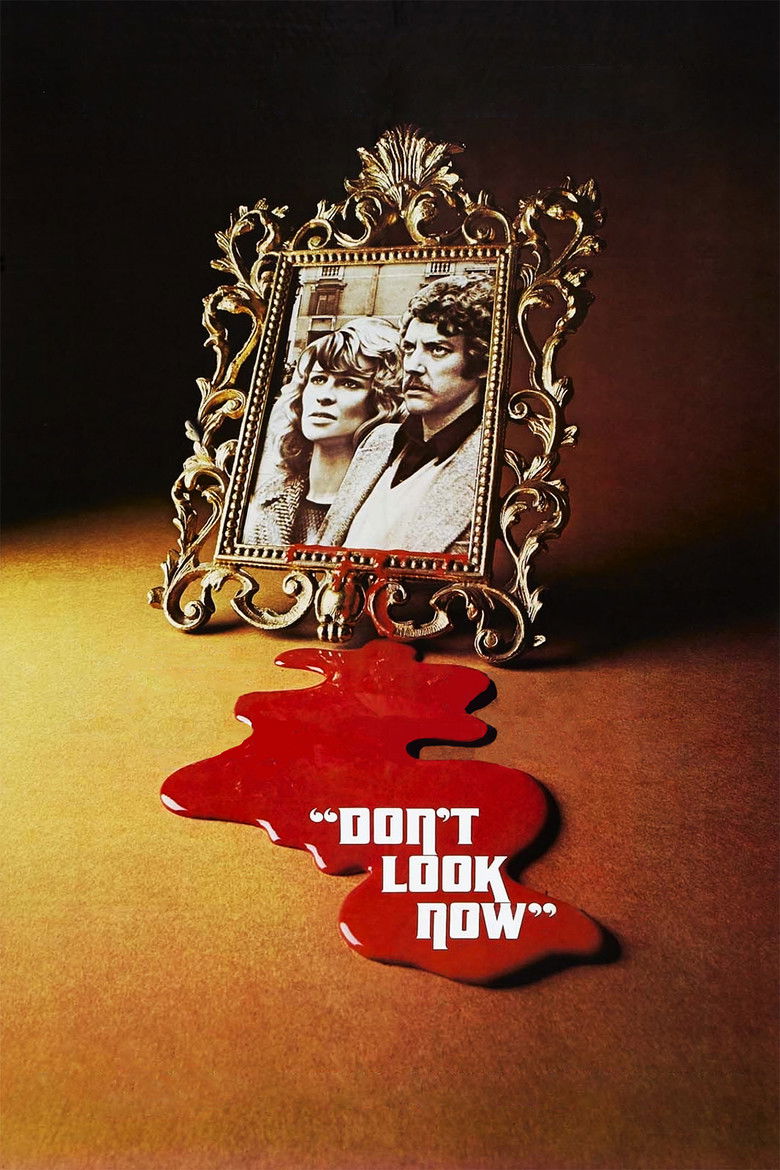
Don't Look Now 1973
Roeg cuts Venice into premonition and mourning until grief and prophecy share one editing rhythm. The red coat is not a jump scare, it is a father misreading a vision he has been shown from the start.

Kuroneko 1968
Shindo turns two women murdered by samurai into a vengeance contract with the dead, staged in bamboo and black space. The ghost is class violence returning with better choreography.

Poltergeist 1982
Hooper and Spielberg build suburbia over a relocated cemetery, so the dead arrive as a consumer complaint. The child becomes a bargaining chip and the television set is the negotiating table.
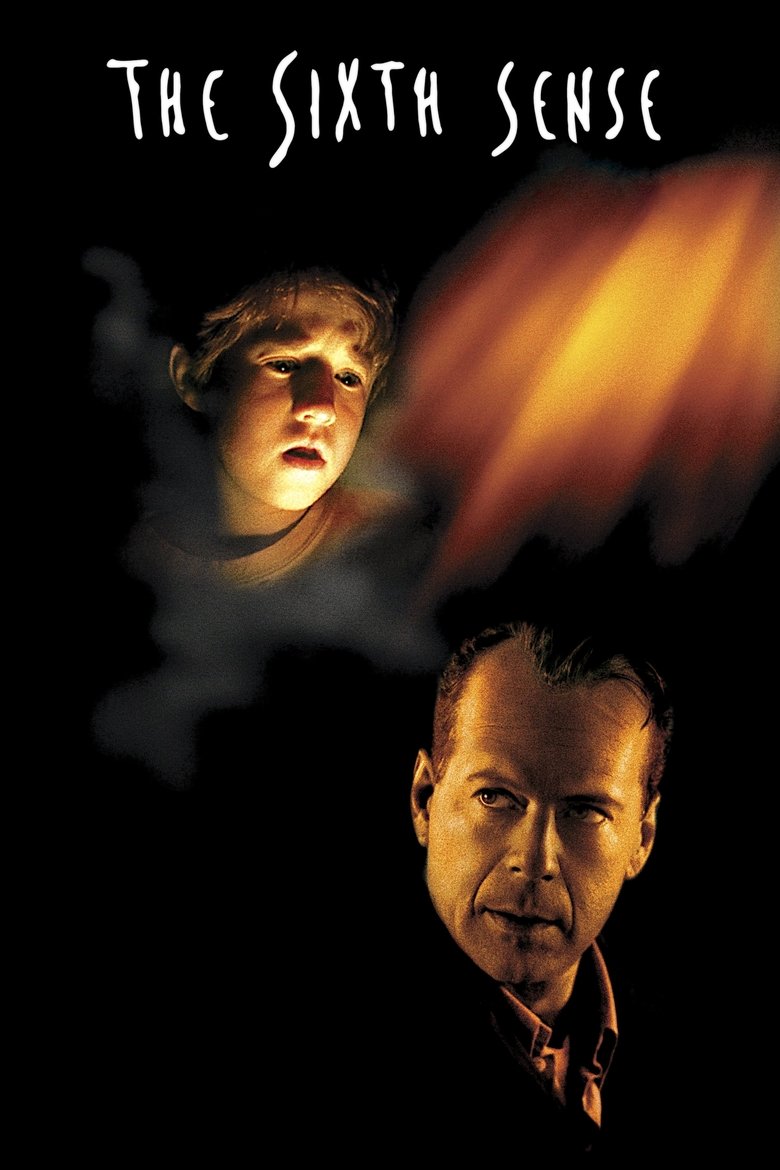
The Sixth Sense 1999
Strip the twist and it remains a film about a child conscripted as unpaid social worker for the dead. Shyamalan's real subject is how adults dismiss testimony they find inconvenient.
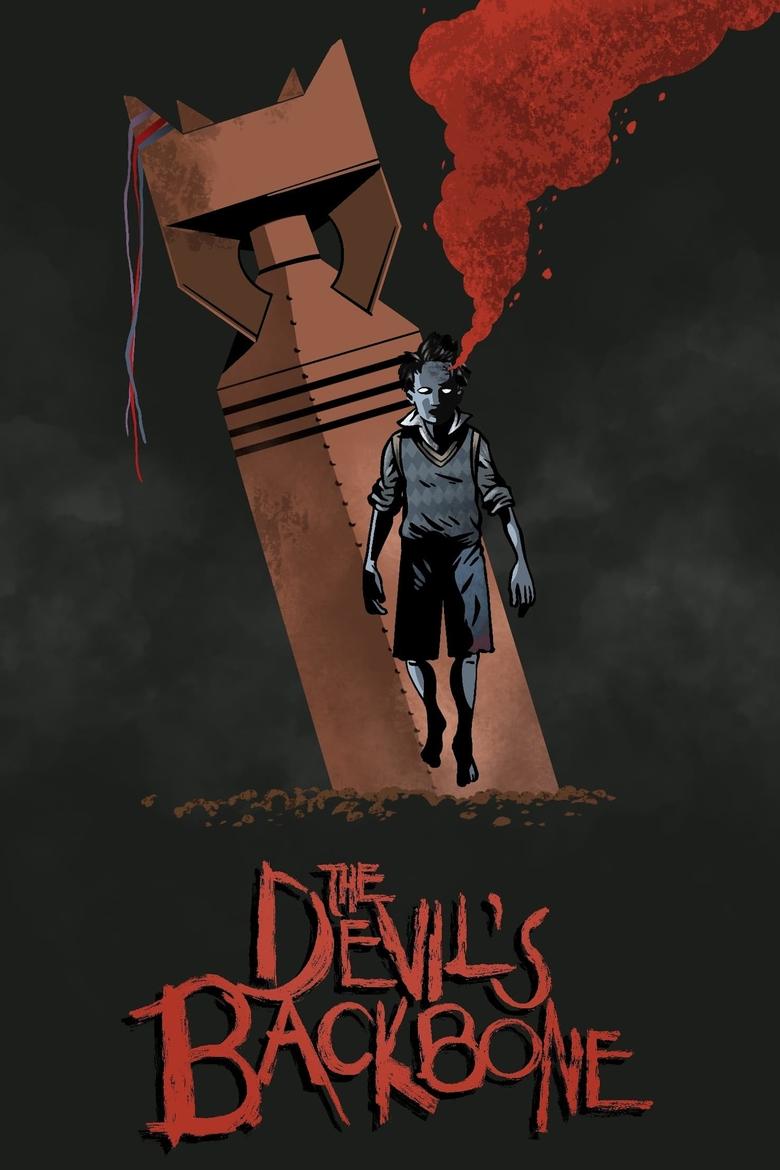
The Devil's Backbone 2001
Del Toro's ghost is a murdered boy functioning as evidence inside a Republican school under Franco, while the actual monster draws a salary and carries the keys.
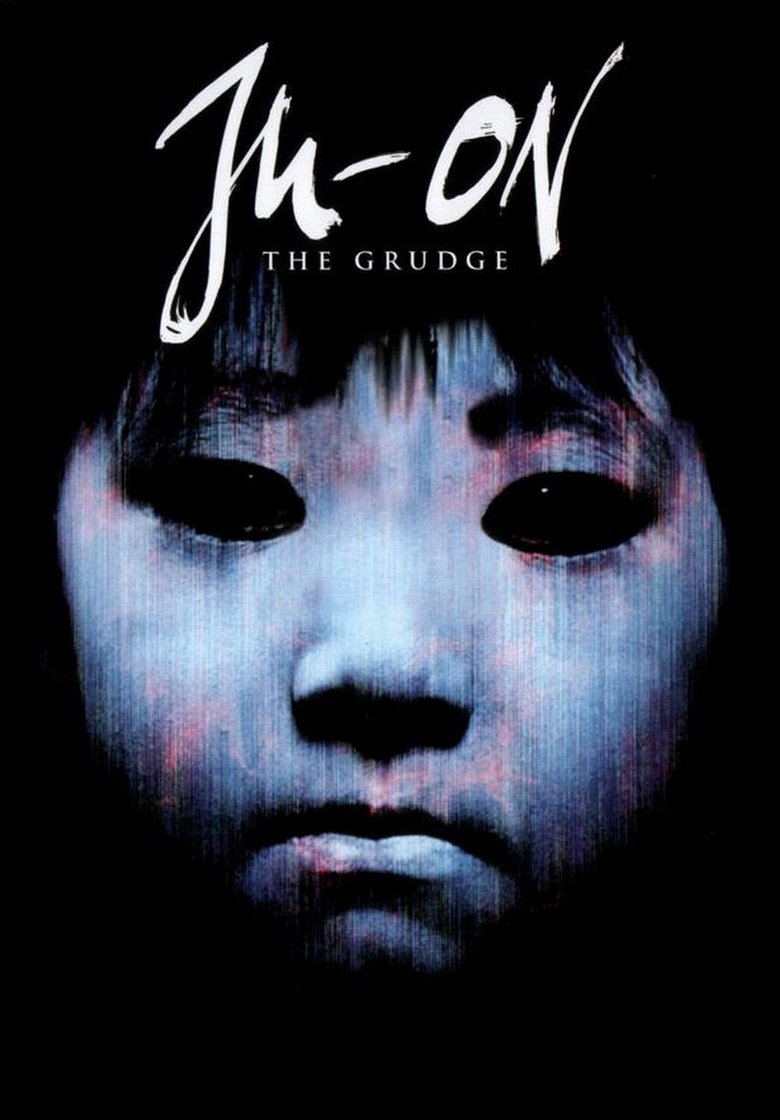
Ju-on: The Grudge 2002
Shimizu shatters chronology so the curse arrives as scattered case files rather than a story. No transgression is required: entering the house is contagion enough.

Pulse 2001
Kurosawa's dead leak through dial-up because the afterlife is full and loneliness is the protocol. The worst frames are empty rooms still holding the shape where someone used to stand.

A Tale of Two Sisters 2003
Kim Jee-woon uses the ghost as a family's negotiated fiction, a way of housing guilt that cannot be spoken at the dinner table. The design is immaculate and the cruelty is entirely domestic.

The Orphanage 2007
Bayona routes a mother's search through a children's game of counting and knocking, so detective work and mourning become one activity. Belén Rueda carries it on refusal to accept the official answer.

A Ghost Story 2017
Lowery leaves the sheet ridiculous on purpose, then holds the shot until duration does the work. Being dead here is mostly waiting, watching new tenants, losing the thread of your own attachment.

Personal Shopper 2016
Assayas installs mourning inside a phone: a twin waits for a sign and receives messages of uncertain origin. Kristen Stewart plays grief as unfinished labour in somebody else's wardrobe.

Carnival of Souls 1962
Shot for almost nothing by a maker of industrial films, Harvey's only feature lets its church organist drift out of the social world until an abandoned pavilion claims her. Amateur here means unpredictable.

The Uninvited 1944
The first Hollywood picture to play a haunting straight rather than for laughs, and underneath the Cornish fog it hides a case about maternal reputation and who gets remembered as the respectable woman.

Dark Water 2002
Nakata makes a custody battle and a leaking ceiling the same threat. The ghost is a neglected girl, and the only available exorcism is a substitution no mother should agree to.

Lake Mungo 2009
Anderson's fake documentary is about a family manufacturing a ghost to postpone what it already knows. The digital zoom into a phone photograph is the decade's best use of bad image quality.

His House 2020
Weekes moves a Sudanese couple into British asylum housing where the debt is owed not to a building but to the people who drowned. The night witch bargains while the council estate does its own damage.

Ghostwatch 1992
Manning and writer Stephen Volk hijacked BBC light entertainment for one Halloween night, using the grammar of live broadcast as the delivery system. The country complained; the format never recovered.
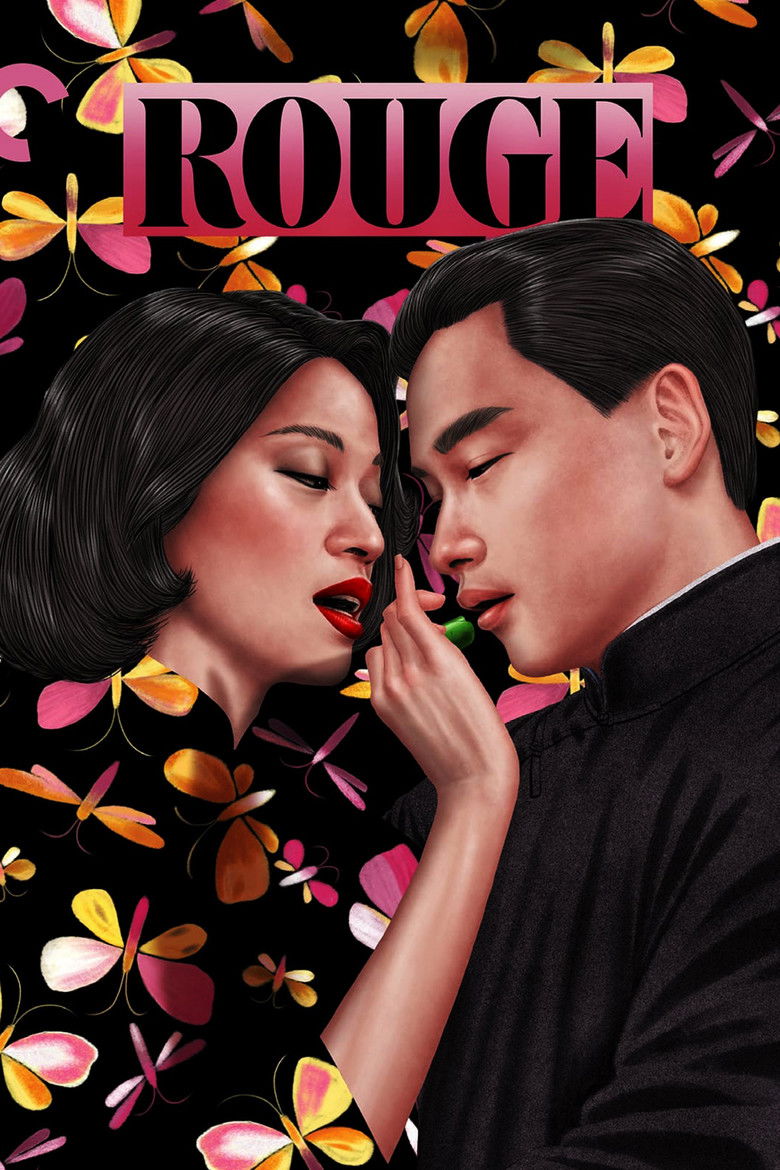
Rouge 1987
Kwan sends a 1930s courtesan's ghost into 1980s Hong Kong, where her devotion looks like an imposition beside modern couples. Anita Mui makes the anachronism unbearable and tender at once.

A Chinese Ghost Story 1987
Ching Siu-tung runs wirework, slapstick and romance at identical speed, with a ghost indentured to a tree demon. Hong Kong tonal whiplash promoted to an aesthetic principle.

The Eye 2002
A cornea transplant leaves a blind woman seeing her donor's unfinished obligations. The Pang brothers treat sight as borrowed tissue, and the debt transfers along with it.