Best Found Footage Horror Movies
Found footage became a punchline because too many weak films confused a camera gimmick with a point of view. The strong ones understand that filming is itself part of the pathology. People keep recording because they want proof, money, control, attention, or a thin professional excuse not to admit they are trapped. That is why the subgenre survived every backlash cycle. At its best, found footage horror turns ordinary media habits into panic architecture. Camcorders, TV crews, webcams, livestreams, desktop windows, surveillance feeds - all of them can carry dread if the film knows why the image exists. I have leaned toward the titles that either defined the form or proved it could stretch beyond one cheap trick. These eight are the ones that still make the subgenre feel alive rather than merely shaky.
Watch these free right now

Found footage lasts because technologies change faster than the underlying impulse. People still believe recording will clarify, protect or at least monetize what is happening to them, and horror keeps proving otherwise. The best of these films know the camera is never neutral: part alibi, part performance, part compulsion.
The films on this list

The Blair Witch Project 1999
Myrick and Sanchez still own the foundational text because the footage never improves into comprehension. The woods stay confusing, the arguments turn petty, and fear gets worse precisely because recording grants no authority.
![[REC] (2007) - film poster, directed by Jaume Balagueró](https://cabaneasang.tv/wp-content/uploads/castv/posters/rec-2007-jaume-balaguero-poster.jpg)
[REC] 2007
Balaguero and Plaza gave found footage its purest acceleration, starting as local-TV opportunism before hardening into apartment-block containment horror. The camera's presence makes professional sense before it becomes a curse.

Lake Mungo 2009
Anderson proves the form can work through grief and replay, building horror from analyzed home video and delayed recognition. Every clip promises revelation and delivers new uncertainty instead.

Paranormal Activity 2007
Peli's move to static domestic surveillance was a smart reduction that teaches you to dread waiting. The camera keeps functioning while the explanation never arrives, and that gap holds all the power.

Noroi: The Curse 2005
Shiraishi takes the opposite route from minimalism, piling TV clips, occult patterns and missing people into an archive that should never have been assembled. The accumulation is the point, each document infecting the next.

The Borderlands 2014
Goldner's sharp British entry gives its Vatican investigators a bureaucratic reason to keep the cameras rolling long past common sense. Dryly funny in a way that makes the final movement worse, not lighter.

Gonjiam: Haunted Asylum 2018
Jung updates the form through livestream vanity, a crew monetizing fear for online viewers until the building answers back. The setup finally explains why terrified characters keep performing.
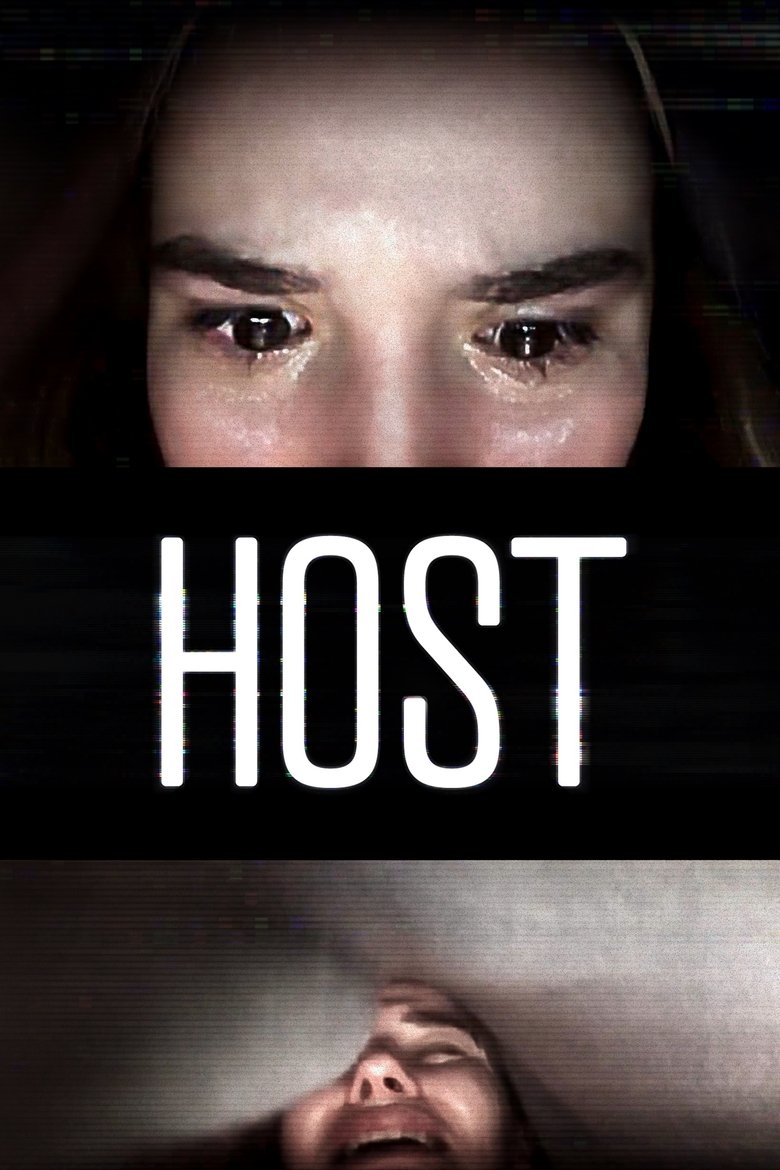
Host 2020
Savage turns a video-call grid into formal horror language, every square a potential threat vector. The rare pandemic-era film that understood contemporary dread already lives inside screens like this.

Cloverfield 2008
Reeves scales the form up to blockbuster money without dropping its handicap: the monster stays mostly offscreen because a party guest holding a camcorder would never get the good angle. New York filmed by accident.
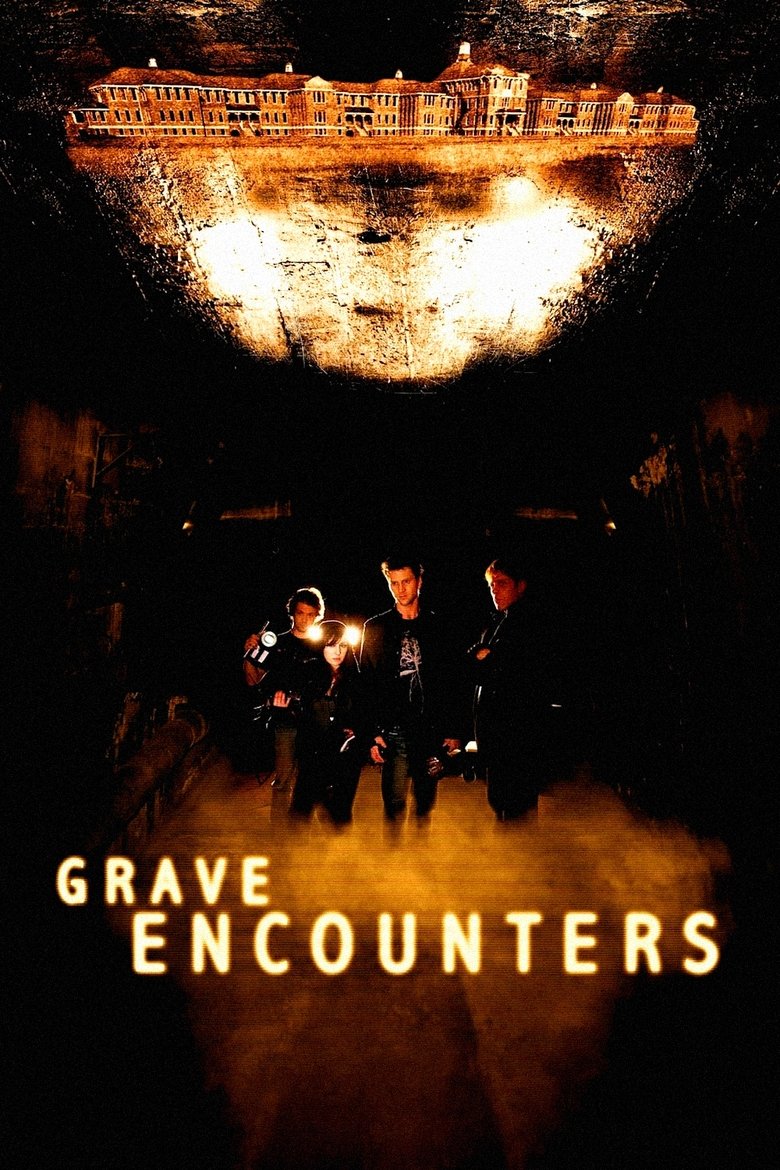
Grave Encounters 2011
The Vicious Brothers start from a fraudulent ghost-hunting show, which settles the camera question cheaply and well: these people are contractually obliged to keep shooting. Then the building stops obeying its own floor plans.

The Taking of Deborah Logan 2014
Robitel hides a possession inside a student documentary on Alzheimer's, so every symptom stays deniable and the crew keeps rationalising what it records. Few films have used a medical alibi this coldly.
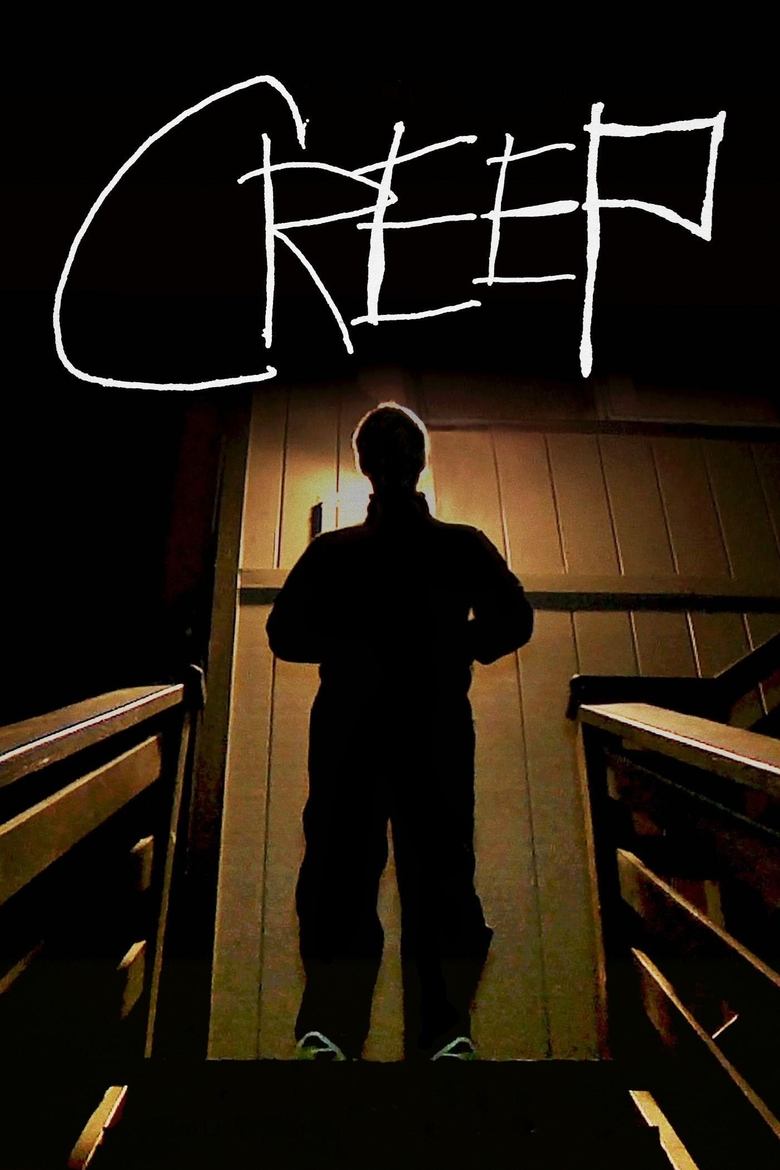
Creep 2014
Brice solves the genre's central problem by making the camera a paying job: Duplass has hired a man to film him, so the lens cannot be put down without breaking the arrangement. Awkwardness does the work of violence.
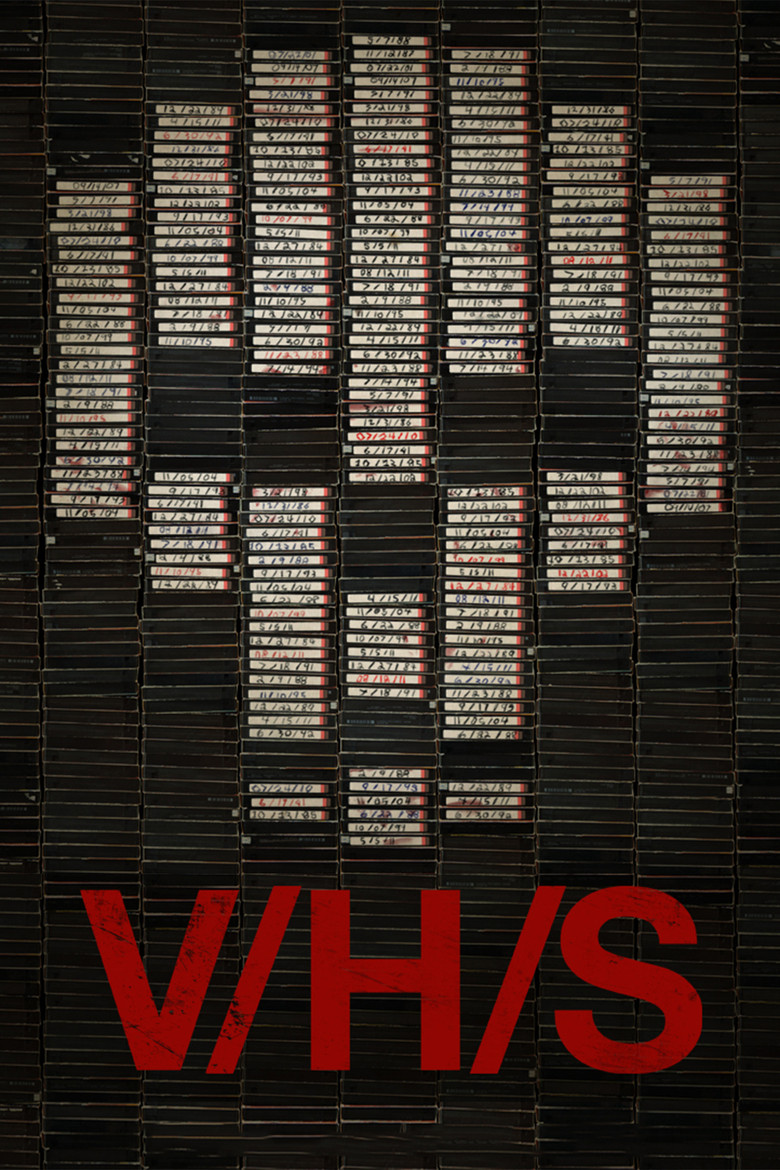
V/H/S 2012
An anthology where the format carries the argument: each tape has its own reason to exist, from a hidden-camera predation scheme to a webcam call, and the strongest segments are the ones that justify the recording.
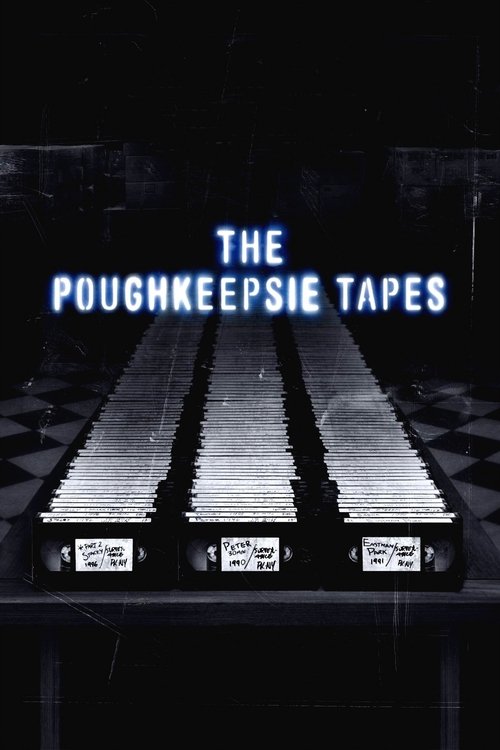
The Poughkeepsie Tapes 2007
Dowdle gives the ugliest available answer: the killer is the cameraman, editing his own archive, and the documentary around it exists only to inventory his work. Shelved for years, and you can see why.

Willow Creek 2013
Goldthwait spends most of the running time on Bigfoot tourism and local eccentrics, then stakes the whole film on one unbroken static shot inside a tent. Patience is the method and sound alone pays it back.
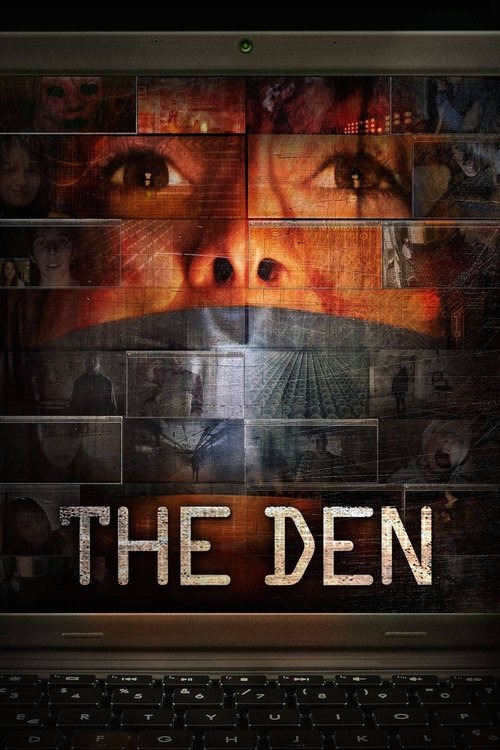
The Den 2013
Donohue moved the form onto a laptop before screenlife had a name: a researcher studying strangers on video chat, with the interface itself explaining why nothing is ever switched off.

Incantation 2022
Ko makes the audience complicit by design, asking you to memorise a chant and stare at a symbol, so the curse travels through the act of watching. Taiwan's biggest horror hit earned that structurally.
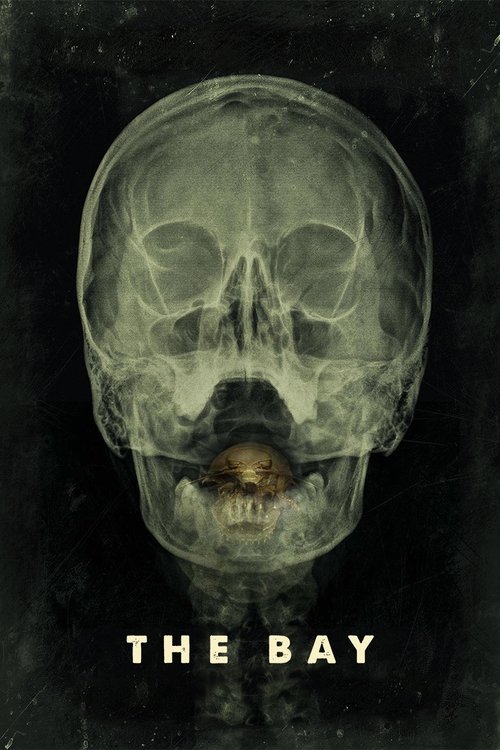
The Bay 2012
Levinson assembles his outbreak from news feeds, police cameras and leaked reports instead of one shaky operator, which makes it read less like a story than a suppressed environmental file on Chesapeake Bay.

The Tunnel 2011
Ledesma cuts the Sydney tunnel material against later interviews with the survivors, so you know from the start who lived and spend the film watching them account for the rest. Cheap, Australian, structurally smart.

Ghostwatch 1992
Manning and Volk borrowed the BBC's own live-broadcast furniture, real presenters included, and let a haunting happen inside it. The complaints that followed prove the format was doing the frightening.