
Best Exploitation Films
Exploitation cinema is our home turf: fast, lurid, made for a buck and impossible to forget. This list crosses each cycle of the tradition, from blaxploitation and ozploitation to mondo and women-in-prison pictures, keeping the films that every serious history of the form keeps naming.
From the blaxploitation wave and the outback nightmares of Ozploitation to mondo shockumentaries and women-in-prison potboilers, these are the pictures that built the grindhouse circuit and half of modern genre cinema's vocabulary.
Watch these free right now


Cinema at full volume
Exploitation cinema promises everything on the poster and delivers it in eighty minutes: sex, violence, revenge, monsters, whatever the market wanted that year. Underneath the lurid surface sits real history, because these cycles gave first chances to filmmakers, stars and whole national industries that the studios ignored.
Every cycle represented
Blaxploitation, ozploitation, mondo, women-in-prison pictures, nazisploitation landmarks, rape-revenge watersheds and video-store notoriety: each strand of the tradition is here through its most-cited films, ranked by how consistently they appear across serious histories of the form.
The films on this list

Coffy 1973
Pam Grier's breakout, a nurse turned one-woman vengeance squad against the dealers who wrecked her sister. It gave blaxploitation its fiercest heroine and set the template Foxy Brown would refine.

Cannibal Holocaust 1980
Deodato's mondo-horror hybrid is still one of the most notorious films ever made, its found-footage frame so convincing it landed him in court. The animal cruelty remains indefensible; the media critique underneath is sharper than its reputation suggests.

Faster, Pussycat! Kill! Kill! 1965
Russ Meyer's go-go-dancer rampage is pure pulp velocity, with Tura Satana's Varla one of the great screen predators. Camp, cruel and endlessly quotable.

Foxy Brown 1974
Grier again, cranking the revenge higher and the politics louder. Rougher than Coffy but more iconic, it fixed her as the queen of the whole cycle.
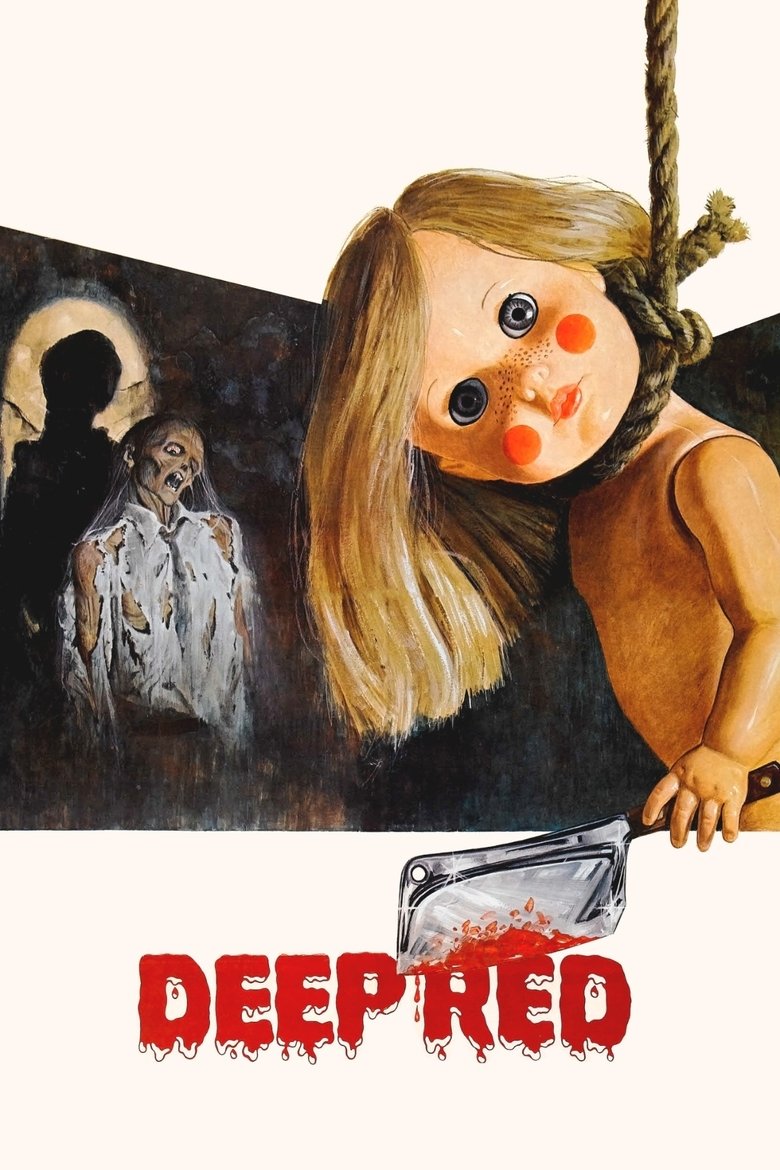
Deep Red 1975
Argento at full command, where the Goblin score and weaponized decor make perception itself feel dangerous. The mystery matters less than the way it teaches you to distrust your own eyes.

Wake in Fright 1971
The nightmare that defined Ozploitation before the label existed, trapping a schoolteacher in an outback town of heat, beer and casual savagery. A masterpiece of mounting dread that was nearly lost for decades.

The Last House on the Left 1972
Craven's raw debut weaponizes rape-revenge into something genuinely sickening, then dares you to enjoy the payback. Crude, upsetting and impossible to unsee.

Mondo Cane 1962
The film that launched the mondo shockumentary, stitching real and staged cruelties into a globe-trotting spectacle of the grotesque. Sleazy, dishonest and wildly influential.

The Big Doll House 1971
The Corman-produced women-in-prison template, with Pam Grier among the inmates plotting a breakout. It codified every trope the cycle would repeat for a decade.
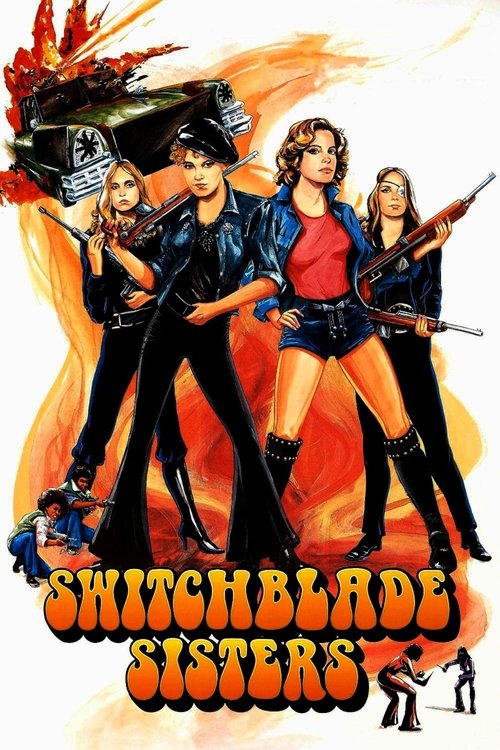
Switchblade Sisters 1975
Jack Hill turns a girl-gang melodrama into something operatic, all loyalty, betrayal and switchblade honor. Tarantino's reissue rescued it for good reason.

Mad Max 1979
George Miller built a road-rage revenge picture out of almost no money and pure kinetic instinct. The entire wasteland mythology grows from this lean, furious first film.
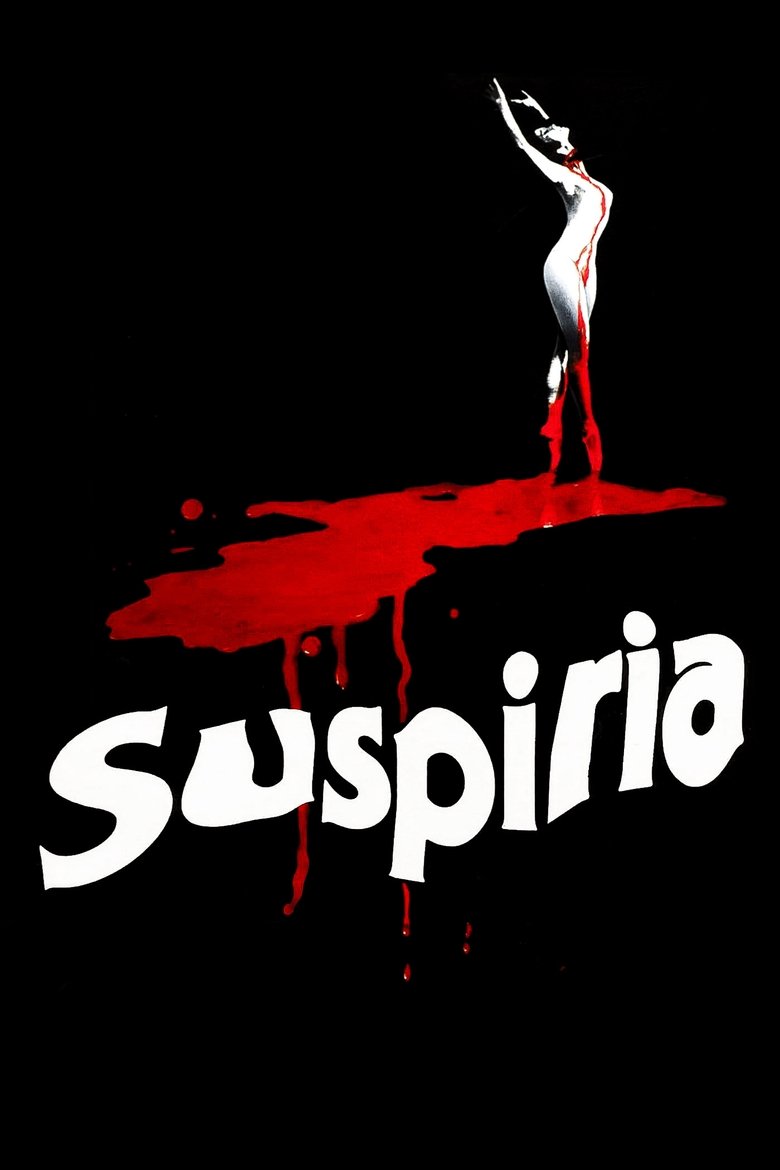
Suspiria 1977
Argento abandons plot logic for pure sensory assault, drowning a ballet-school coven in Technicolor red and Goblin's shrieking score. Less a mystery than a waking nightmare.

Blacula 1972
The blaxploitation vampire picture that took its premise seriously, giving William Marshall a genuinely tragic Prince Mamuwalde. Far more soulful than the title promises.

Dolemite 1975
Rudy Ray Moore's rhyming, kung-fu-fighting pimp is gloriously threadbare and completely committed. The seams show everywhere, which is exactly the charm.

Thriller: A Cruel Picture 1973
The Swedish rape-revenge shocker that put an eyepatch and a shotgun on Christina Lindberg and influenced Kill Bill directly. Grim, slow and genuinely nasty.
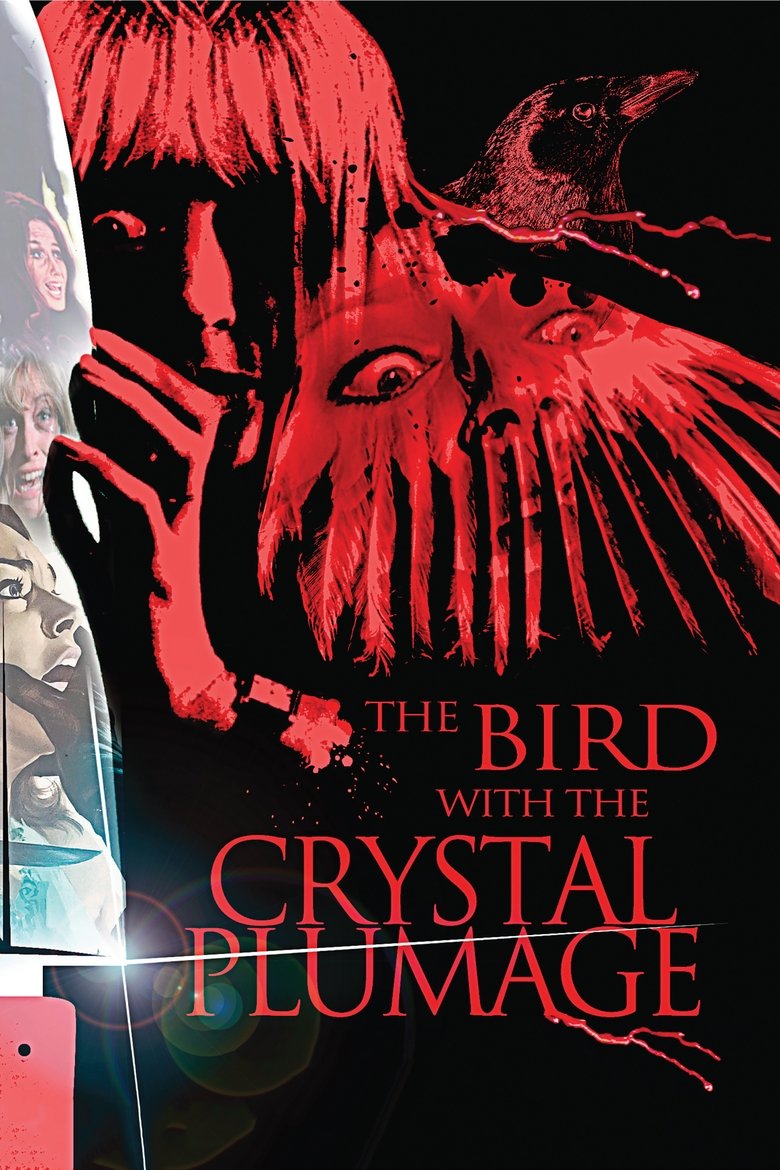
The Bird with the Crystal Plumage 1970
Argento's debut is a model of witness failure, a man trapped by the attack he saw through glass and may have read wrong. The half-glimpsed clue matters more than the solution.
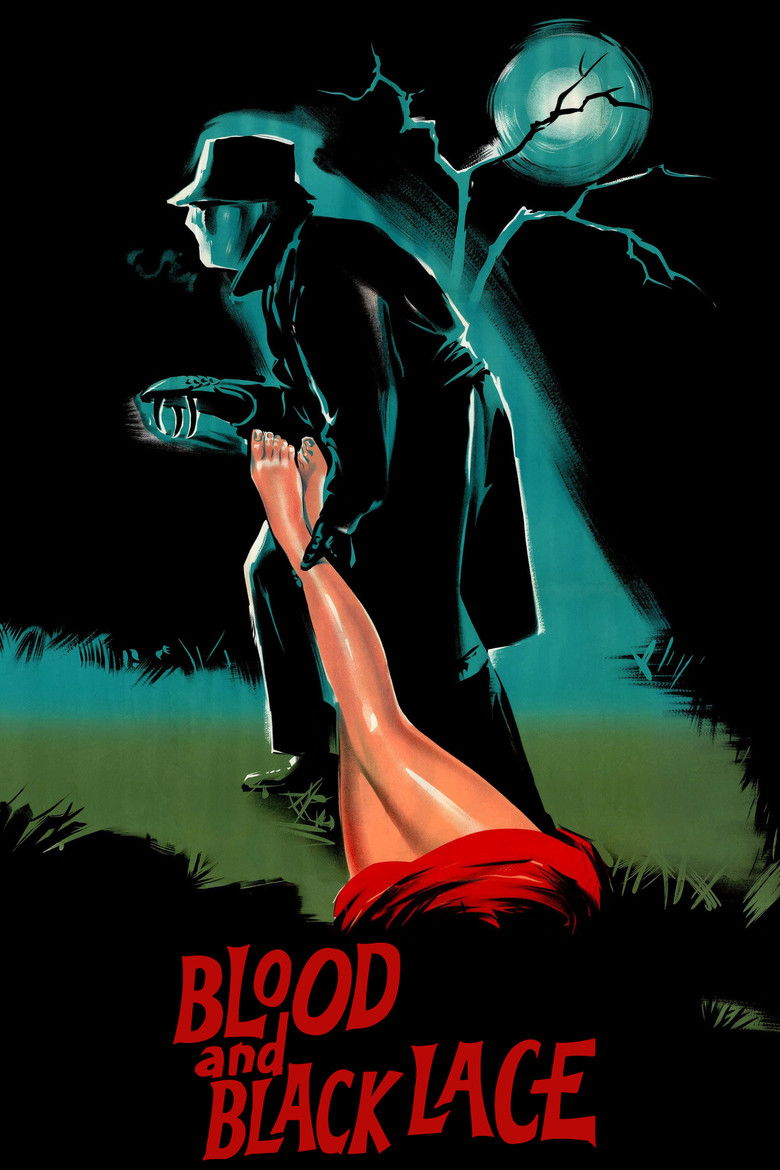
Blood and Black Lace 1964
Bava got there first, giving the giallo its fashion-house decadence and fetish for surfaces. He films beauty as contamination, and every later entry lives in its shadow.

Torso 1973
Sergio Martino's proto-slasher pushes the giallo toward pure body count and voyeurism. The extended near-silent climax is a genuine set piece.

Vixen! 1968
Russ Meyer's biggest early hit, a satirical roundelay of appetite that helped drag softcore into the mainstream. Faster and funnier than its imitators.
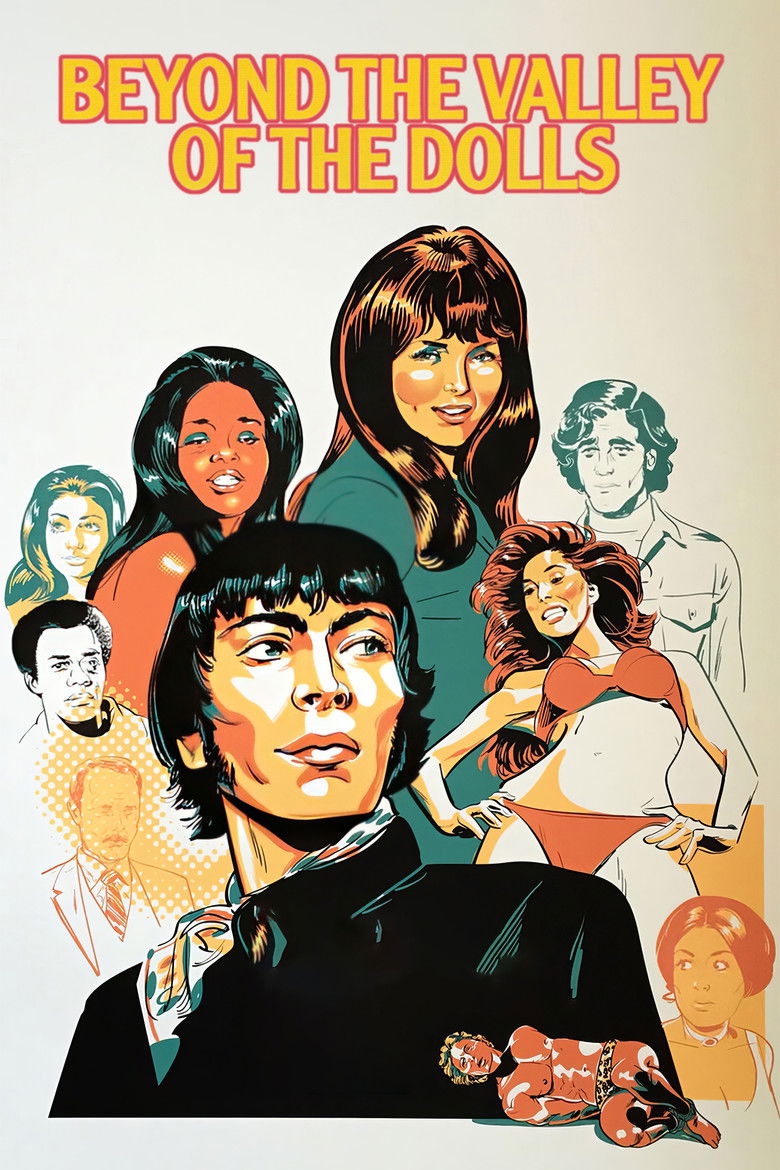
Beyond the Valley of the Dolls 1970
Meyer directs, Roger Ebert writes, and the result is a delirious rock-and-roll satire that plays every excess straight. A studio-funded fever dream like no other.

Caged Heat 1974
Jonathan Demme's directorial debut smuggles real wit and a feminist edge into the women-in-prison formula. Trashy on the surface, quietly subversive underneath.

Female Prisoner #701: Scorpion 1972
The Japanese women-in-prison landmark, turning Meiko Kaji's silent, vengeful Scorpion into an avenging icon. Stylized to the point of abstraction, and utterly cold.