
The 25 Best British Horror Movies
British horror is a national tradition with its own factories. Hammer put Universal's monsters into colour and gave them appetite, Amicus turned the anthology into a production line, and by the end of the 1960s the countryside had become the most dangerous location in the country: Witchfinder General, Blood on Satan's Claw and The Wicker Man drew the triangle folk horror still works inside.
Then the state got involved. The video nasty panic was a specifically British affair of seized tapes, prosecutions and a censor's office with a red pen, and the current wave keeps picking at that scar. 28 Days Later rebooted the modern genre on digital video, and Ben Wheatley, Peter Strickland, Rose Glass, Prano Bailey-Bond and Mark Jenkin have been arguing over the inheritance ever since. This list is ranked on critical standing, not nostalgia.
All films from United Kingdom ->
Watch these free right now


How this list was built
Ranking follows critical standing and influence rather than box office or loyalty to an era, which is why a 1945 portmanteau sits near a film shot on 16mm on a Cornish island. Where a title circulates differently in North America, both are recorded, because Hammer and AIP renamed almost everything on the way across the Atlantic.
Nationality is judged on production and financing, never on shooting location or accent. A co-production with Hollywood or with the Continent stays in when the film was made in Britain, by British crews, with British money. A paperwork credit is not enough.
Folk horror, giallo and the video nasties have their own lists on the site, so those currents are named here rather than re-argued. Every entry links to its film page, where the credits, the year and the watch options live.
The films on this list
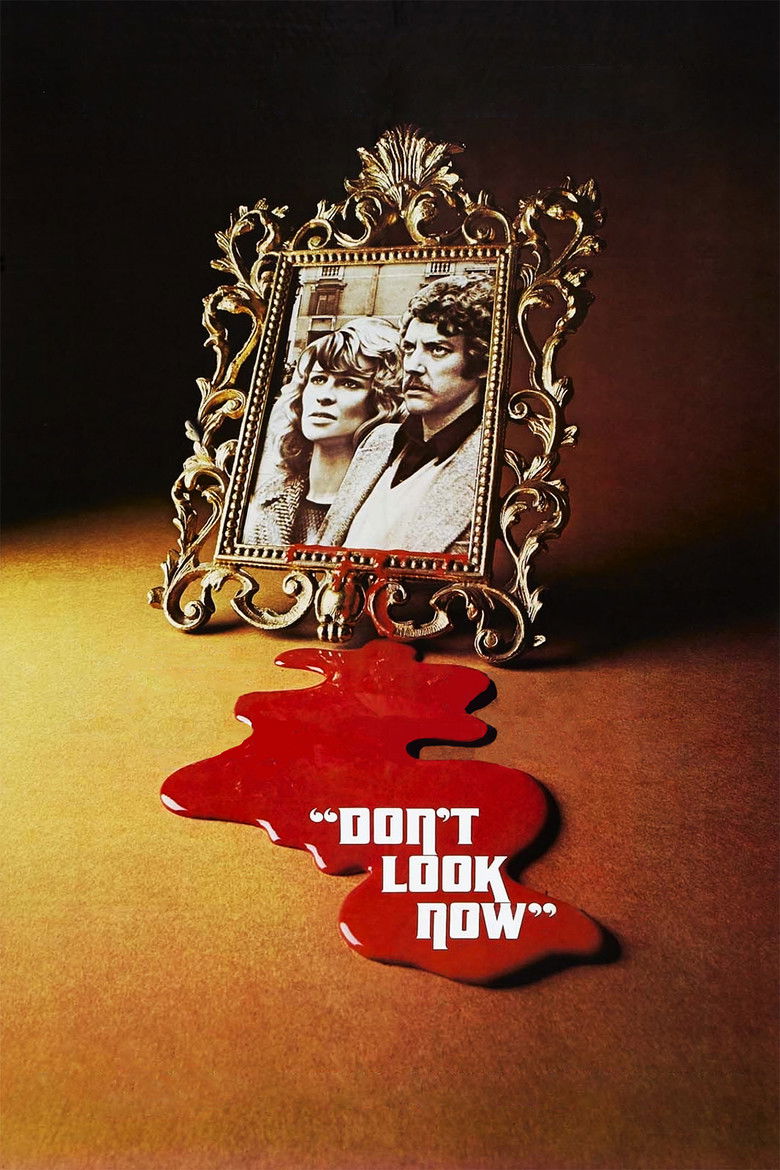
Don't Look Now 1973
Roeg cuts grief into shards and reassembles it out of order, so the film knows what happens before you do. Venice stops being a city and becomes a drowned maze where a father's rationalism is the fatal flaw.

The Wicker Man 1973
A police procedural that keeps breaking into song, until the songs turn out to be the trap. What the island harvests is Howie's Christian certainty, and none of it happens in the dark.

Peeping Tom 1960
The film that ended Powell's British career by handing the camera to the killer and making the framing an act the audience shares. Looking is never free here, and the cinema pays the bill.

The Innocents 1961
Clayton and Freddie Francis build a haunting out of deep-focus doubt, so the ghosts stay exactly as real as Miss Giddens needs them to be. Deborah Kerr plays repression as an act of care.

Dead of Night 1945
The portmanteau's founding document, and still the sharpest: five tales locked inside a dream that closes like a fist. Michael Redgrave's ventriloquist episode set the template for every evil-doll film since.

Witchfinder General 1968
Reeves strips the witch-hunt of any gothic alibi: Vincent Price plays Hopkins as a bureaucrat with a quota, and the violence is filed as paperwork. Cornered rage, made at 24 by a director dead at 25.

Repulsion 1965
Polanski's first English-language film turns a South Kensington flat into a body: walls that grasp, a rabbit rotting on a plate, Catherine Deneuve going quiet instead of loud.
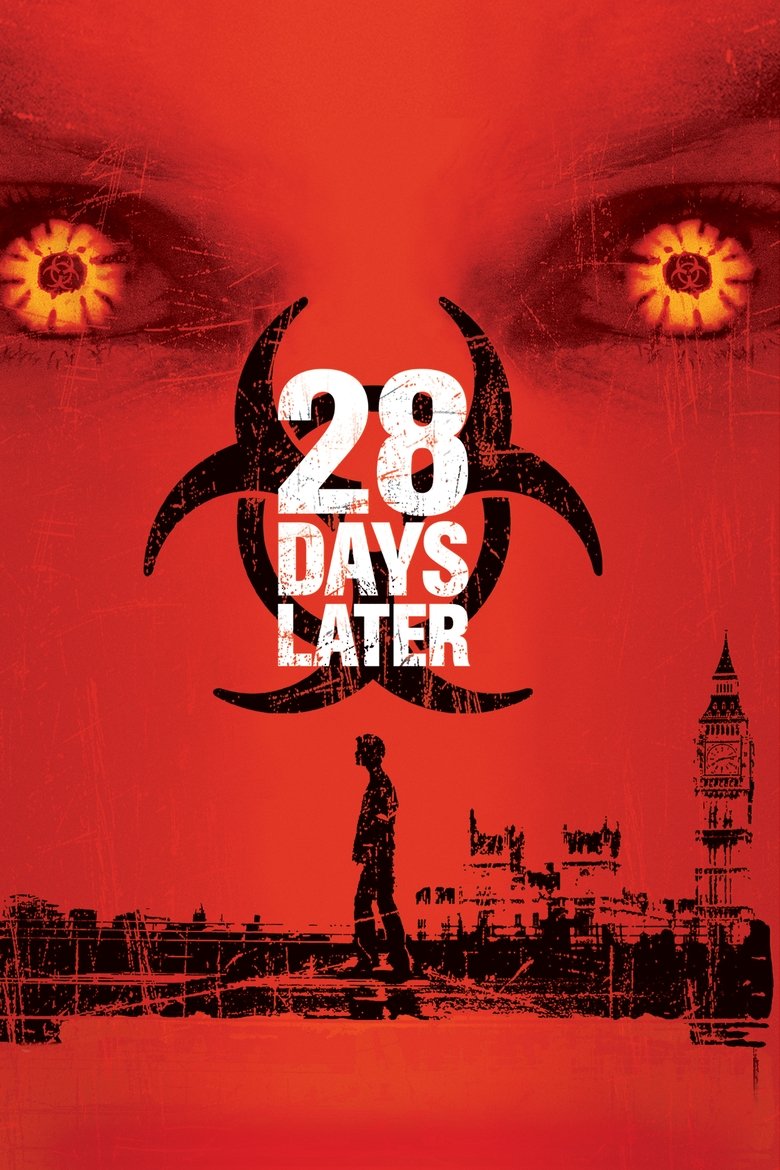
28 Days Later 2002
Shot on DV so the empty London looks stolen rather than staged, and it rebooted the whole genre the moment the infected started sprinting. The soldiers, not the dead, are the real third act.

Quatermass and the Pit 1967
Hammer's best science fiction argues that the Devil was a Martian and that London is built on the evidence. Nigel Kneale's script treats archaeology as an autopsy of the species.
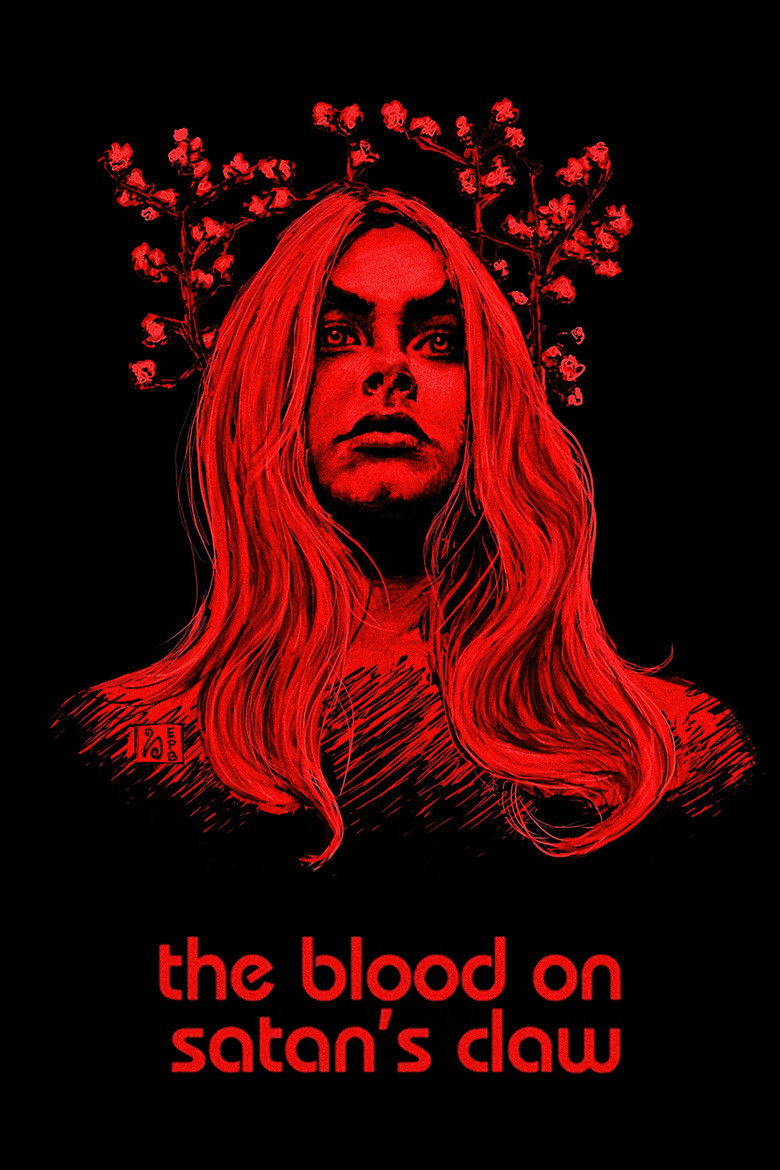
The Blood on Satan's Claw 1971
The folk-horror middle panel: a plough turns something up in the field and the village children organise around it. Haggard shoots the countryside as a jurisdiction where the law simply stops.

Dracula 1958
Colour, blood and Christopher Lee walking straight at the lens - Fisher took Universal's stately monster and handed him an appetite. Peter Cushing's Van Helsing makes vampire hunting into fieldwork.

The Curse of Frankenstein 1957
The film that made Hammer Hammer: gore in Technicolor, a Baron who is the actual monster, and Cushing playing him as impeccably rude. Fifteen years of British horror start here.

The Devils 1971
Russell stages possession as a state operation, with Oliver Reed's priest crushed between a fortified town and a convent in crisis. Censored for decades because it aims at institutions, not demons.

Under the Skin 2014
Glazer puts Scarlett Johansson in a van on real Glasgow streets with hidden cameras, then drops the abductions into something black and viscous. Horror as anthropology: a predator slowly acquiring a body.

The Devil Rides Out 1968
Christopher Lee plays the rescuer for once, holding a chalk circle all night while Charles Gray's cult works on the people inside it. Richard Matheson's script takes occultism dead straight.

An American Werewolf in London 1981
Landis makes the joke and the carnage share a single shot, and Rick Baker's transformation still sets the standard, executed in bright kitchen light. The rotting friend who keeps giving advice is the cruellest gag.

Hellraiser 1987
Barker rebuilds the haunted house around desire: the Cenobites do not punish, they provide a service. The real monster is upstairs wearing a skinned man, and pain and pleasure share one vocabulary.

The Descent 2005
Marshall lets the cave do the work for an hour before anything with teeth shows up, then locks six women in the dark with scores to settle. Grief and claustrophobia turn out to be one wound.

Kill List 2011
Starts as a kitchen-table marriage row, drifts into hitman procedural, ends somewhere folk horror had been waiting all along. Wheatley withholds every explanation and the last ten minutes are unbearable for it.

Saint Maud 2020
Glass films faith as an appetite: Morfydd Clark's hospice nurse wants sainthood and will renovate her own body to get it. The devotion is entirely sincere, which is what makes the last image intolerable.
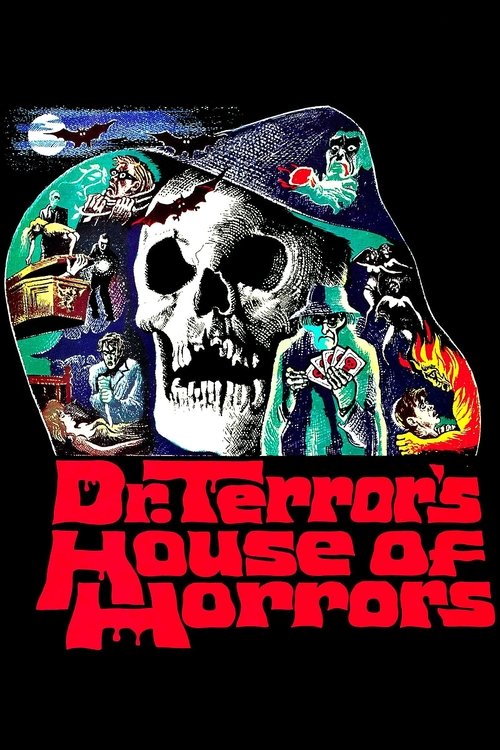
Dr Terror's House of Horrors 1965
The Amicus portmanteau's opening statement: five strangers, a train compartment, and Peter Cushing dealing tarot in a terrible accent. The killer plant episode is exactly as absurd and as good as it sounds.
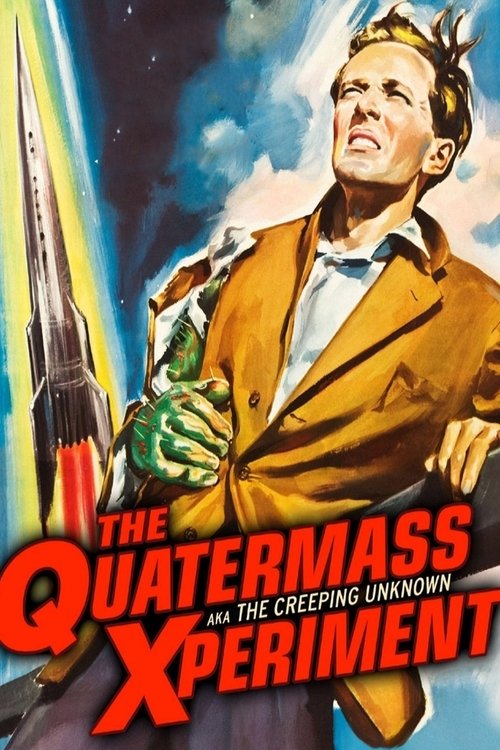
The Quatermass Xperiment 1955
The film that pointed Hammer at horror: an astronaut comes home and turns into something the state would rather classify than treat. Brian Donlevy's Quatermass is brusque, and the pity belongs to the man who mutates.
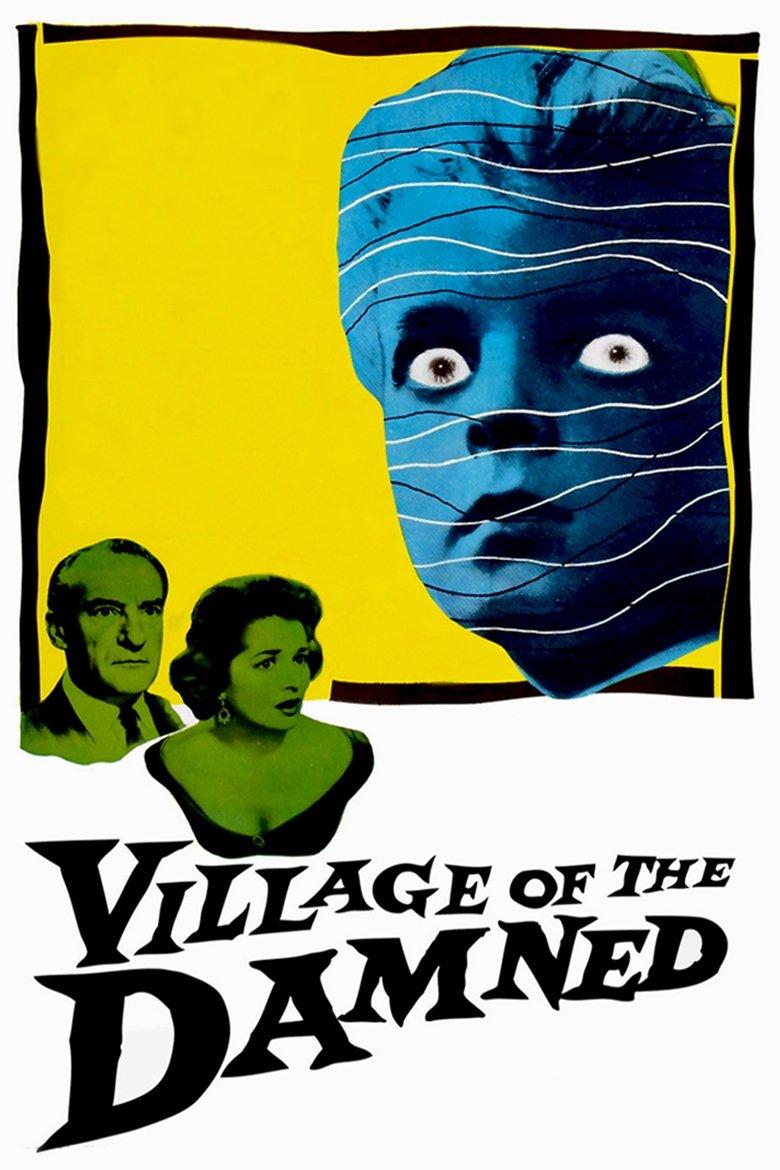
Village of the Damned 1960
The blond children of Midwich advance with their eyes glowing and the terror becomes municipal: a community negotiating with its own offspring. It ends with a man building a wall inside his head.

Death Line 1972
Sherman's tunnel cannibal is not a monster but Victorian labour abandoned underground, and Donald Pleasence's detective treats the case as an inconvenience. The long track through the lair is the whole thesis.
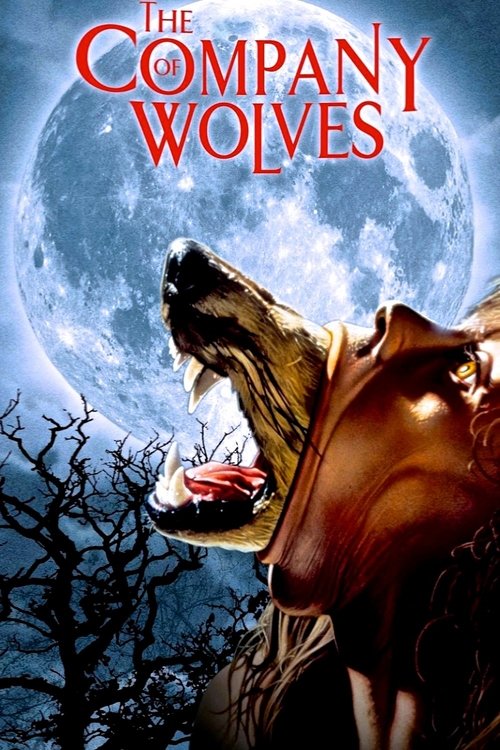
The Company of Wolves 1984
Jordan and Angela Carter run Red Riding Hood through a dreaming girl's head, and the werewolf arrives by tearing its own face off from inside. Fairy tale as sexual instruction manual.