

Best Body Horror Movies
Body horror is the genre's most direct insult to human exceptionalism. It says the body is not a stable home, not a moral category, and certainly not a trustworthy border. Flesh mutates. Organs rebel. Desire and disgust blur. Disease, technology, sex, reproduction, and identity all become ways of proving that embodiment is less reassuring than people like to pretend. The best body horror movies are not just gross. They are conceptually rude. They force a confrontation with the fact that change can be intimate, irreversible, and physically humiliating.
Watch these free right now


The best body horror movies are rarely content with simple disgust. They want to know what social pressure, erotic fear, medical intervention, or psychic damage does once it gets under the skin and starts rewriting the body's terms. Cronenberg built the cathedral, Tsukamoto electrified it, and Ducournau dragged it into the present with new hungers. The flesh remains unreliable, and that is the whole attraction.
The films on this list

The Fly 1986
Cronenberg makes mutation emotionally legible enough to hurt: an illness film and a doomed romance as much as a monster movie. Seth Brundle does not just transform, he decays in stages you can feel.

Videodrome 1983
Cronenberg extends body horror beyond biology into signal and ideology. Flesh opens, technology enters, and reality starts behaving like a tumor with a broadcast schedule.

Tetsuo: The Iron Man 1989
Shinya Tsukamoto turns industrial anxiety into a full-contact metal-flesh seizure. Body horror at its most abrasive, overwhelming the question of whether mutation is tragic or liberating.

Possession 1981
Zulawski's relationship apocalypse is body horror at its core: emotion spills into flesh, sexuality becomes monstrosity, and private breakdown takes material, slime-soaked form.

Raw 2017
Julia Ducournau ties transformation to appetite, adolescence, and family inheritance. Cannibalism is never cheap provocation here; it is identity becoming impossible to contain politely.

Titane 2021
Ducournau in a wilder, more tender register, fusing metal, pregnancy panic, and damaged kinship into something that should not cohere and does. Radical transformation with no order restored afterward.
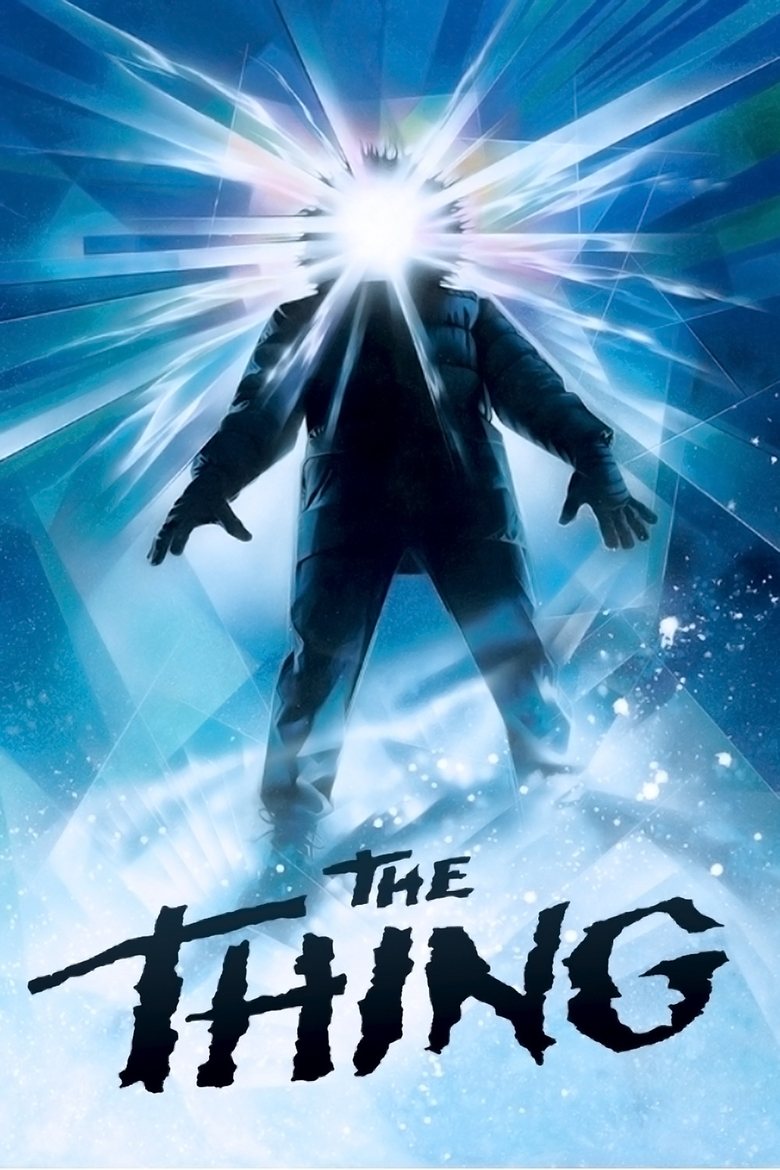
The Thing 1982
Carpenter and Bottin make flesh untrustworthy: a body can be a costume, and every transformation is an argument being lost about who is still human. The paranoia and the practical effects are one idea.
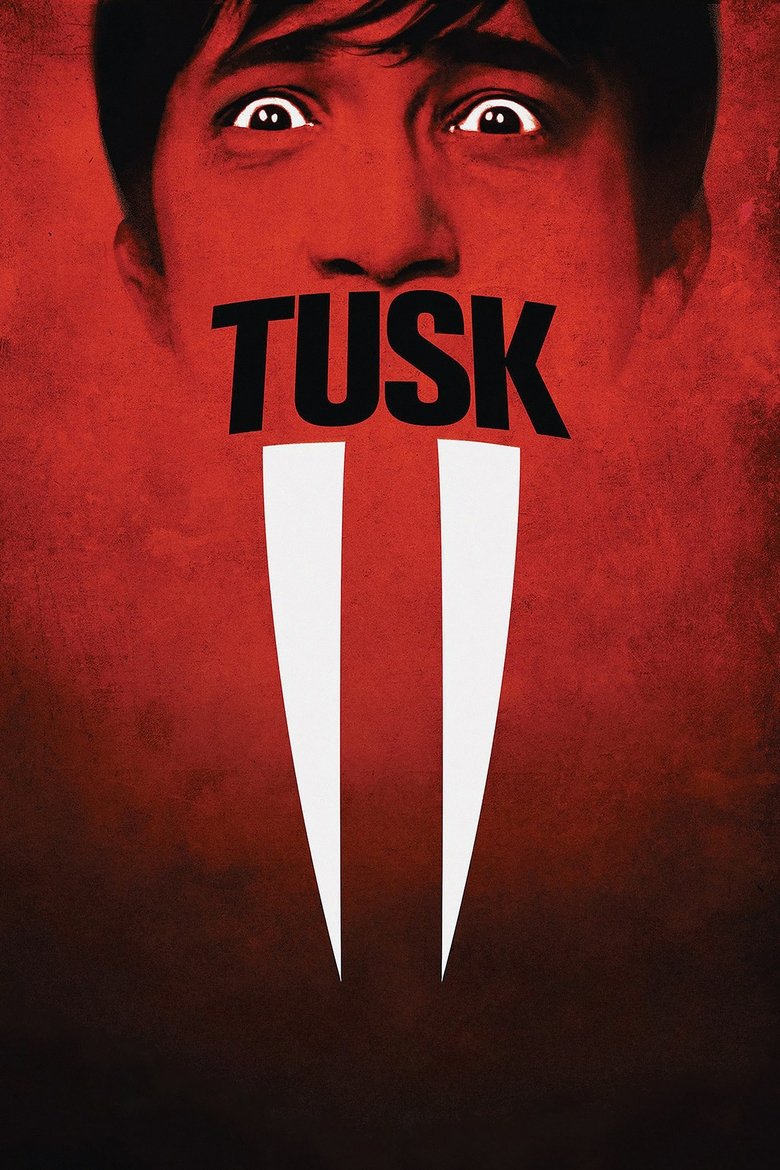
Tusk 2014
Smith turns a podcaster's smugness into surgical raw material, and the film is strongest when it stays the story of a man punished for how he talks about other people. Tonally erratic on purpose.

The Substance 2024
Fargeat pushes the ageing-actress premise until the body itself becomes the invoice, then keeps escalating past metaphor into the openly grotesque. It refuses the tasteful version of a subject usually handled tastefully.

Hellraiser 1987
Barker declines to separate pain from pleasure, which is why the Cenobites arrive as connoisseurs rather than monsters. Flesh is a medium for experience here, and desire is the actual hazard.
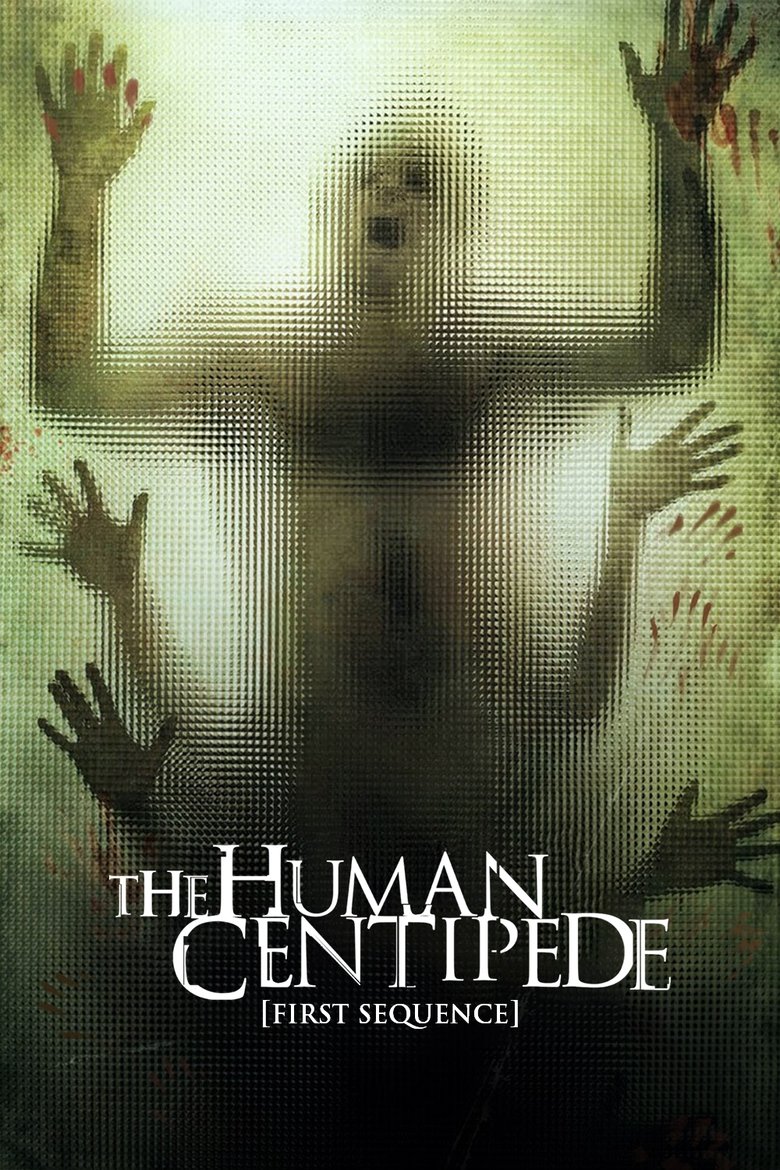
The Human Centipede (First Sequence) 2009
Six builds a film out of one surgical diagram and a clinician's vocabulary, and its force is administrative rather than gory: a procedure explained with slides, then carried out. Endurance cinema, Dutch and deadpan.
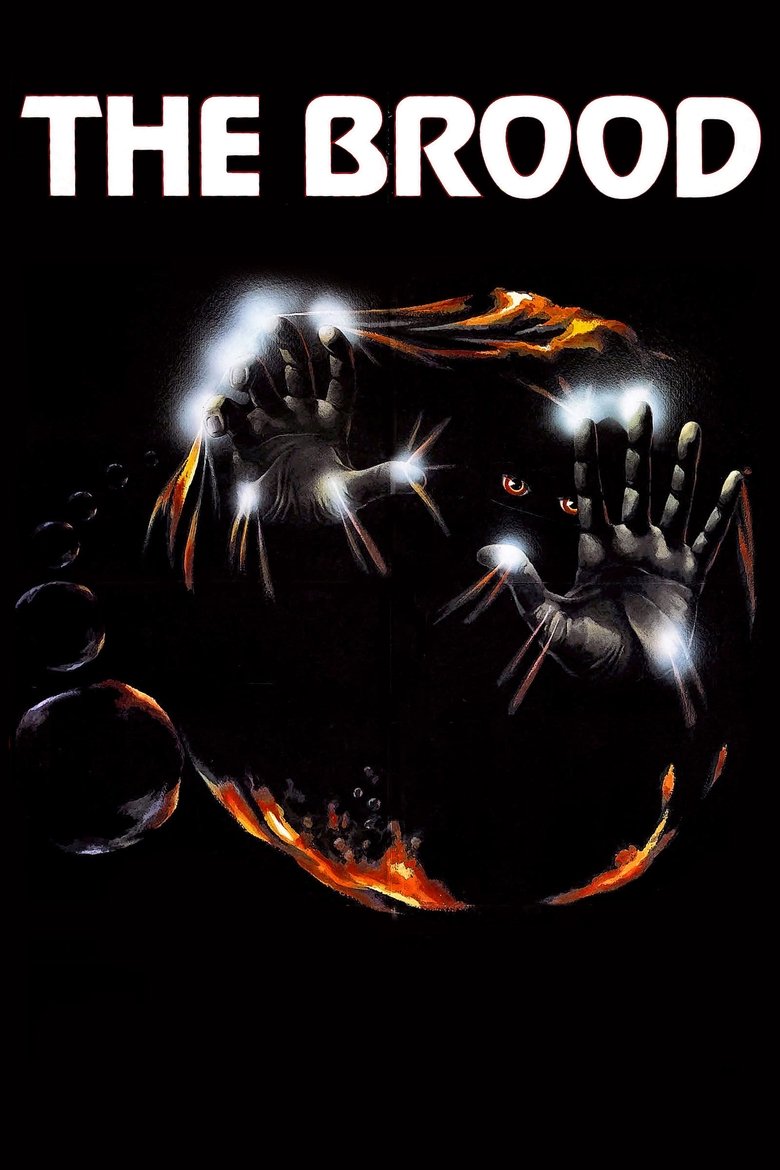
The Brood 1979
Cronenberg files his divorce through therapy jargon and lets rage become anatomy: a body encouraged to express itself starts producing growths on demand. Biology as ideology, and the coldest of his early work.

Re-Animator 1985
Gordon plays Lovecraft as farce, with Combs treating atrocity as career ambition and the gore landing on comic timing. Pulp with no appetite for dread: it wants you laughing at the anatomy.
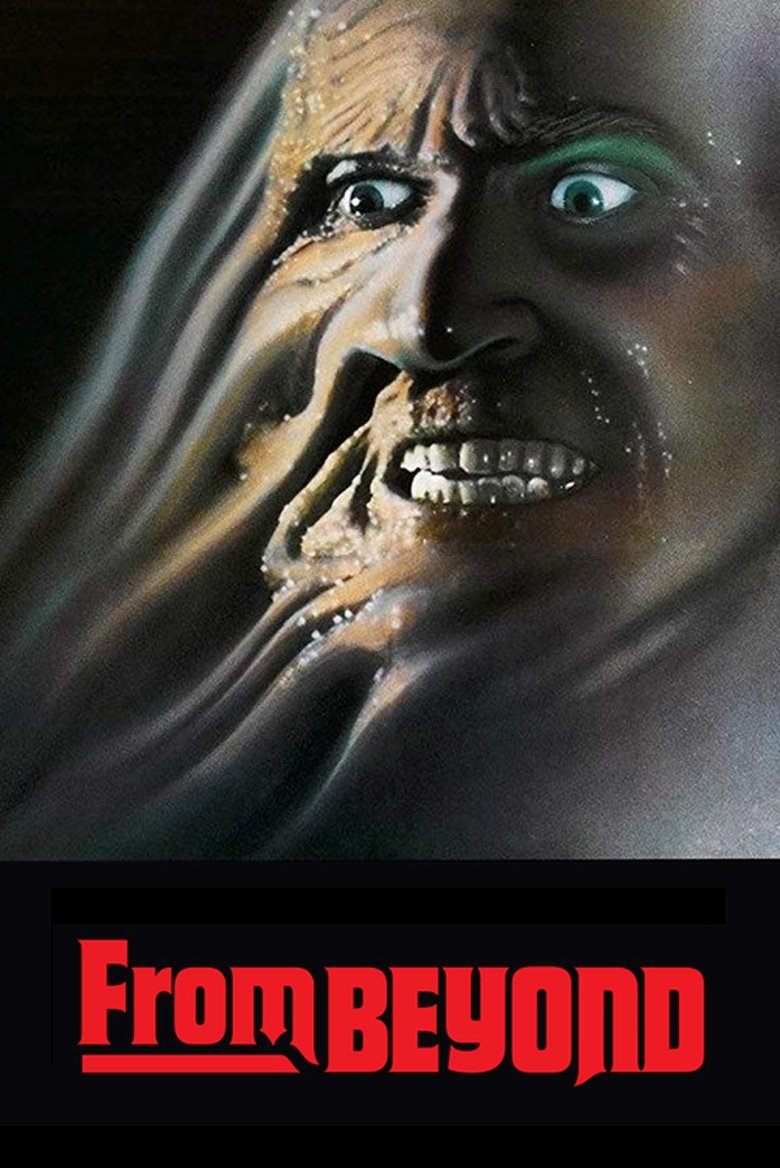
From Beyond 1986
Gordon's follow-up runs on glands: stimulate the pineal and appetite becomes visible, so the mutations track arousal instead of disease. Same crew, considerably more interested in what the body wants.

Slither 2006
Gunn's Troma training shows: the parasite plot is a pretext for a small town's bodies to swell, split and stay pathetically sentimental about it. Comedy and slime doing equal amounts of work.

Contracted 2013
England runs the whole film as a symptom log across three days, which makes the horror bureaucratic: a woman losing her body while everyone around her treats it as a lifestyle problem.

Crimes of the Future 2022
Cronenberg returns to his subject as an elder statesman: surgery as performance art, new organs as intellectual property, pain reclassified out of existence. Talky, arid, entirely serious about where flesh is headed.

Eraserhead 1977
Lynch reaches body horror through sound and dread rather than transformation, fusing fatherhood, industry and biology into one clammy environment. Nothing gets explained and the anxiety stays entirely physical.

In My Skin 2002
De Van directs and stars, treating her own body as an object she has stopped recognising, which puts this on the side of dissociation rather than spectacle. The horror is the surrounding calm: work continues, dinners continue.

Society 1989
Yuzna starts from straight class satire and settles it literally: the rich consume the bodies beneath them, rendered in prosthetics stretched like taffy. The metaphor is not buried, it is served at a party.

An American Werewolf in London 1981
Rick Baker's transformation is why it belongs here: bones lengthening in real time, in full light, with the victim narrating his own pain. Landis keeps the comedy running until the body wins the argument.