

The 25 Best Argentinian Horror Movies
Argentine horror grew up in a country that spent the late 1970s making people disappear, and the genre never pretended otherwise. The state is the monster's landlord here: bodies that cannot be found, neighbours who saw nothing, houses that hold evidence, files that go missing. That substrate runs from Gustavo Mosquera's vanished subway train to Demian Rugna's rural possessions, and it is why these films land harder than their budgets should allow.
The industry around them is real, not accidental. Adrian Garcia Bogliano's 2000s low-budget run proved a horror film could be shot in La Plata for nothing and sold abroad. Buenos Aires Rojo Sangre and Mar del Plata's genre sidebar gave those films an audience at home. Rugna's Terrified and When Evil Lurks then made Argentina the most exportable genre industry in the Spanish-speaking world. The apartment block is its signature set: five floors, thin walls, everyone listening.
How this list was built
Ranking is on critical and historical standing: what the film did for Argentine genre cinema, how it holds up, and whether anyone outside the country had to reckon with it. Festival record at Mar del Plata, Buenos Aires Rojo Sangre, Sitges and Fantasia counted, as did the long tail of home-video and streaming reputation, which in Argentina often matters more than the theatrical run.
Co-productions were treated by authorship and origin, not by the funding list. An Argentine director working with Mexican or French money is Argentine cinema; a film that borrowed a Buenos Aires location and a local tax credit is not. Where a film premiered on the festival circuit one year and reached Argentine screens the next, it is filed under the year it is normally catalogued, with the discrepancy flagged on the entry.
Titles carry their Spanish originals, because several of these films circulate under two or three different English release names depending on the distributor. Positions in the lower half will shift as pages are enriched. The top is settled.
The films on this list
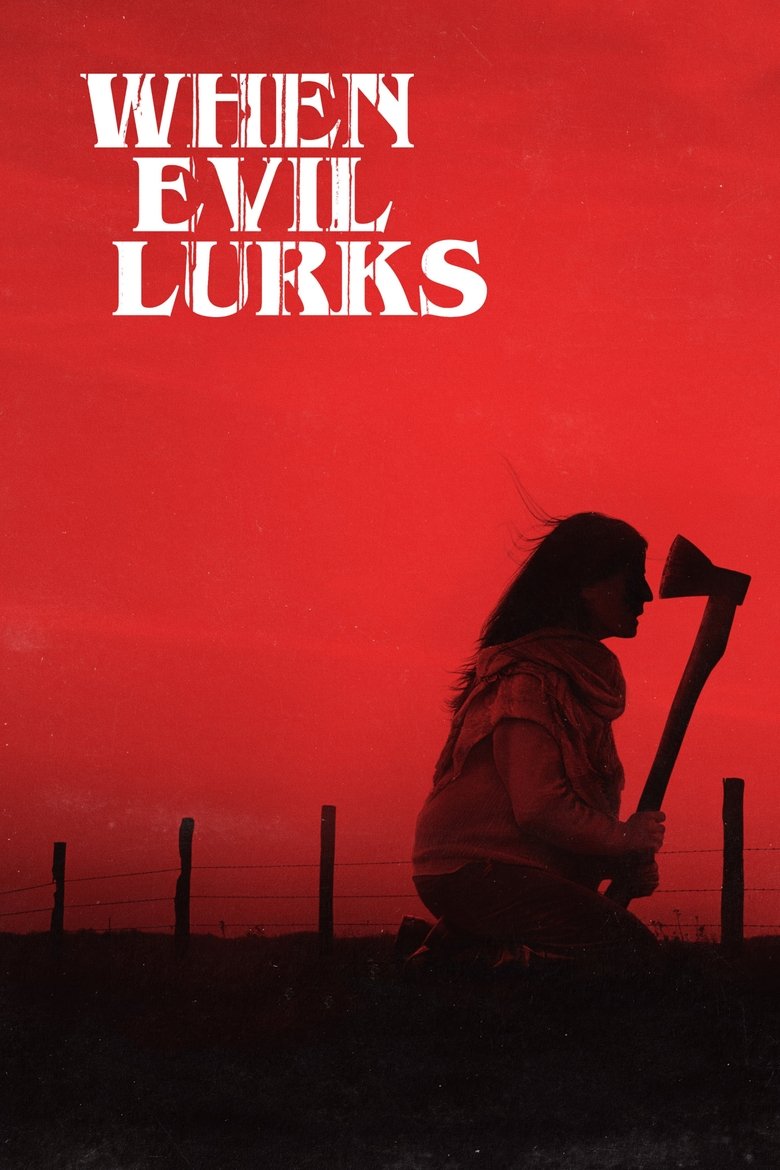
When Evil Lurks 2023
Rugna builds possession as contagion, with rules nobody explains and everybody breaks, then punishes the audience for hoping. The most brutal Argentine genre film of the decade, and the most disciplined.

Terrified 2018
Four houses on one Buenos Aires block, each broken a different way, and a set-piece that turns a kitchen table into the worst thing you have seen this year. Rugna's breakout earned every bit of it.
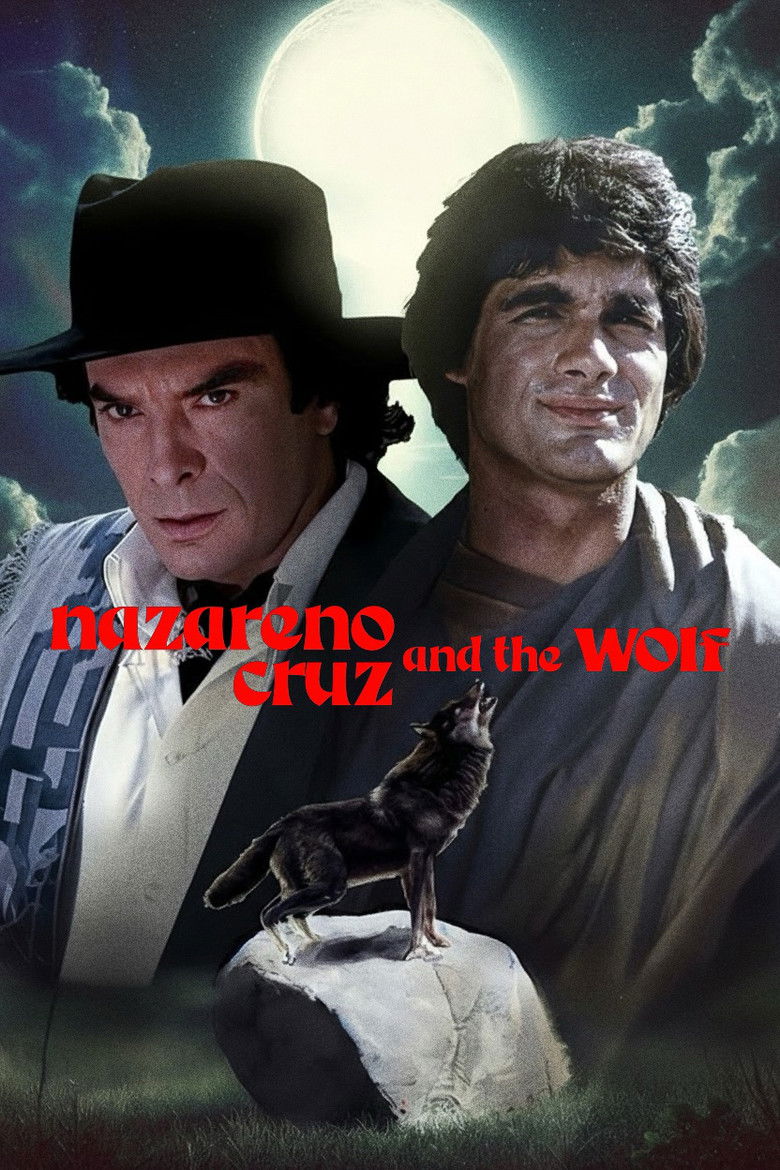
Nazareno Cruz and the Wolf 1975
Favio turns the lobison legend into folk melodrama with real teeth: seventh son, full moon, love as the trap. It outsold everything in Argentine cinemas and still plays as myth rather than monster picture.

Murder Me, Monster 2019
Fadel films Andean police procedure until the landscape starts behaving like an organ. Decapitated women, a monster shaped like the worst thought a man has had, and no explanation offered anywhere.

Cold Sweat 2010
Two old men in a rotting Buenos Aires house guard nitroglycerin and the habits of the death squads they served. Bogliano makes the dictatorship's leftovers literally explosive.
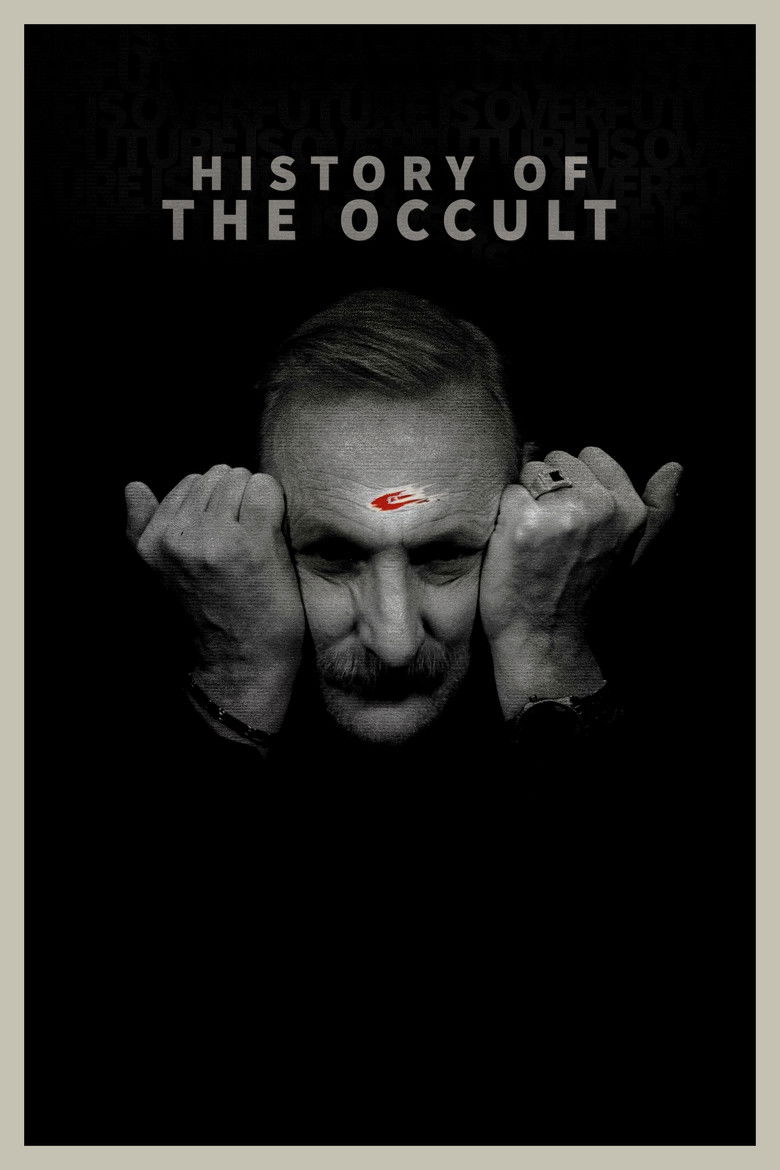
History of the Occult 2023
A live 1980s current-affairs broadcast tries to name the sorcery behind the government and runs out of air time. Ponce shoots conspiracy as television: studio grain, dead pauses, rising panic.

The Returned 2019
Casabé sets Guarani ritual against a Misiones estate and lets the colonial ledger come due. The dead child comes back, and the landowners learn whose land the magic actually answers to.

Moebius 1996
A train vanishes on the Buenos Aires underground and the bureaucracy would rather it stayed vanished. Made with film students on nothing, it is the sharpest thing anyone shot about the disappeared.

Legions 2022
Forte locks a Misiones sorcerer in a psychiatric ward while his daughter has forgotten she inherited the job. The film jokes, then stops joking without warning. Germán de Silva is superb in it.
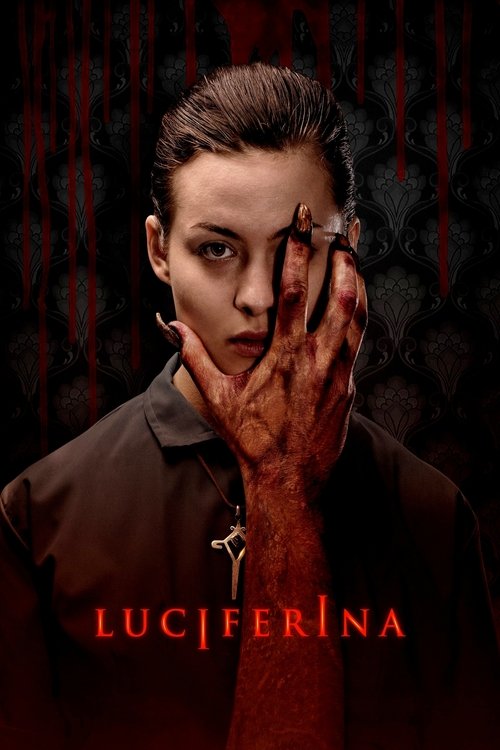
Luciferina 2018
Calzada takes a novice out of the convent, through ayahuasca, and down into something older than the Church she trained for. Sofía Del Tuffo holds the whole ugly descent together.

The Virgin of the Quarry Lake 2026
Casabé lets adolescent jealousy loose during the 2001 collapse and hands witchcraft the things teenage girls are not allowed to do. Heat, debt, and a spell cast for entirely petty reasons.

Penumbra 2012
A Buenos Aires apartment, a real-estate agent who despises everyone in the city, and a solar eclipse her visitors have plans for. The Bogliano brothers make contempt itself the horror engine.

Rooms for Tourists 2004
Five women miss a train and take a room in a town that treats them as inventory. Shot in black and white on almost nothing, it is where the 2000s Argentine wave announced itself.
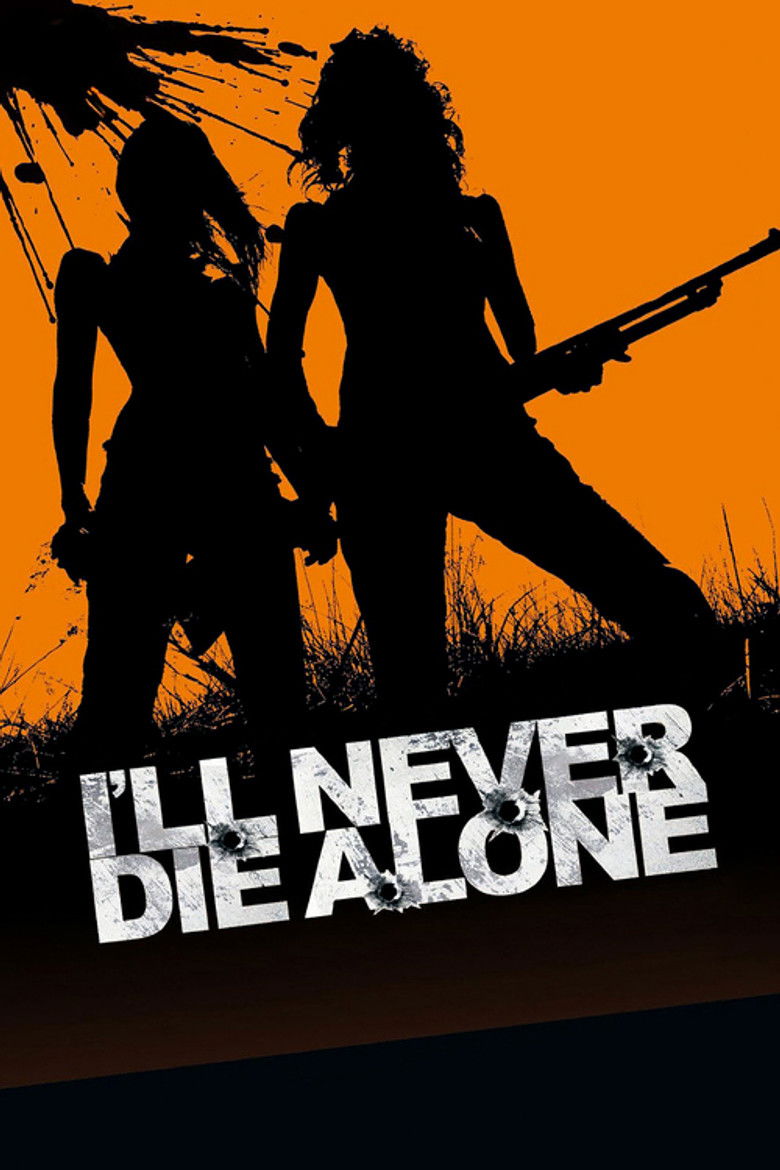
I'll Never Die Alone 2008
Bogliano's rape-revenge is stripped to gravel roads, bad decisions and reprisal that arrives without music. Ugly on purpose, and far better built than its reputation suggests.

The Funeral Home 2021
A family lives above the parlour and negotiates with its ghosts like difficult relatives. Ojeda plays the haunting for domestic friction first, then uses it to expose the father.

Plaga zombie 1997
Made by teenagers in Haedo on VHS gear with nobody's permission, and it founded the Argentine DIY splatter lineage single-handed. Wrestling moves, corn syrup, total commitment.

Phase 7 2010
Quarantine comedy set entirely inside a sealed apartment block, with Federico Luppi as the neighbour who has waited years for civilisation to fail. Sharper after 2020, not softer.

The Intruder 2021
Meta films a dubbing artist whose sleep starts leaking into her voice work. Sound design does the haunting here, and Erica Rivas plays exhaustion as a form of possession.
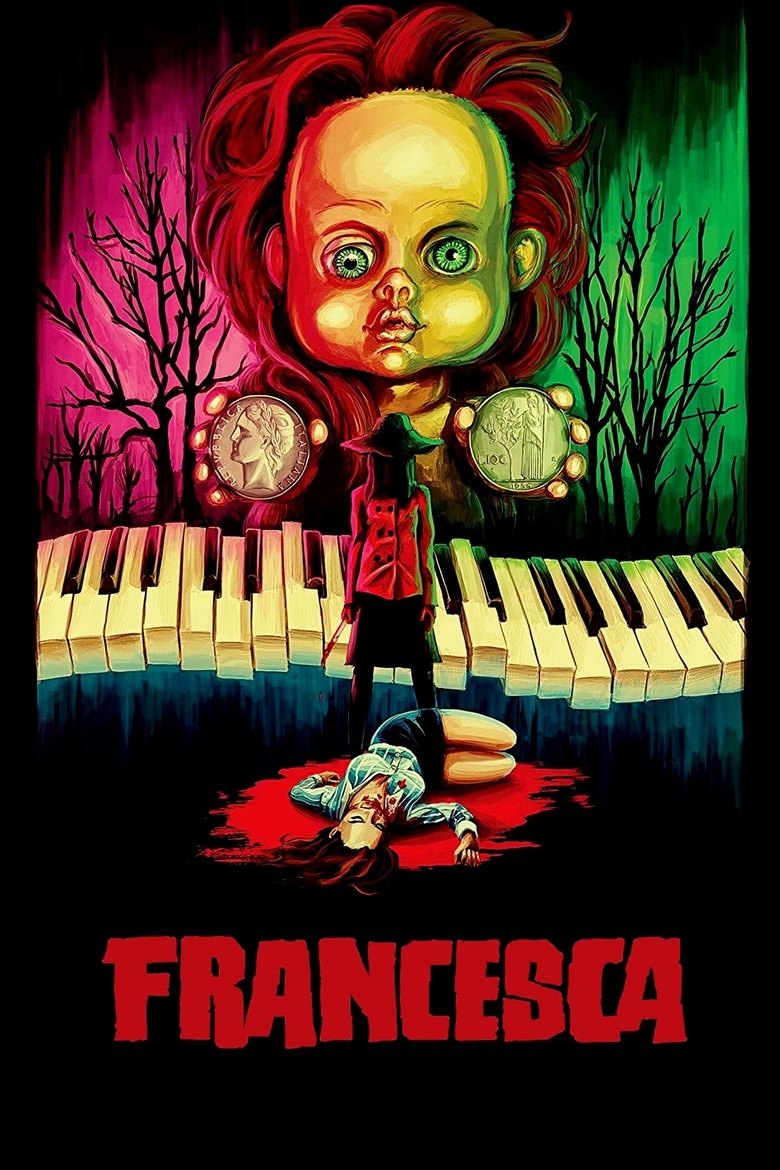
Francesca 2017
Onetti shoots an Argentine giallo so faithful to 1974 Italy that the grain, the gloves and the score all pass inspection. Pastiche executed with genuinely unnerving patience.

Deep Sleep 2013
Sixty-seven minutes of gloved point of view, black wine and Morricone pastiche composed by the director himself. Argentina's giallo revival starts here, and it starts in Italian.

Abrakadabra 2018
The Onetti brothers move the giallo into a stage magician's family and let the tricks do the killing. The loudest and most colourful of their three, closest to Argento's own excess.

The Curious Dr. Humpp 1969
Vieyra's mad scientist harvests sex as fuel for immortality, and the export cut piled on footage nobody in Argentina shot. Delirious, and the best door into Argentine sexploitation.

Blood of the Virgins 1967
Vieyra puts vampires in the Patagonian lake district with a beat soundtrack and enough skin to get him arrested. The first Argentine horror film that looks like pop culture.
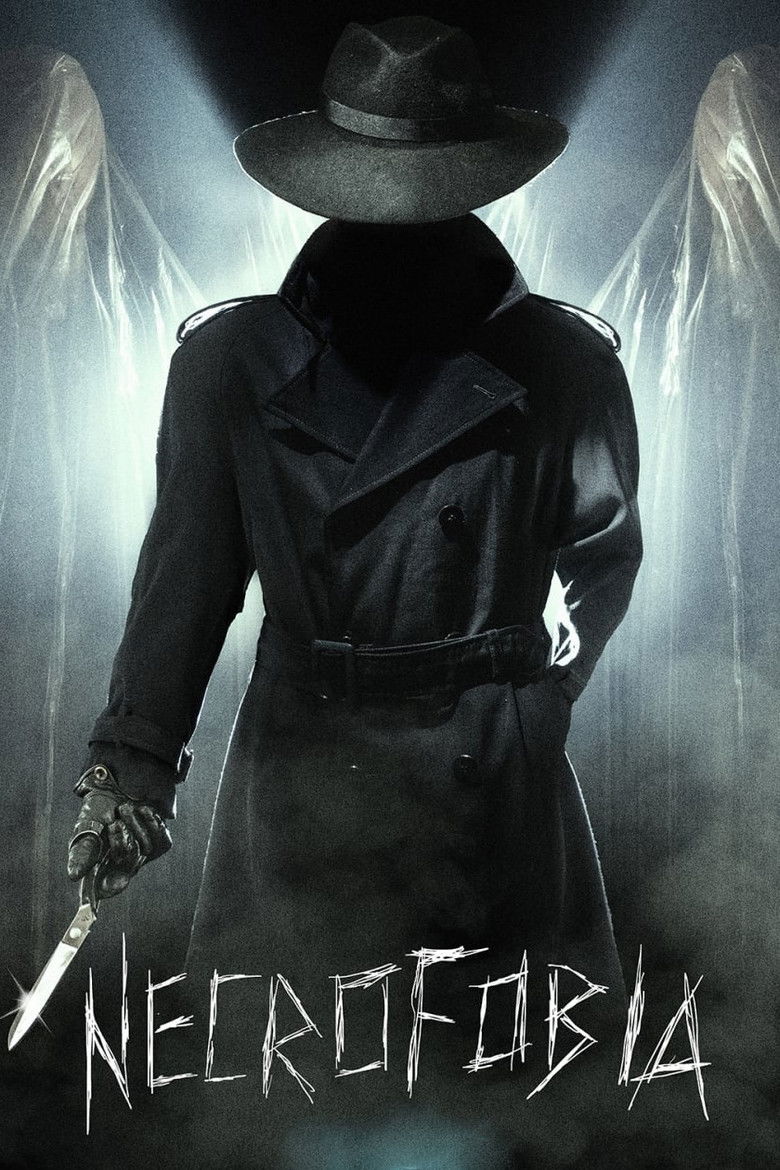
Necrofobia 2014
A tailor buries his twin and begins seeing him in every mirror in the shop. De la Vega works in 3D and old-school suspense, closer to Bava than to anything shot on a phone.
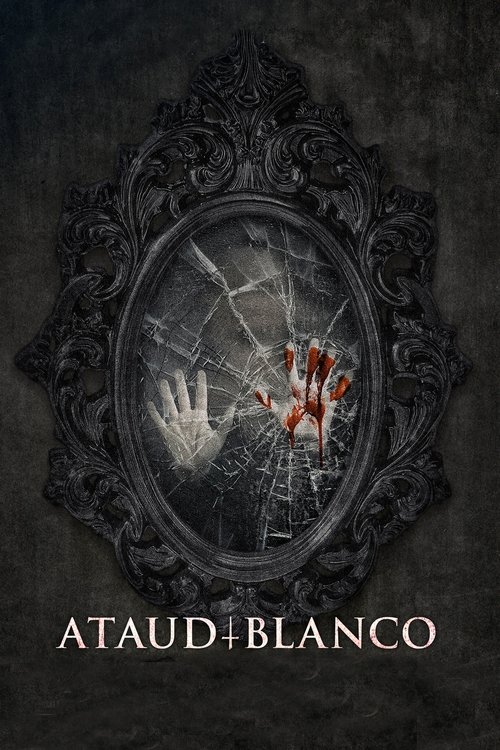
White Coffin 2016
A mother has a fixed number of hours to take her abducted daughter back from a sect, and the road gives her nothing for free. De la Vega's tightest and meanest picture.