Best 1990s Horror Movies
The 1990s horror story is usually told too simply. People remember a post-slasher slump, then a late-decade meta revival, and leave it there. The decade deserves better. The best 1990s horror movies include grim art-house experiments, procedural nightmares, psychological ruin, and one or two mainstream hits that genuinely altered the genre's vocabulary. It was a transitional era, which is exactly why it produced such unstable and interesting work.
The best 1990s horror shows a genre mutating under pressure: prestige thrillers brushing against horror, international cinema widening the frame, meta-slasher wit arriving just as found footage prepared to wreck realism from another angle. The decade can look uneven from a distance, but up close it is full of sharp transitions and surprisingly deep cuts.
The films on this list

Candyman 1992
Rose builds it from urban legend, race, housing politics and desire, then lets all of it thicken into one of the decade's great supernatural tragedies. Stylish enough to seduce and angry enough to scar, with Tony Todd's voice doing the rest.

Cronos 1993
Del Toro's debut is a vampire film about antiquity, blood and spiritual corrosion. It announces a 1990s mode that was elegant, tactile and attentive to family ties without ever turning timid or reverent.

Cure 1997
Kurosawa turns the serial-killer investigation inside out, using procedural logic only to expose its limits as suggestion and social vacancy dissolve any stable motive. Few 1990s horror films are this quiet or this corrosive.

Scream 1996
Craven did not just revive the slasher, he made self-awareness newly commercial without letting it turn bloodless. The film knows the rules and still enjoys breaking bodies with them, a mix that reset the late-decade market.

Audition 2003
Miike moves from melancholy social ritual to total sadistic revelation with terrifying calm. The patient first hour earns the second, turning male fantasy into a surgical trap that never once apologizes.

The Blair Witch Project 1999
Found footage had ancestors, but this is where the mode became modern fact. Myrick and Sanchez make disorientation, amateur media and missing explanation feel commercially viable, and the whole next decade heard the echo.

The Silence of the Lambs 1991
Demme films institutional power as corridors Clarice must walk while men appraise her, and the genre collects its Oscars without losing its teeth. Prestige and dread turned out to be entirely compatible.

Misery 1990
Reiner holds it to two rooms and a contract dispute, Kathy Bates converting readership into ownership. The decade opens by proving King works best when the threat stays domestic and completely possible.

Jacob's Ladder 1990
Lyne applies perfume-ad craft to a veteran's unravelling, subway light and shutter tricks doing what dialogue refuses. American cinema was still processing Vietnam, and horror got there by the strangest route.
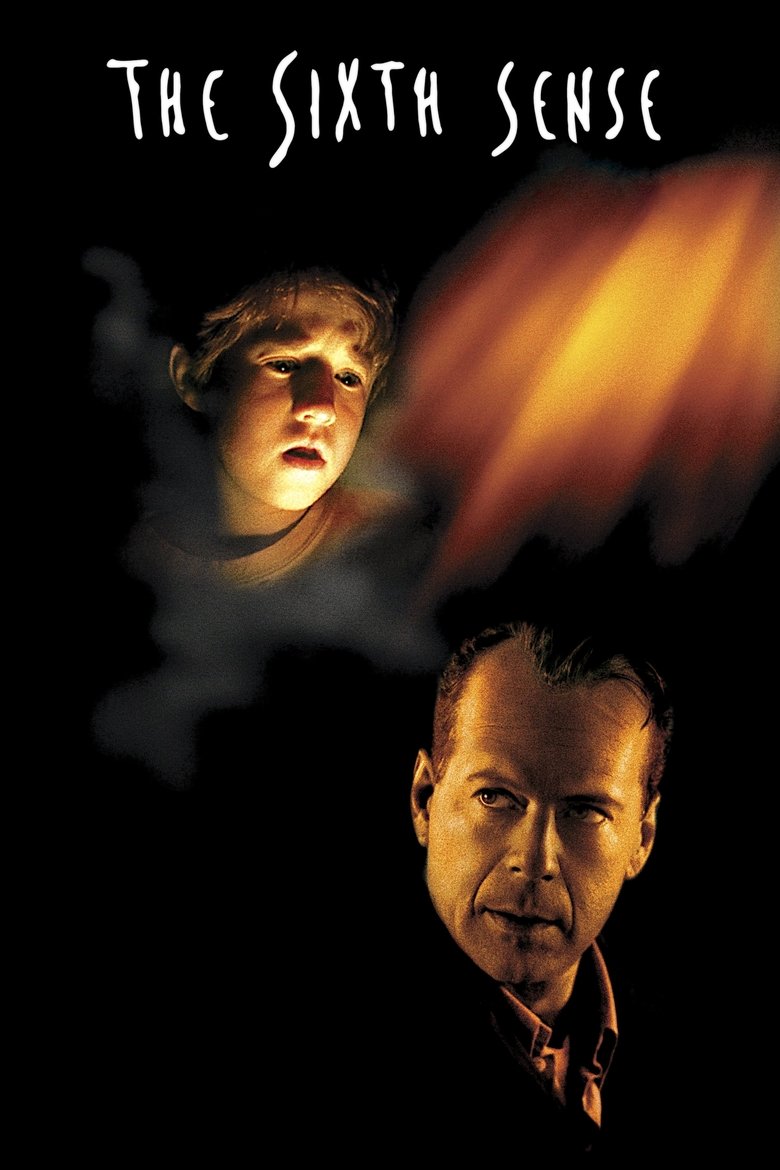
The Sixth Sense 1999
Shyamalan wins on patience and blocking, treating a child's fear as a clinical case before conceding anything to the supernatural. A quiet adult ghost film out-earning the slasher revival reset the studio maths.

Army of Darkness 1992
Raimi closes the trilogy as a Harryhausen tribute with a jerk for a hero, and slapstick finally beats gore on points. Studio money bought the crowd scenes the first two films could only imply.
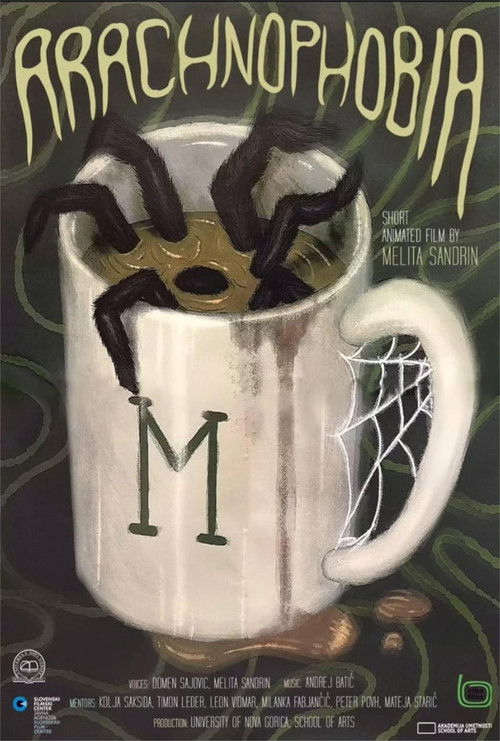
Arachnophobia 1990
Marshall calibrates it as a thriller of infestation, small-town medicine against something with no motive, and the Amblin polish makes the crawling worse. Studio horror in 1990 needed a comedy exit, so one is built in.

Tremors 1990
Underwood makes a monster picture out of labour and terrain, two handymen reading the desert like a job site. It failed in theatres and became a rental hit, the clearest lesson of the video decade.

Braindead 1992
Jackson pushes splatter until it becomes engineering, with a mother-and-son dependency played completely straight. New Zealand funding allowed what no American studio would have signed off in 1992.

Bram Stoker's Dracula 1992
Coppola rebuilds the story with in-camera tricks from 1900, arguing that cinema and the vampire were born the same week. Its box office told studios that literary horror could carry a spectacle budget.
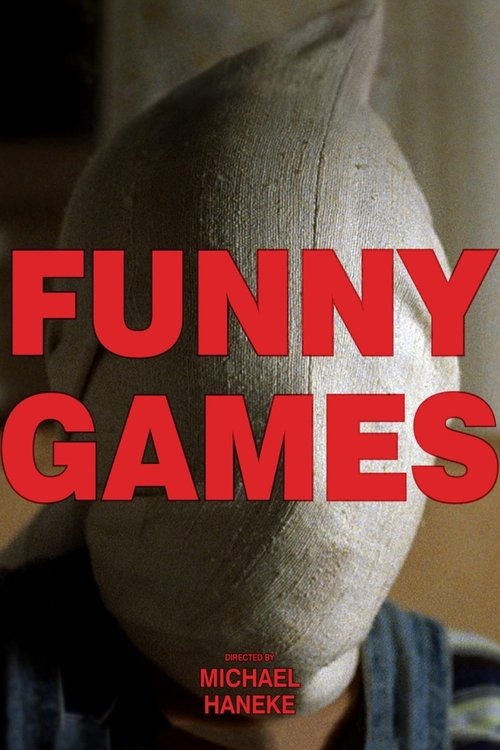
Funny Games 1997
Haneke withholds the pleasure the genre is built on and hands the audience the bill instead. Austrian art cinema calling the 90s thriller to account, and the accusation has not aged out.
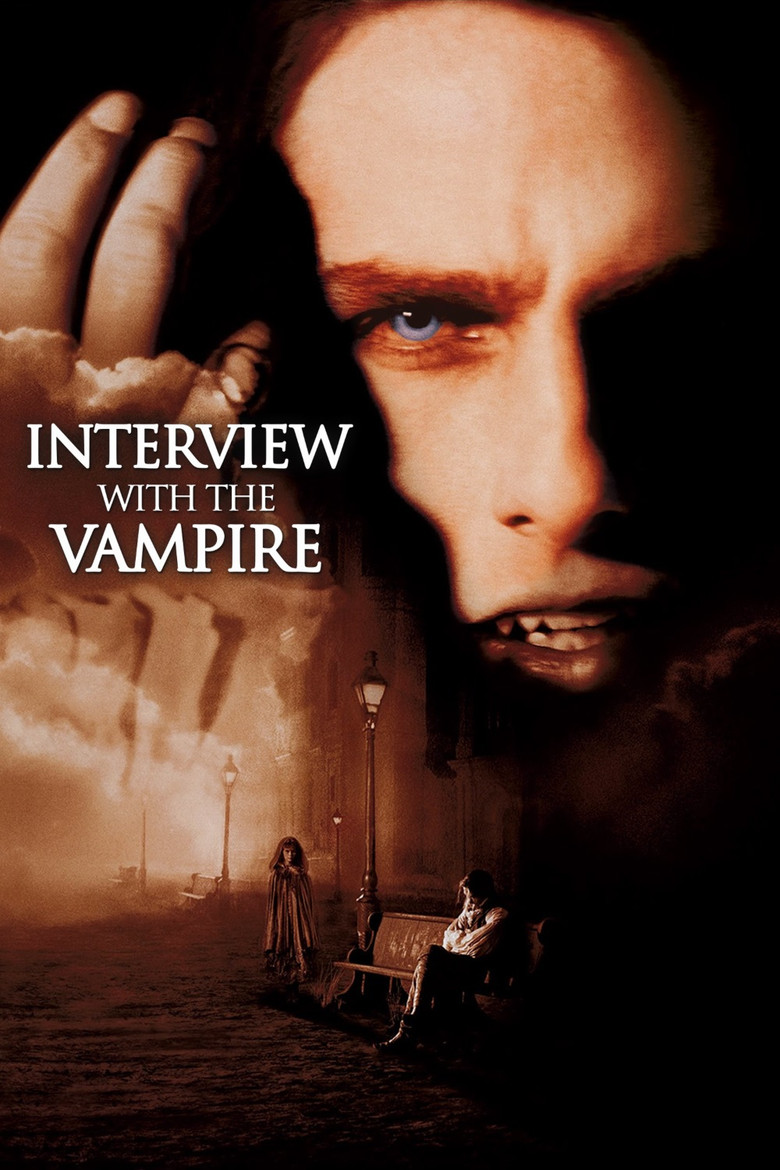
Interview with the Vampire 1994
Jordan treats immortality as a long domestic argument about custody and boredom, candlelight standing in for centuries of resentment. Rice's readership made the vampire a franchise property again.
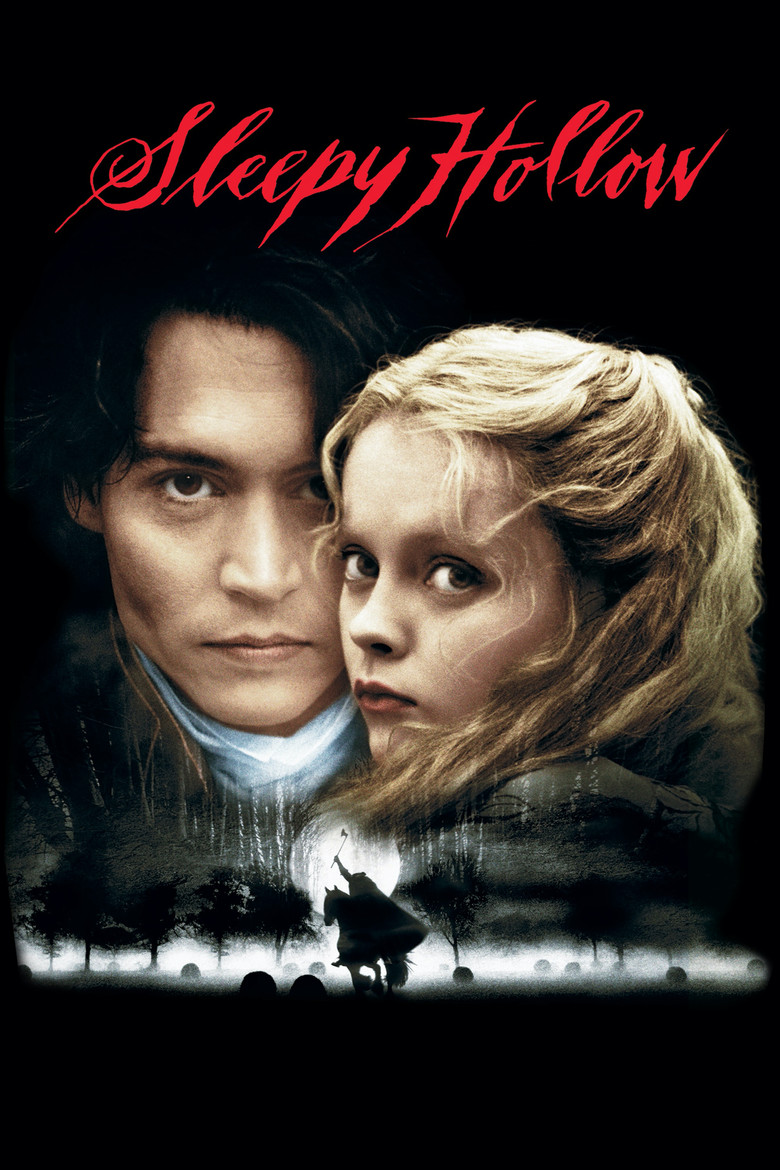
Sleepy Hollow 1999
Burton shoots Irving as a Hammer film with money: milk-white fog, engraved sets, and Depp playing reason well out of its depth. Late-90s studios were funding design-led horror, and few films hold a palette this strictly.
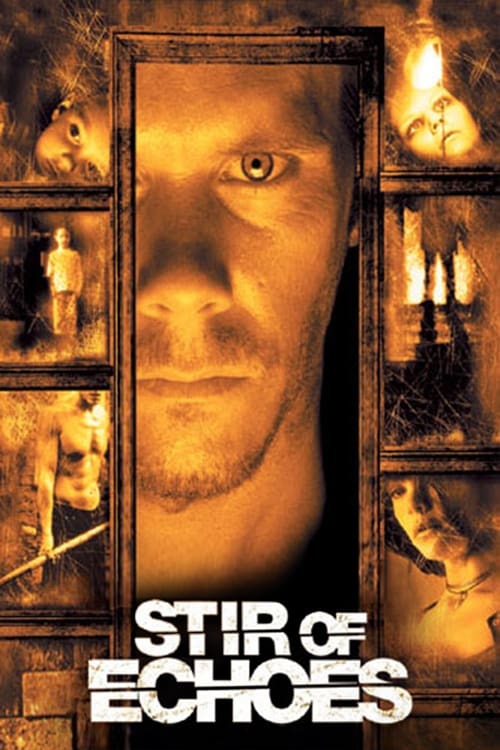
Stir of Echoes 1999
Koepp builds his haunting out of a working-class block, one hypnosis session and a marriage under strain. Released weeks from a phenomenon, it has better craft than its reputation, and the class detail dates best.

Mimic 1997
Del Toro's insect is an engineering failure with wings, entomology meeting municipal decay under the subway. The studio recut it, and the fight over that cut says everything about how the 90s handled genre auteurs.

Se7en 1995
Fincher makes procedure itself the horror, a city of rain and paperwork where detection only confirms how late everyone is. Its last act licensed a decade of thrillers that could not match the nerve.