Best 1980s Horror Movies
The 1980s turned horror into a larger industry without flattening its imagination. VHS changed circulation, practical-effects artists became stars, slashers became routine, and body horror found an audience big enough to justify truly revolting craftsmanship. But the decade was never just sequel culture and mascot villains. The best 1980s horror movies range from prestige eeriness to punk splatter to metaphysical breakdown. What they share is formal confidence. The genre knew it could sell, so directors used that leverage to get stranger.
Watch these free right now

The best 1980s horror proves commercial expansion did not have to mean timidity. The decade built franchises, but it also pushed practical effects, dream logic, body panic, punk velocity and prestige eeriness into the same broad marketplace. Horror got bigger because it got more various, and the era still feels like a laboratory nobody bothered to clean.
The films on this list

The Shining 1980
Kubrick opens the decade with a hotel that seems to generate repetition on its own, one of the era's supreme demonstrations of architectural dread. His frames do not house madness so much as produce it.
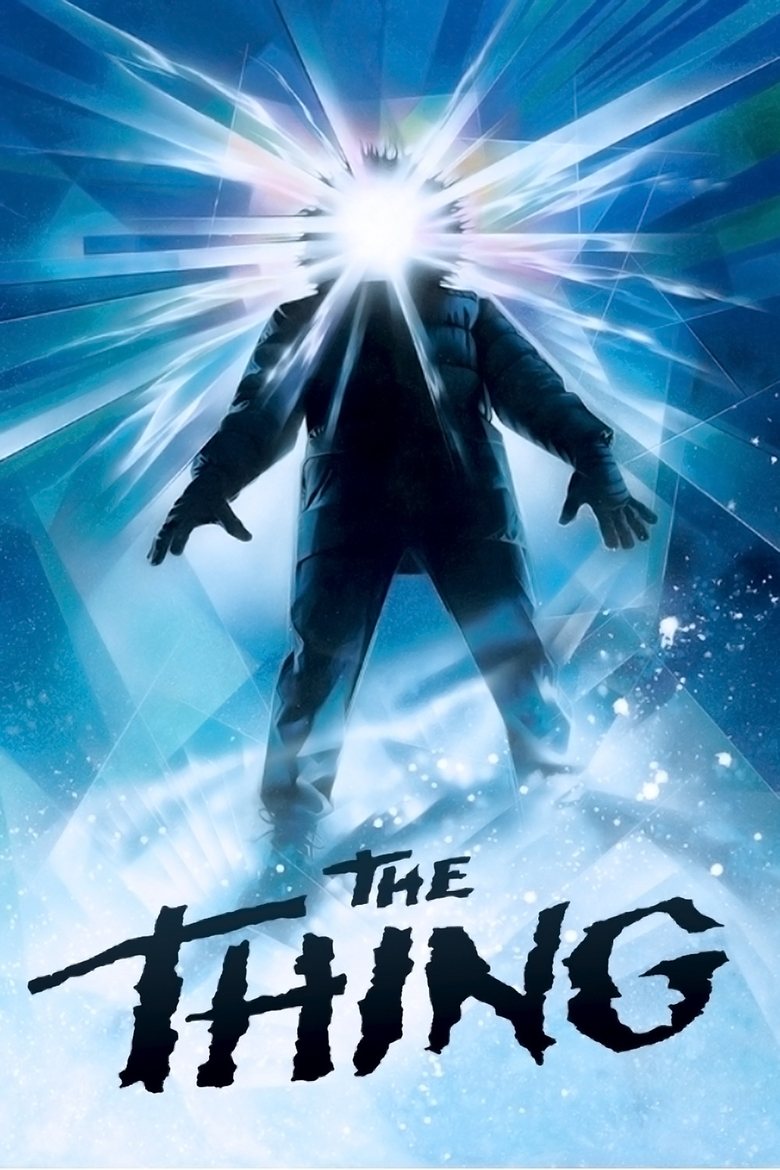
The Thing 1982
Carpenter's coldest masterpiece, a chamber film about distrust and contamination where the body stops functioning as evidence. Bottin's effects astonish, but the deeper achievement is how suspicion spreads before flesh erupts.

Possession 1981
Zulawski turns divorce, Berlin and creature horror into one prolonged emotional seizure, with Adjani's breakdown pitched at an impossible frequency. It has no interest in polish, only in psychic wreckage.

A Nightmare on Elm Street 1984
Craven saw that the slasher needed dream logic to keep mutating, letting sleep itself become vulnerability so Freddy works as both killer and invasive idea. Inventive without ever losing its nasty efficiency.
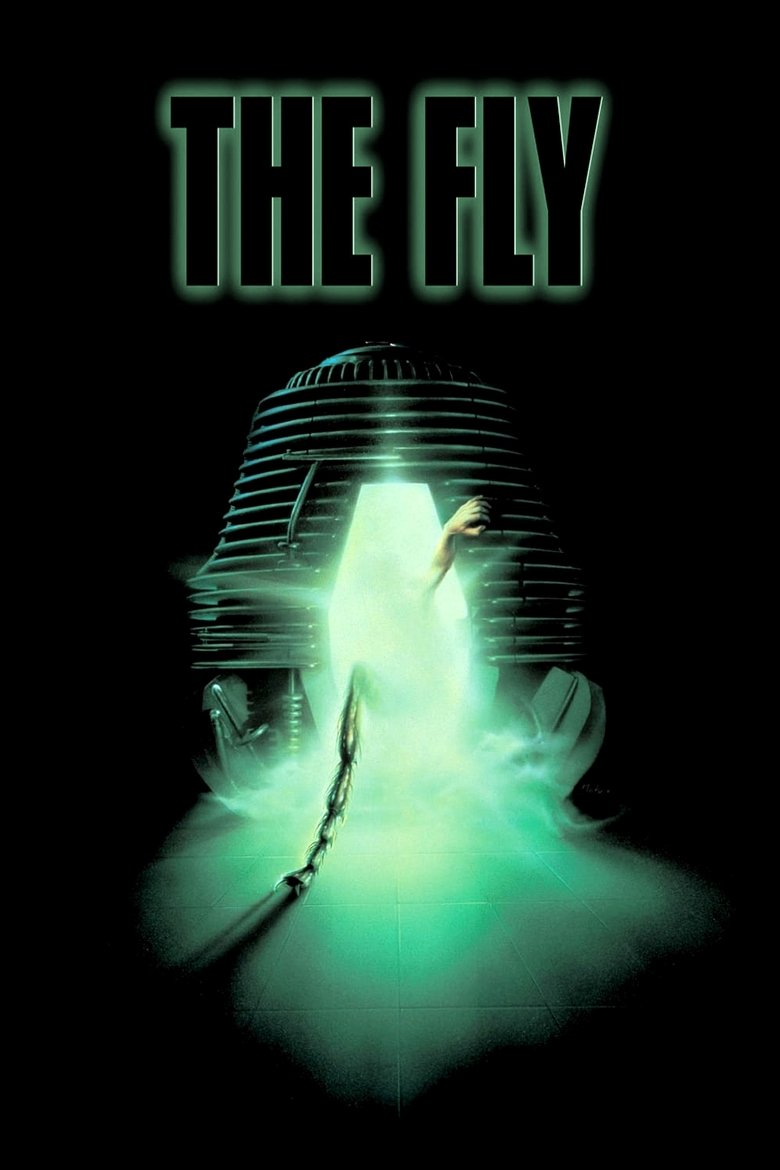
The Fly 1986
Cronenberg makes body horror intimate enough to break your heart, spending one of the decade's great effects showcases on illness, obsession and romantic collapse. The spectacle deepens the tragedy instead of distracting from it.

Evil Dead II 1987
Raimi turns his own cabin setup into a comic splatter cyclone, stretching horror into slapstick velocity without shedding any cruelty. Campbell treats humiliation like stunt choreography, and the result is delirious and exact.

Near Dark 1987
Bigelow gives the vampire film a highway pulse and a punk soul, replacing Gothic upholstery with drifters, motel rooms and a murderous found-family. It feels like the decade's romance with subculture turned feral.

Dead Ringers 1988
Cronenberg returns in a quieter, maybe more disturbing register, with Irons as twin doctors sliding into codependence so severe it turns anatomical. Proof the decade could terrify without monsters in the usual sense.

An American Werewolf in London 1981
Landis swings between backpacker comedy and Baker's transformation set piece, and the joke never protects you from the anatomy. The Academy invented a makeup Oscar the next year, which says what the decade valued.

Aliens 1986
Cameron answers Scott's haunted freighter with a procedural about bad command and colonial contractors, making Ripley the decade's most competent professional. Sequels stopped being the cheap option here.

The Evil Dead 1981
Raimi shoots like a man who cannot afford coverage, so the camera commits the violence itself. Britain's video nasty panic then turned a Michigan cabin picture into a legal test case, which is very much the era.

Poltergeist 1982
The horror is real estate: a subdivision with a history the developer never disclosed, and a television serving as the household's open door. Spielberg's production sheen makes the intrusion feel like a warranty claim.

Gremlins 1984
Dante hides a wrecking crew inside a Christmas movie and lets Amblin's warmth absorb the damage. The ratings board could no longer classify it, so PG-13 arrived that summer partly on this film's account.

Hellraiser 1987
Barker directs his own fiction so nothing is translated out: desire, bargaining, and an order of beings who treat pain as a discipline. Late-80s British horror produced nothing else this doctrinal.

Henry: Portrait of a Serial Killer 1986
McNaughton strips the killer of pattern, score and motive, leaving flat rooms and a camcorder sequence that indicts the act of watching. The X-rating fight shelved it for years, which was the point censors missed.

Re-Animator 1985
Gordon plays Lovecraft as campus farce, Jeffrey Combs treating resurrection as a funding dispute. Going out unrated let the effects run past anything the board would allow: the mid-80s loophole in full use.

Videodrome 1983
Cronenberg read the cassette economy correctly on arrival: a delivery system for images that reshape the body consuming them. Made as home video became an industry, it stands as that industry's first diagnosis.
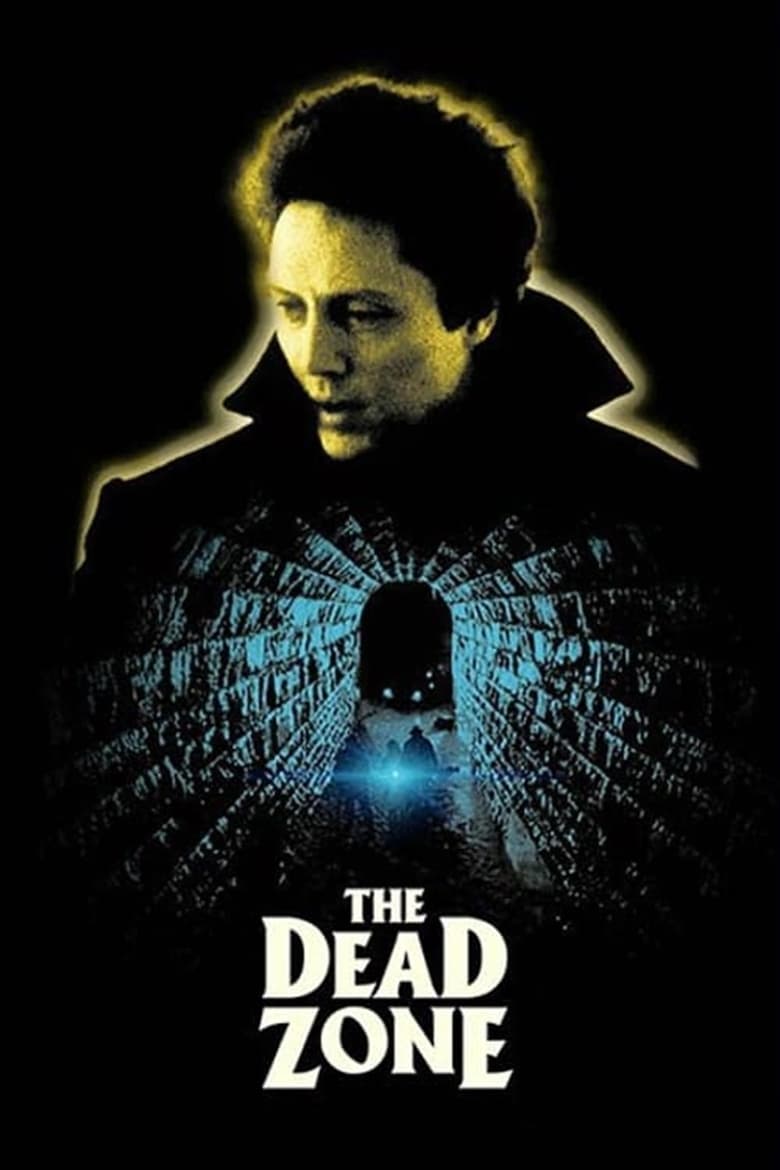
The Dead Zone 1983
Cronenberg's coldest film and the one where restraint pays: a man handed knowledge he never asked for, and a candidate who makes the gift unbearable. King adaptations became a growth industry that same year.

Fright Night 1985
Holland's vampire is a neighbour with property rights, and the only available expert is a broke horror-host actor. The film mourns late-night television at the exact moment the rental store replaced it.

The Changeling 1980
A Canadian tax-shelter production that spends its budget on silence, marble and stairwells, opening the decade at the far end from the effects race. Restraint as a production strategy rather than a stylistic pose.
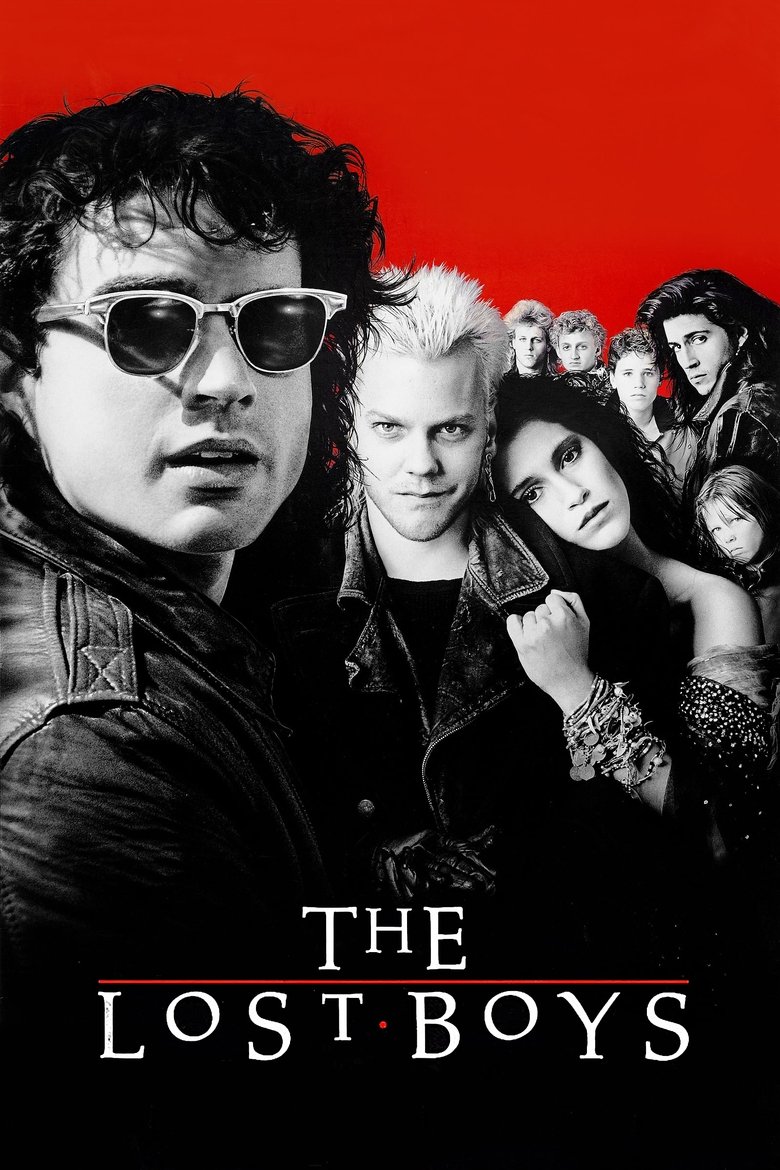
The Lost Boys 1987
Schumacher sells vampirism as a youth subculture with better clothes and no curfew, scored like a music video and cast from the era's teen market. The genre learned here that it could be merchandised.