
The 25 Best 1950s Horror Movies
The 1950s did not invent horror, it re-tooled it for the atomic age. The monster stopped arriving from a Carpathian castle and started coming out of a test site in Nevada, a Pacific trench or the house next door, and the scientist became both the cause of the disaster and the only person who could explain it. Radiation, conformity, the Red Scare and the new suburbs are all in these films, usually openly.
That is the spine but not the whole decade. Universal ran its last classic monster cycle and got one great creation out of it. Hammer showed up in 1957 with colour and blood and made the gothic disreputable again. Godzilla arrived in 1954 as a film about Hiroshima. Jacques Tourneur carried the Val Lewton method into a new decade before it died out. American International discovered that teenagers had money and drive-ins had screens. And in France, Italy and Mexico, directors were making horror that Anglo lists still leave out.
How this list was built
The ranking is critical, not archival. Films are placed on how well they hold up and how much of the genre they went on to shape, not on how rare the print is or how obscure the title sounds. A drive-in picture shot in five days can outrank a prestige production, and here it sometimes does.
We have tried to keep the decade's actual range visible rather than filing the same atomic-monster picture eight times: the giant-insect cycle, Universal's late run, Hammer's first years, Japanese and European entries, William Castle's showmanship, and the teenage market that changed who horror was made for. Where a film circulated under more than one title, or was recut for a foreign market, we file it under the version that matters and say so in the note.
Nothing here is patronised for its effects. These films were made for money by people who understood exactly what they were building with the tools and the budgets they had, and the best of them were solving problems that digital work still has not solved better.
The films on this list

Godzilla 1954
Honda films the bomb, not a monster: newsreel grief in black and white, Tsuburaya's suit flattening Tokyo as an atrocity rather than a spectacle. This is the 1954 Japanese cut, not the 1956 American recut.

Invasion of the Body Snatchers 1956
Siegel shoots a small California town like a police procedural until the paperwork turns out to be the enemy. The reassuring frame story was imposed by the studio and the film shrugs it off.

The Thing from Another World 1951
Hawks produced and you can hear it: overlapping dialogue, a crew of professionals arguing science while something thaws in the ice. Arctic claustrophobia three decades before Carpenter reopened the site.
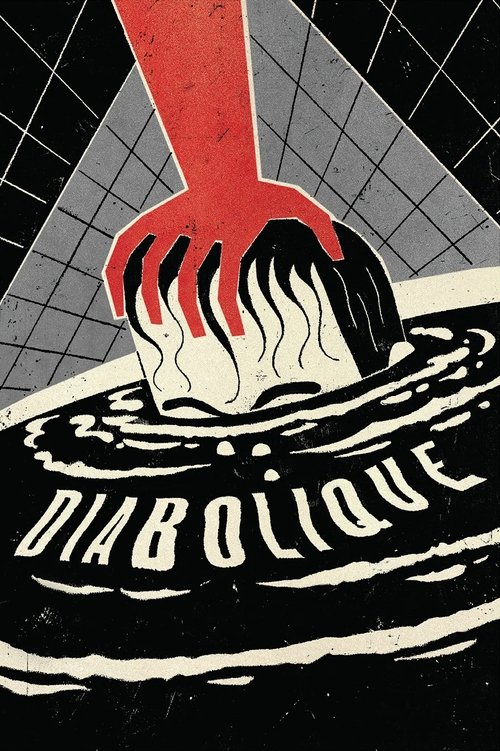
Diabolique 1955
Clouzot builds his horror out of a shabby provincial boarding school, a filthy swimming pool and two women's patience. Hitchcock wanted the novel; Clouzot got it and made the crueller film.

The Curse of Frankenstein 1957
Hammer arrives with Eastmancolor blood and Peter Cushing playing Frankenstein as a well-mannered murderer. The gothic stops being folklore and becomes a portrait of class entitlement.
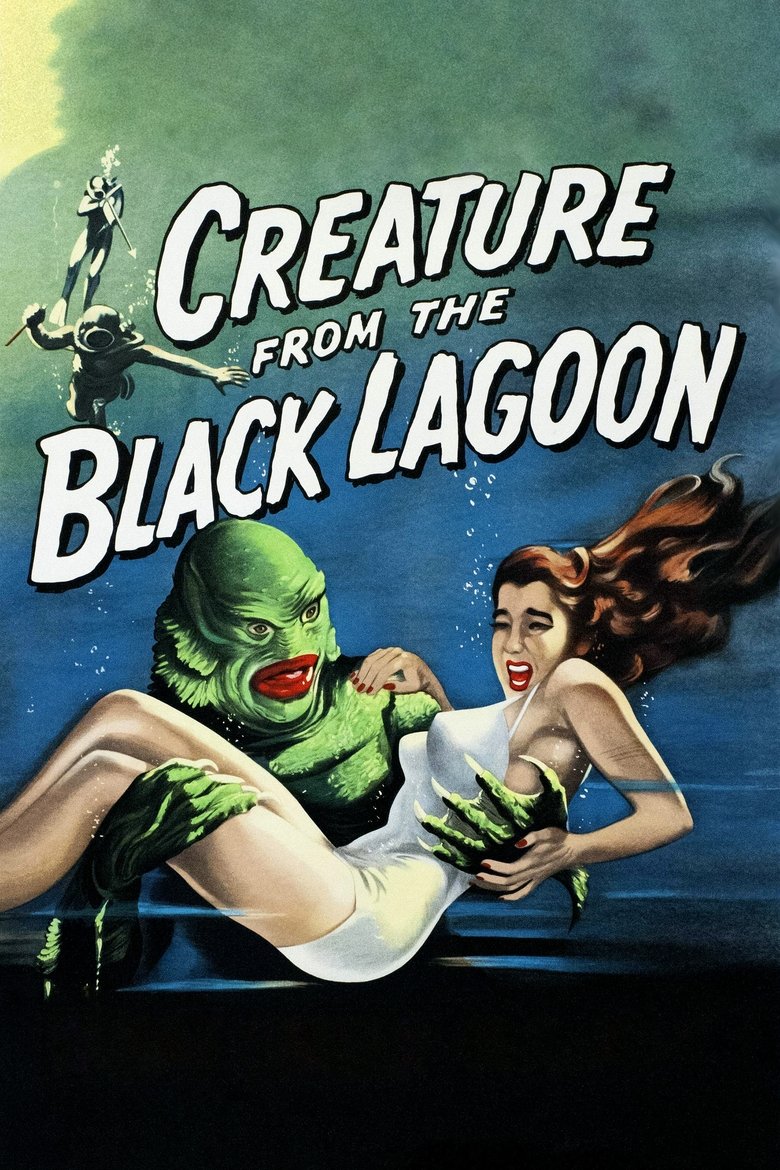
Creature from the Black Lagoon 1954
The last great Universal monster, designed by Millicent Patrick while Bud Westmore took the credit. Ricou Browning swims the underwater scenes and turns the Gill-man into something close to grace.

Them! 1954
Atomic testing in New Mexico produces giant ants and the film treats it as a public-health emergency: maps, briefings, flamethrowers in the Los Angeles storm drains.

Night of the Demon 1957
Tourneur carries the Lewton method into the fifties: runes on a slip of paper, wind in the trees, an American sceptic out of his depth. Producers forced the visible demon in and it barely dents the film.

The Night of the Hunter 1955
Laughton directed once and produced an American nightmare in expressionist light: Mitchum's preacher singing hymns down the river after two children. LOVE and HATE, knuckle by knuckle.
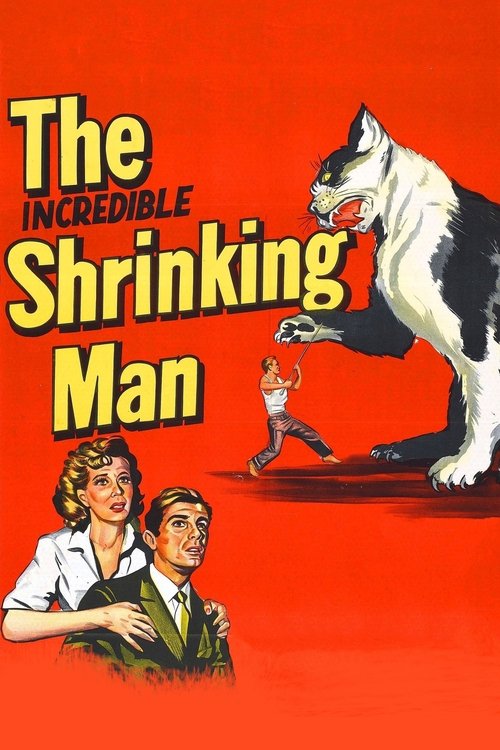
The Incredible Shrinking Man 1957
Matheson's script turns a diminishing body into a study of masculine humiliation, then drops metaphor for a cellar, a spider and a sewing needle. The ending goes cosmic and means every word.

Dracula 1958
Christopher Lee plays the Count as physical appetite rather than accent, and Cushing answers with brisk, unsentimental violence. Released in the States as Horror of Dracula to stay clear of Universal.

The Fly 1958
Colour, CinemaScope and a laboratory accident staged as domestic tragedy: Vincent Price's brother under a sheet, a wife holding the hammer. The spiderweb scene earned every bit of its reputation.
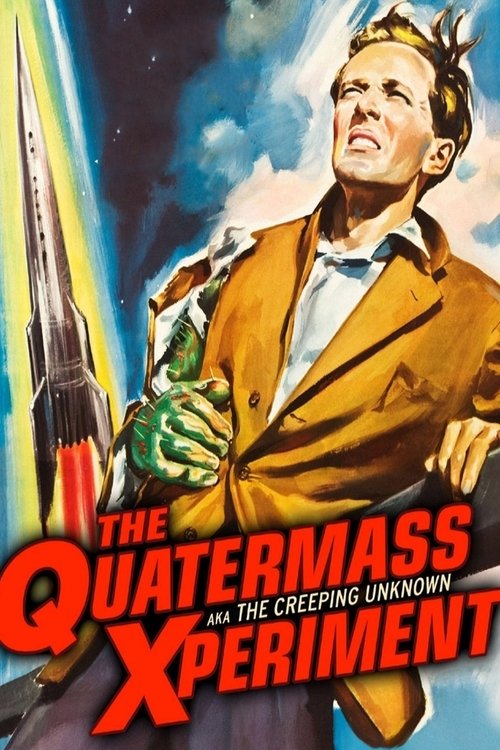
The Quatermass Xperiment 1955
Hammer's first horror hit, two years before the gothic: Nigel Kneale's rocket scientist chases an astronaut turning into vegetable matter. The X in the title was a joke about the censor's certificate.

House of Wax 1953
The 3-D hit that made Vincent Price a horror star, directed by a man with one eye who could not perceive the effect. Under the gimmick sits a genuinely nasty film about a burnt sculptor.

Invaders from Mars 1953
A boy watches his parents come back wrong and no adult will believe him. Menzies was a production designer first, and the sand pit and stretched corridors follow a child's dream logic.
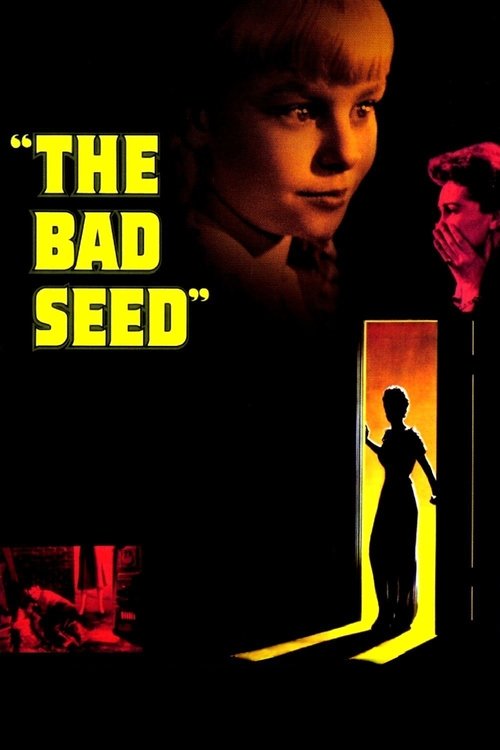
The Bad Seed 1956
Patty McCormack's Rhoda is a tap-dancing eight-year-old killer, but the film's real subject is a mother's dawning suspicion. The Production Code forced a punishment ending and a curtain call.

The Blob 1958
Drive-in economics at their most efficient: teenagers nobody believes, one small town, and a creeping mass of coloured silicone filmed in reverse. Steve McQueen is still billed as Steven.

Lust of the Vampire 1957
Italy's first sound horror film, abandoned by Freda with two days left and completed by his cinematographer Mario Bava. Gothic rot and blood-drained women, four years before Black Sunday.
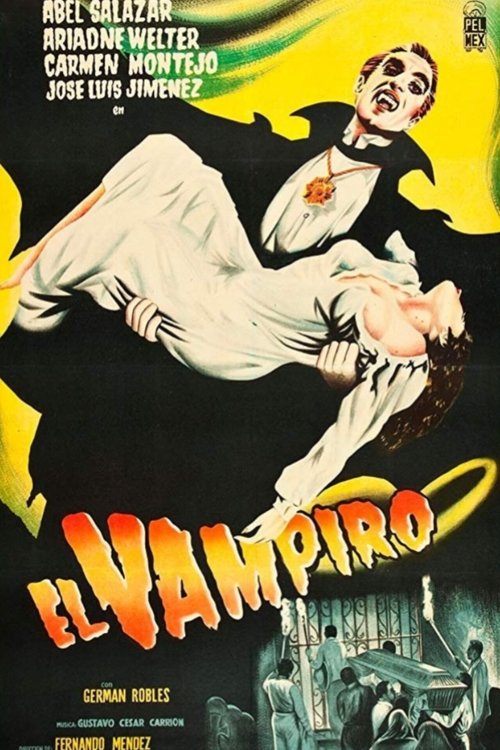
The Vampire 1957
Mexican gothic at full strength: Germán Robles as Count Lavud, fog machines working overtime, a hacienda rotting on cue. It put fangs on screen before Hammer got around to it.

The Mummy 1959
Fisher and Hammer take Kharis seriously: Christopher Lee under the bandages moves like an insulted animal, and the script names a colonial guilt the Universal cycle never bothered with.
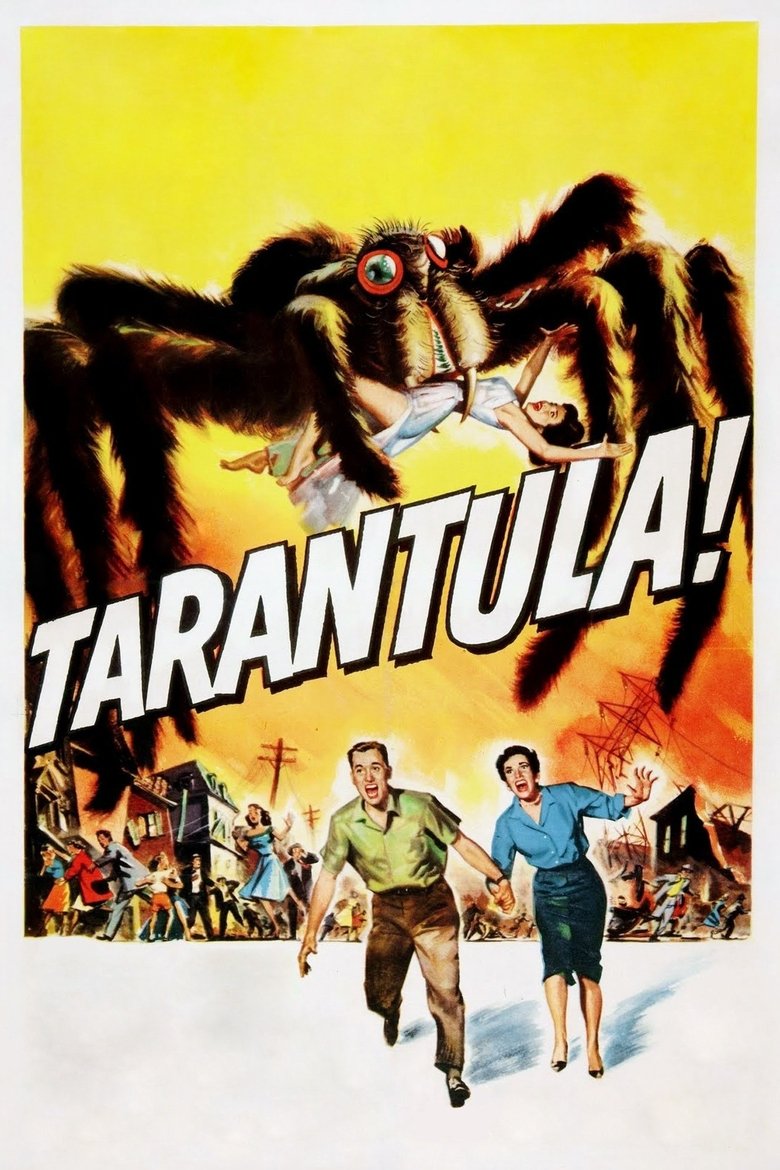
Tarantula 1955
Arnold's second giant-insect picture mattes a real tarantula over the Arizona desert, which is exactly why it still works. The nutrition-science plot is an alibi for the horizon shots.
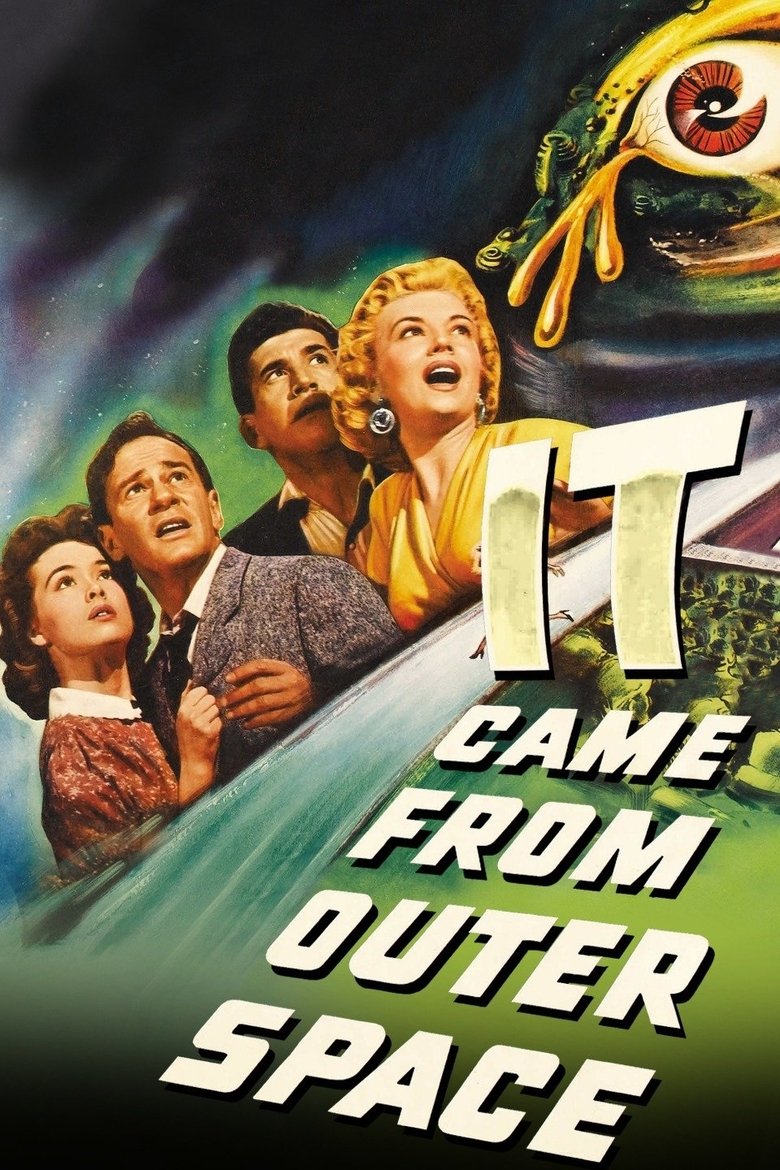
It Came from Outer Space 1953
Ray Bradbury's treatment gives the visitors a reason to be here and no desire to stay. Arnold shoots the Mojave as a place where sound carries wrong; the 3-D was almost beside the point.

The Beast from 20,000 Fathoms 1953
Harryhausen alone against a rhedosaurus, inventing the atomic-monster template a year before Godzilla and paying for it in patience, one frame at a time. The lighthouse goes down first.

House on Haunted Hill 1959
Castle sells the gimmick and then delivers more than he promised: Price hosting a party of strangers, a skeleton on a wire, a vat of acid. Emergo was marketing, the dread was actual work.

I Was a Teenage Werewolf 1957
AIP invents the teenage horror market in one title: a high-school boy hypnotised into fur by an adult who insists he is helping. The subject is being managed, not wolves.