Banned Horror Movies
Bans and censorship fights are not quality marks by themselves. Sometimes they record a genuine formal or political challenge. Sometimes they simply document a censor class losing its nerve in public. Horror has always been especially good at provoking that loss of nerve because it combines sex, violence, blasphemy, disgust, and social panic in ways institutions prefer to keep compartmentalized. The films below matter because their censorship stories reveal something larger than scandal. They show what different cultures were afraid images might do.
Watch these free right now

Banned and censored horror tells a messy story about cinema and public anxiety. Sometimes the ban flatters the work, sometimes it merely records panic or prudery, and sometimes it marks transgressions that stay genuinely hard to defend. What the category proves, again and again, is that horror still occupies the zone where societies argue about what images are allowed to do.
The films on this list

The Exorcist 1973
Friedkin made prestige horror so physically and spiritually abrasive that several territories treated it as dangerous material rather than mainstream cinema. The real threat was never the blasphemy alone but the deadly seriousness with which he filmed it.
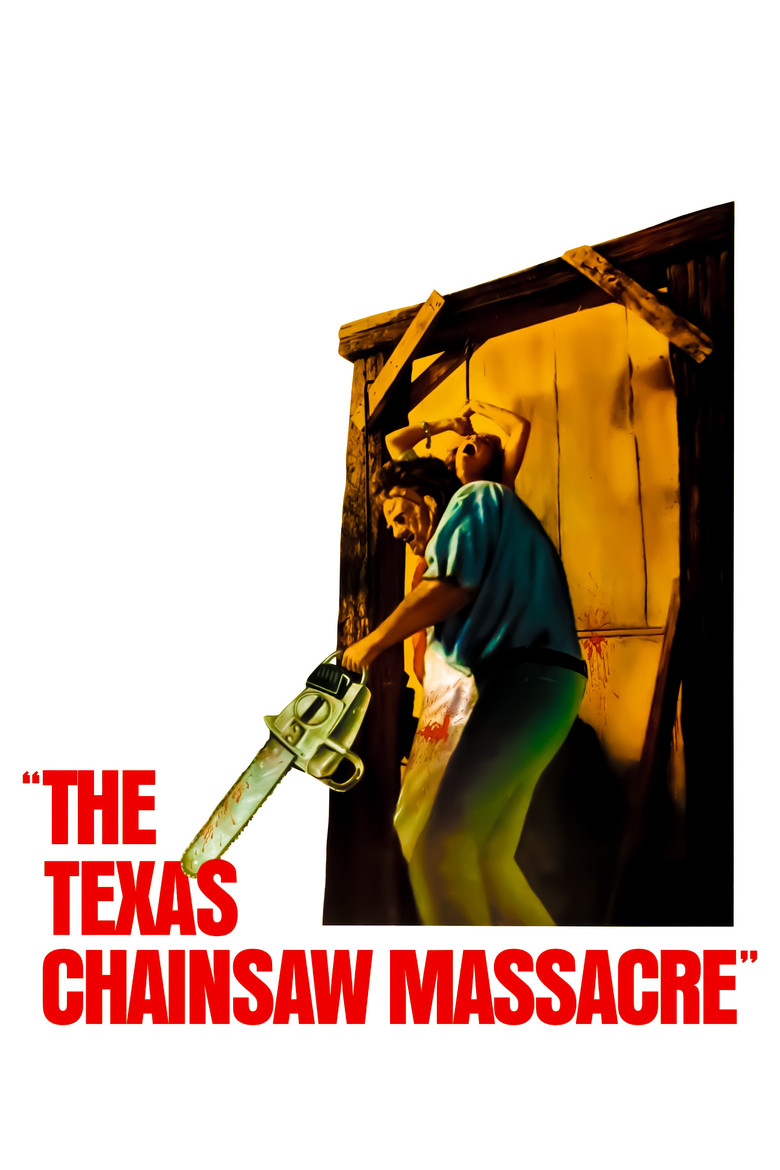
The Texas Chain Saw Massacre 1974
Hooper used less explicit gore than his imitators, yet the film was banned or heavily restricted almost everywhere because it feels so violating. Censors react to psychic grime as fiercely as to visible blood.

Cannibal Holocaust 1980
Seized, banned and investigated because its pseudo-documentary brutality looked uncomfortably real and because its actual animal cruelty remains indefensible. Historical importance and ethical ugliness sit here without canceling each other out.

The Evil Dead 1981
One of the signature video nasties, indecent on a VHS shelf for pairing demonic gore with homemade aggression. What still lands is Raimi shooting like he wants to ram the camera through the wall.

Nekromantik 1988
Buttgereit built it to trigger regulation: corpse romance, bodily fluids and anti-bourgeois contempt near the surface. It is not frightening so much as aggressively abject, proof that censorship often polices disgust rather than fear.

Possession 1981
Zulawski jams sexual hysteria, religious imagery, creature horror and political unease into a film that fits no tidy genre box, which is exactly what institutions fear. The subway convulsion alone plays like a public-order complaint waiting to happen.

Inside 2007
Bustillo and Maury force pregnancy, home invasion and intimate mutilation into one relentless assault. Censors panic hardest when horror feels this personal, and this one is personal enough to cut the room in half.

A Serbian Film 2010
Spasojevic calibrated the film so aggressively for censorship battles that those battles became part of its text and its distribution identity. Whether the allegory persuades is separate from how central the bans were to how it circulated.

The Devils 1971
Ken Russell's Loudun is a furnace of political theatre, religious hysteria and sexual repression. The film was cut by both Warner Bros. and the BBFC, then banned by some British local authorities.
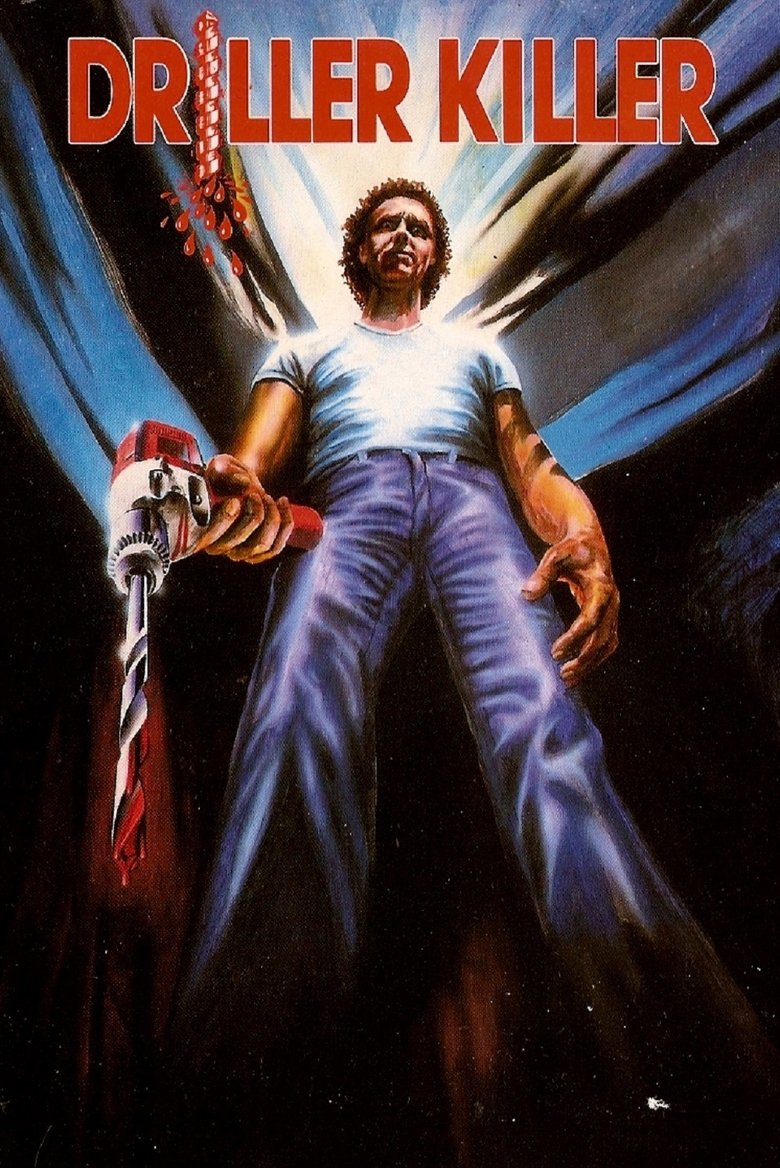
The Driller Killer 1979
Abel Ferrara's no-budget New York breakdown became one of Britain's emblematic video nasties. Its notoriety grew around a lurid cassette sleeve and a censorship panic larger than the film itself.

The Human Centipede 2 (Full Sequence) 2011
Tom Six turns the first film into an object of obsession inside a harsher black-and-white sequel. The BBFC initially refused classification, then passed an 84-minute cut after 32 required edits.

The Last House on the Left 1972
Wes Craven's debut strips revenge horror to cruelty, shock and bitter farce. Rejected outright for British cinemas, it later entered homes through the temporary classification gap around early video.