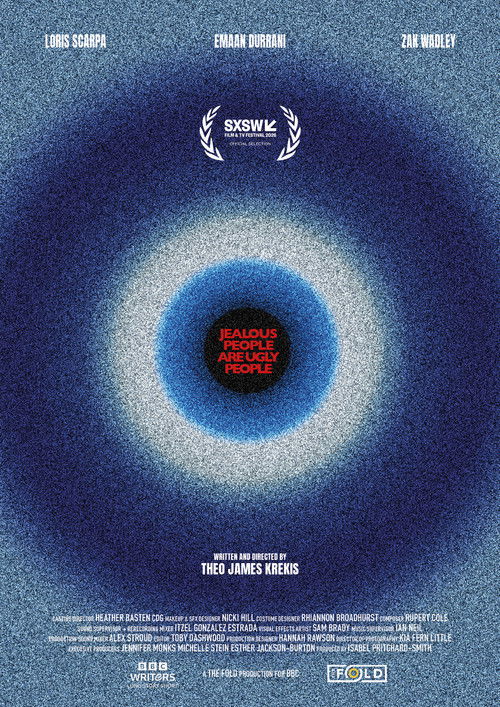

South by Southwest, universally known as SXSW, launched its film component in 1994 as part of a multi-disciplinary festival in Austin, Texas that had begun in 1987 as a music industry event, and the pairing of film with music and interactive technology in a single convergent festival has shaped SXSW's distinctive character ever since.
The festival takes place each March in Austin, États-Unis, with the downtown entertainment district serving as the social hub and a spread of theaters, hotels, and convention spaces hosting screenings, panels, and premieres across ten days. The simultaneous running of the music and tech strands means that SXSW operates at a larger scale than a pure film festival, with total attendance across all strands running into the tens of thousands, and the concentration of media, entertainment, and technology industry figures creates a deal-making and networking environment unlike any purely film-focused event.
SXSW Film's competitive structure includes narrative feature, documentary feature, and short film competitions, with jury and audience awards in multiple categories. The Audience Award is particularly valued because SXSW audiences skew young, media-literate, and early-adopter, making a strong audience response here a reliable early indicator of cultural momentum. The festival has a track record of world-premiering films that go on to significant commercial and critical success, and the Austin audience has proven adept at identifying breakout work.
From a genre perspective, SXSW is one of the most important horror and science-fiction launch platforms in North America, and its midnight and after-dark programming has been specifically credited with building careers and launching horror franchises. The festival's Midnight section, which screens late-night genre films to an enthusiastic crowd, has premiered films including Get Out, The Cabin in the Woods, and numerous other horror titles that subsequently became defining works of their decade. Midnight screenings at SXSW carry a particular energy because the audience is self-selected, prepared to be frightened or shocked, and capable of generating the kind of word-of-mouth that travels fast through the entertainment press concentrated in Austin during festival week.
Horreur at SXSW ranges across the full spectrum of the form. Slasher et supernatural work from emerging American directors appears alongside formally adventurous psychological-horror, body-horror, and genre hybrids that blend horreur with comédie, science-fiction, or social drama. The festival's appetite for ambitious, idea-driven genre work reflects Austin's own culture as a city that has historically been hospitable to creative outsiders and alternative cultural production.
Sci-fi has an equally strong presence in the SXSW program, partly because the interactive technology strand means that science fiction premises connect thematically with the tech-industry conversation happening in adjacent event spaces. Films exploring artificial intelligence, surveillance, virtual reality, and near-future social scenarios find a particularly engaged SXSW audience that engages with the genre both as entertainment and as speculative commentary on industries many attendees work in directly.
Thriller et crime cinema appear consistently across the main Narrative Feature Competition and the Special Events program, and the festival has a history of premiering prestige studio thrillers alongside independent genre work. The convergence of Hollywood marketing infrastructure with indie programmer sensibility during festival week means that a SXSW thriller premiere can reach simultaneously the mainstream entertainment press and the genre-specialist critics who follow midnight programming.
The documentary program at SXSW is substantial and independently important, with a documentary competition that has premiered significant political, cultural, and true-crime films. True crime documentaries with horror-adjacent subject matter - serial killers, cults, extreme violence - find an audience at SXSW that appreciates both the investigative rigor of documentary form and the unsettling material that crime and horror documentaries share.
SXSW's location in Austin, historically a lower-cost creative city with a strong independent culture, gave the festival a scrappier identity than the coasts in its early years. That identity has moderated as the festival has grown in commercial significance, but Austin remains distinctive among major États-Unis festival cities, and the culture of direct filmmaker-to-audience interaction - in screenings, panels, and on the street during festival week - persists as a defining characteristic.
For horreur et science-fiction filmmakers in particular, SXSW's Midnight section represents one of the most coveted launch slots in North American genre cinema.
 Toronto International Film Festival
  Sitges - Catalonian International Film Festival
  Independent Spirit Awards