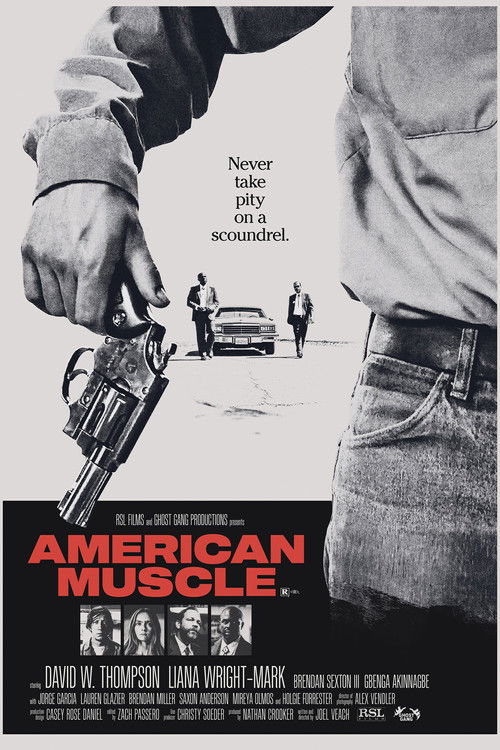
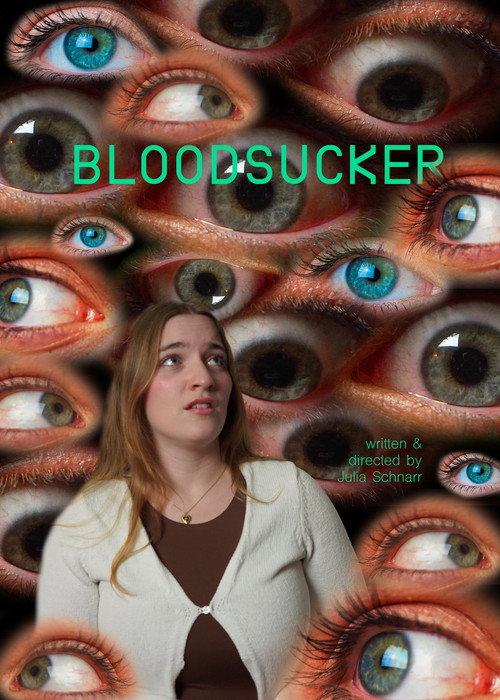
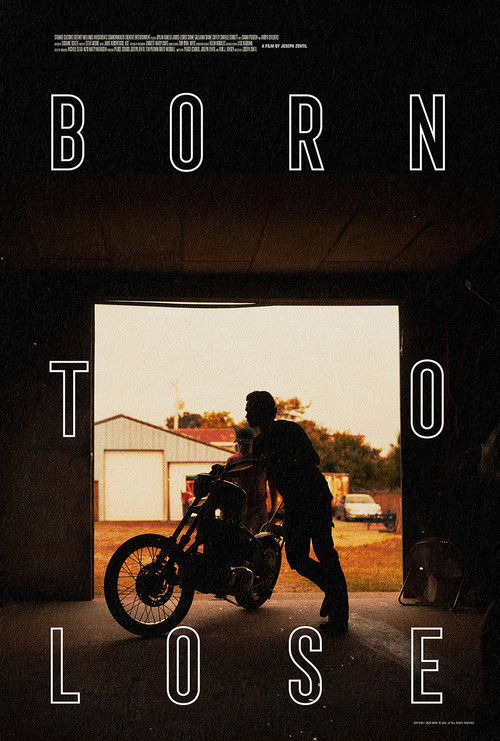
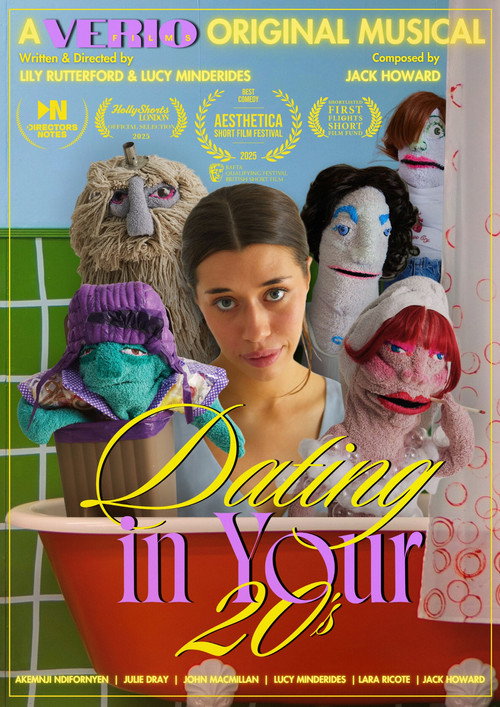
Raindance Film Festival, held annually in London, was founded by Elliot Grove in 1992 with a stated ambition to be the United Kingdom's most resolutely independent film showcase - a festival explicitly allied with micro-budget, self-distributed, and industry-outsider filmmaking rather than with the prestige productions that dominate the programming of the BFI London Film Festival.
The name is borrowed from the Raindance Film Institute, the educational organization Grove established alongside the festival to offer practical filmmaking training, and the two organizations have operated in parallel ever since, with the festival functioning as a public showcase for the kind of independent work the institute trains filmmakers to produce. This dual identity - part educational institution, part film showcase - gives Raindance a distinctive character among UK film events. It is less interested in the final polish of the completed film than in the act of filmmaking itself as a creative practice that should be accessible to anyone regardless of budget, industry connections, or formal training.
Raindance typically takes place in October in London, programming across a series of small and mid-sized screening spaces in the West End and surrounding areas. The program spans feature films, short films, documentaries, and web series, with competitive sections in each category. The scale is deliberately democratic - acceptance rates are higher than at more selective festivals, which means the program is mixed in quality but unusually diverse in origin, drawing submissions from filmmakers in dozens of countries who would have no realistic prospect of placement at more prestigious European events.
For genre cinema specifically, Raindance has a genuine and longstanding affinity. The festival has been one of the most consistently receptive platforms in the Royaume-Uni for micro-budget horreur, thriller, and science-fiction made outside the mainstream industry infrastructure. Because the festival does not filter heavily for production values, it has screened significant numbers of found footage features, backyard creature films, slasher productions, and experimental horror works that more formal British festivals would not consider. This openness has made it a first port of call for genre filmmakers in the UK and internationally who are working at the lowest end of the budget spectrum.
The relationship between Raindance and the British horror tradition is particularly worth noting. The Royaume-Uni has one of the richest genre film histories of any English-speaking country, from the Hammer studio's output through the social horror of the 1970s and the more recent wave of atmospheric British horror. Raindance has not programmed retrospectives of this history in a systematic way, but its consistent openness to contemporary British genre production maintains a connection to that tradition by providing new filmmakers working in it with a visible platform.
The Raindance Film Institute's training programs include dedicated courses in genre filmmaking, and the graduates of those courses frequently submit their work to the festival. This creates a pipeline that gives the festival a specific relationship to emerging British genre talent that is different from the discovery-of-finished-work model that most festivals operate on. Raindance encounters many of its filmmakers while they are still developing their craft rather than only at the point of completion, which shapes the curatorial relationships the organization maintains.
The festival also runs an affiliated market and networking program aimed at connecting independent filmmakers with distributors, sales agents, and exhibitors working in the independent sector. This market component is small by comparison with the major international film markets, but it serves a useful function for filmmakers whose work would be invisible at larger industry events.
Raindance has maintained its commitment to emerging and digital-first formats through its embrace of web series, virtual reality content, and mobile-delivered short films, positioning itself as a festival open to cinema in whatever distribution form it takes rather than restricted to theatrical releases. This flexibility has become increasingly relevant as the landscape of independent distribution has fragmented across streaming platforms, festival circuits, and direct digital distribution.
For viewers and filmmakers interested in the rough edges and formal experiments of low-budget genre production from the Royaume-Uni and beyond, Raindance remains the most permeable and genre-friendly major film festival in Britain.
 Tallinn Black Nights Film Festival
  Berlin International Film Festival
  Bolton International Film Festival
  SXSW Film Festival