
Outfest: Los Angeles Gay and Lesbian Film Festival is one of the oldest and most prominent LGBTQ film festivals in the United States, held annually in Los Angeles since its founding in 1982 by students at the University of California, Los Angeles. The festival emerged from the gay and lesbian student community at UCLA during a period of rapid political organising and cultural production within the broader American LGBTQ movement, and its origins in a university film community have always inflected its character - it takes cinema seriously as an art form and as a political medium simultaneously.
Based in Los Angeles - the centre of the American entertainment industry and home to one of the largest LGBTQ communities in North America - Outfest operates with an industry proximity that distinguishes it from equivalent festivals in other cities. Studios, agencies, production companies, and streaming platforms all engage with Outfest in ways that reflect both the city's professional infrastructure and the growing mainstream commercial appetite for LGBTQ stories. That proximity has made Outfest both a discovery platform for independent queer cinema and a point of contact between independent filmmakers and commercial industry.
The festival presents features, documentaries, and short films across roughly ten days each July, with screenings at multiple venues across the city including the Directors Guild of America Theater, which reflects the festival's professional industry relationships. The Opening Night and Closing Night galas are major events on the Los Angeles cultural calendar, drawing talent from across the entertainment industry as well as the dedicated LGBTQ film audience the festival serves.
The Outfest Legacy Collection, developed in partnership with the UCLA Film and Television Archive, is a significant preservation project that has rescued hundreds of LGBTQ films from deterioration. The collection is one of the most comprehensive archives of queer cinema in the world, preserving films from the 1940s onward - including underground works, experimental shorts, and genre productions that would otherwise have been lost. This preservation mandate gives Outfest a relationship with film history that extends far beyond its annual programming.
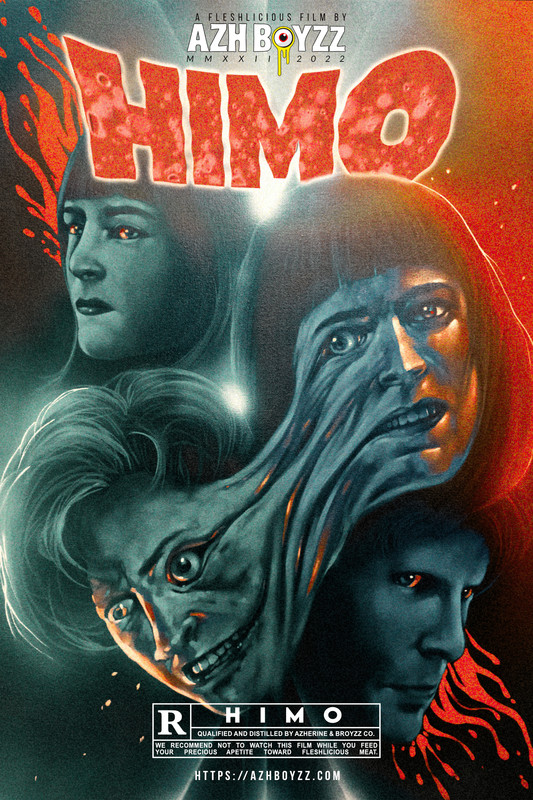
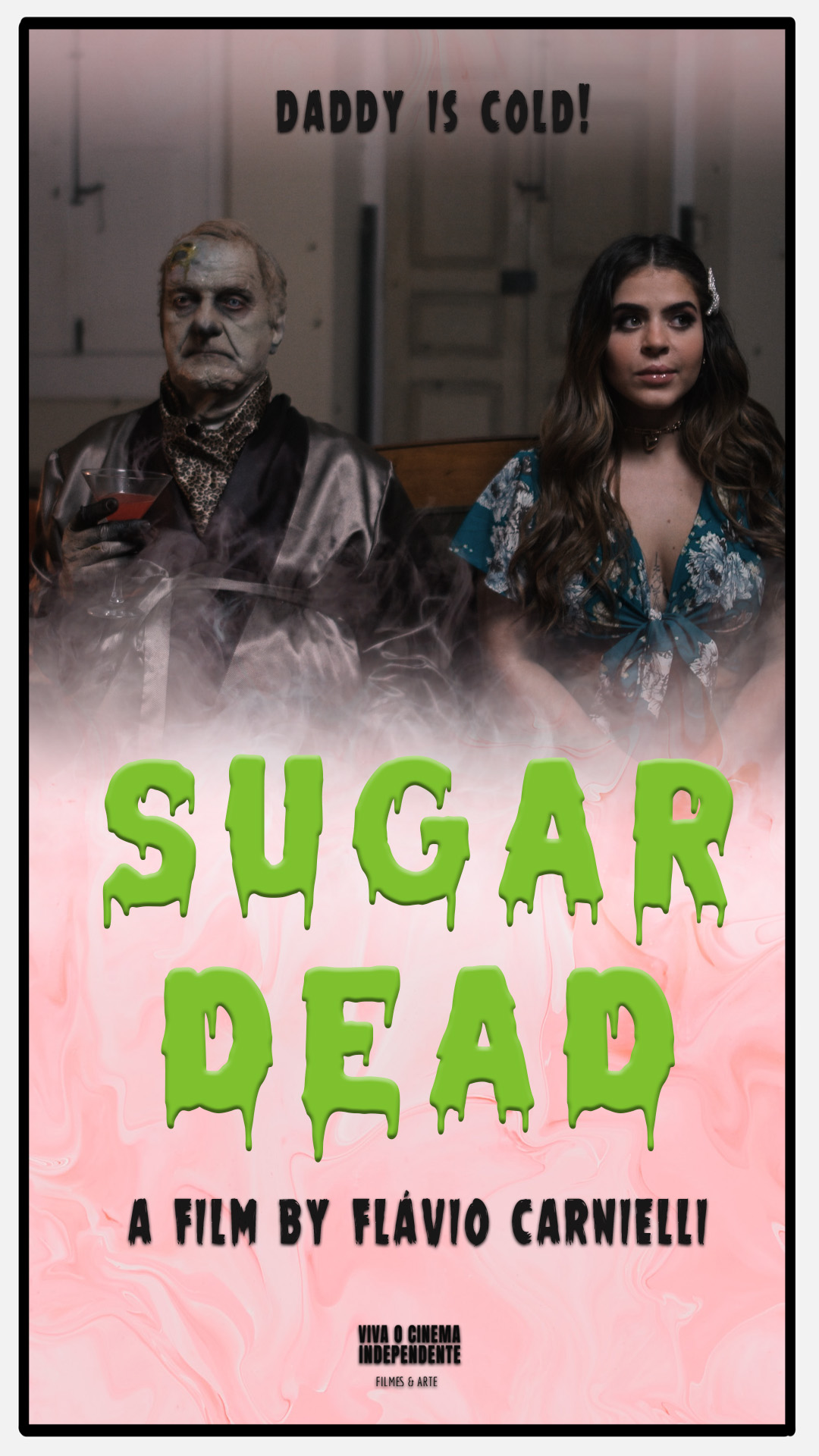
For genre-cinema audiences, Outfest's relevance runs across several registers. Horreur has a long and complex relationship with queer representation - coded queer villains, the monster as figure of sexual deviance, the gradual reclamation of those codes by queer filmmakers working within the genre tradition - and Outfest has programmed horror films that engage with that relationship throughout its history. Queer thriller cinema, films in the psychological-horror tradition, and genre-inflected drama have all appeared in Outfest programming. The festival's openness to formally adventurous and emotionally extreme work means that the overlap between queer cinema and genre cinema is represented rather than elided.
The Fusion program, which Outfest runs as a dedicated festival for LGBTQ films from communities of colour, extends the festival's reach and addresses historical gaps in queer film culture's representation of non-white experiences. Films from this program have engaged with genre conventions - folk horror inflected by African American experience, crime drama rooted in Black and Latinx urban realities, supernatural narratives drawing on non-European cosmological traditions - in ways that mark a genuine expansion of queer genre filmmaking.
The Outfest Screenwriting Lab and its filmmaker support programs have helped develop projects that combine queer subject matter with genre filmmaking ambition. The proximity to the entertainment industry means these development programs carry real weight - participants gain access to development resources and industry connections that independent queer filmmakers in other cities cannot easily replicate.
Outfest occupies a specific position in the LGBTQ film festival landscape: large enough and industry-connected enough to function as a genuine commercial platform, but rooted deeply enough in community and politics to retain the character of a festival built by and for the people whose stories it tells.
 Queer Lisboa
  Berlin International Film Festival