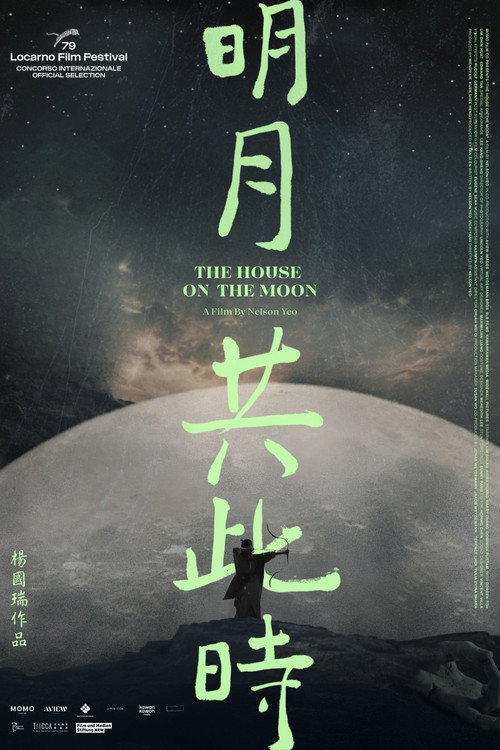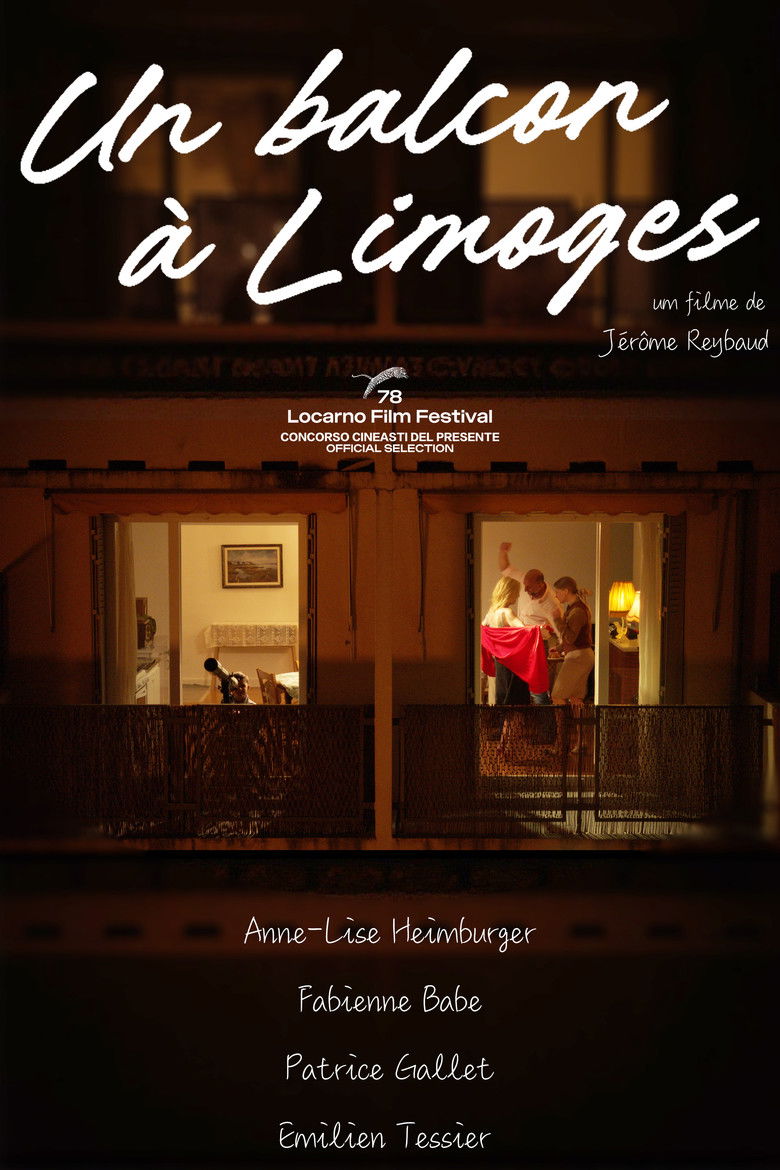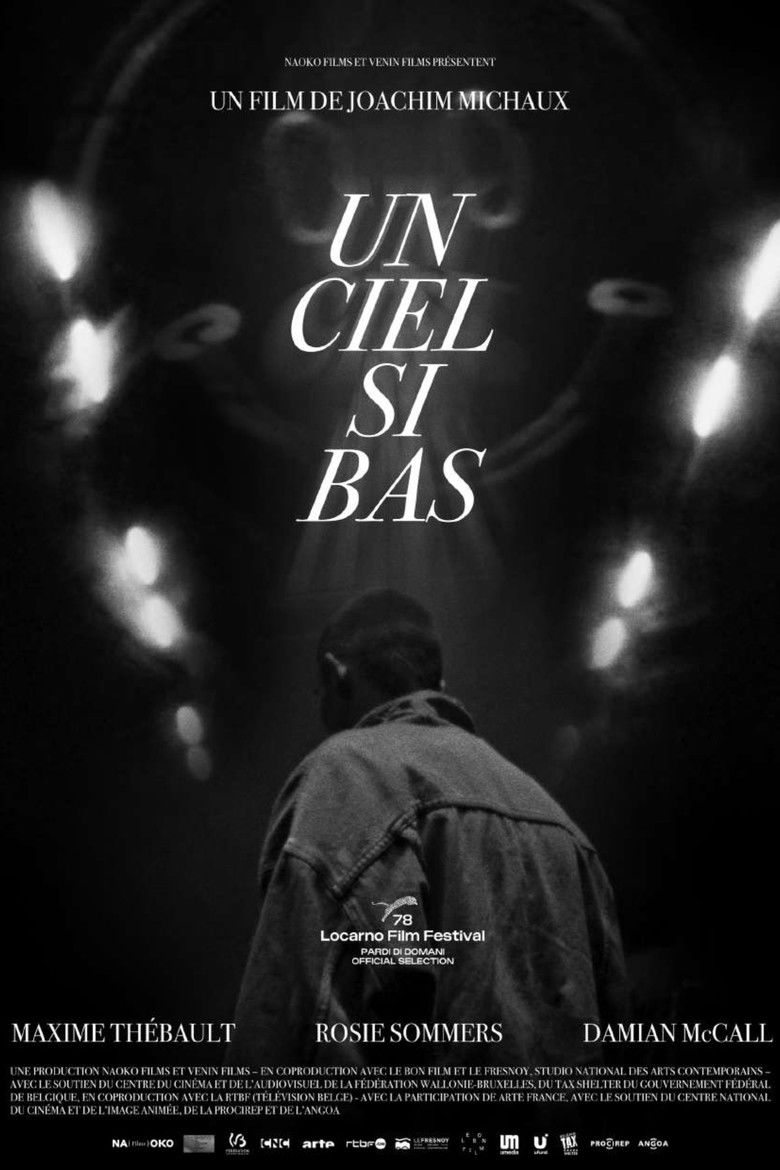

The Locarno International Film Festival has screened its competition films outdoors on the Piazza Grande since the 1940s, making it one of the very few major international film festivals where a top-tier competition title can receive its premiere in front of eight thousand people seated in an open square under the summer sky. Founded in 1946 in the Italian-speaking city of Locarno, Suisse, the festival is one of the oldest in the world and has cultivated an identity that is simultaneously adventurous in its programming and unusually intimate in its atmosphere.
The Golden Leopard is the festival's top award, and the Locarno competition has a historical pattern of rewarding formally ambitious, politically engaged, or otherwise unconventional films that might not be selected for or recognized at Cannes or Venice. The Silver Leopards and Special Jury Prizes complete the main competition awards structure. Alongside the main competition, Locarno runs Concorso Cineasti del Presente, which focuses specifically on debut and second features and has functioned as a discovery platform for filmmakers who later gained wider international recognition.
Locarno's retrospective programming is widely regarded as among the most rigorous in the world. The festival has dedicated major retrospective programs to individual filmmakers, national cinema traditions, genre cycles, and historical periods that other major festivals have treated as marginal or unserious. Genre cinema, exploitation film, popular cinema from Asia and Latin America, and B-movie traditions have all received substantial retrospective treatment at Locarno over the decades. The festival approaches these subjects with the same scholarly seriousness it brings to art cinema retrospectives, treating popular genre traditions as legitimate objects of critical attention rather than as distractions from the prestige competition.
The festival's approach to experimental cinema and formally challenging work is integrated throughout its programming rather than isolated in a dedicated avant-garde ghetto. Locarno has screened work that sits at the intersection of thriller and art cinema, genre and formalist experiment, commercial filmmaking and underground practice. This range reflects the Swiss context to some degree: Switzerland's multilingualism and its position between the French, Italian, and German cultural spheres gives it a particular capacity for synthetic openness that the festival has historically reflected.
Locarno's Open Doors program focuses on developing-country cinemas, particularly from Africa, Asia, and Latin America, offering project support and market access to filmmakers from regions underrepresented in international distribution. This program has operated for decades and reflects the festival's longstanding interest in supporting cinema outside the Euro-American art film mainstream.
The Piazza Grande screenings are central to Locarno's character in a way that distinguishes it from every other major festival. The outdoor format means that the festival's highest-profile screenings are genuinely accessible to a general public audience, not only to press, industry, and ticket-holding cinephiles. The experience of watching a film under the Piazza Grande sky - with the sound system and projection quality that the festival has developed to handle the outdoor environment, and with the mountains visible on the horizon - is frequently cited by filmmakers and attendees as one of the most distinctive experiences available in festival cinema.
Locarno's geographical situation in Italian-speaking Switzerland means that the festival's on-the-ground audience skews toward Italian-speaking Swiss, Italian, and neighboring European attendees, giving it a different cultural character from German-language European festivals. The food, the light, the architecture, and the general pace of the town during the festival period contribute to an atmosphere that is less driven by industry hustle than Cannes or Berlin and more conducive to the kind of extended cinematic immersion that long festival programs require.
For Swiss cinema specifically, Locarno serves as the primary international showcase. Swiss productions appear in the competition and sidebar programs, and the festival's sustained attention to Swiss filmmaking over decades has provided continuity of visibility for a national cinema that, given the country's small population and multilingual fragmentation, might otherwise have struggled to establish a consistent international profile.
The festival's longevity - it has operated with only brief interruptions since 1946 - has given it an archival depth that translates into consistent programming quality. Programmers working within a long institutional memory of what has and has not worked, what has proven enduringly interesting and what has dated badly, produce selections that reflect that accumulated judgment. For serious film viewers who want a festival that takes formal and historical questions seriously while still engaging with genre and popular cinema on its own terms, Locarno is among the most rewarding in the world.
 International Film Festival Rotterdam
  Toronto International Film Festival
  Cannes Film Festival
  Berlin International Film Festival