

Santa Barbara International Film Festival
The Santa Barbara International Film Festival, founded in 1986 and held each January in the coastal California city that gives it its name, has developed an unusual dual identity as both a genuinely programmatic film festival with strong independent and international cinema credentials and, simultaneously, one of the most significant awards-season platforms in the North American film industry - a combination that has given it influence well beyond its modest size.
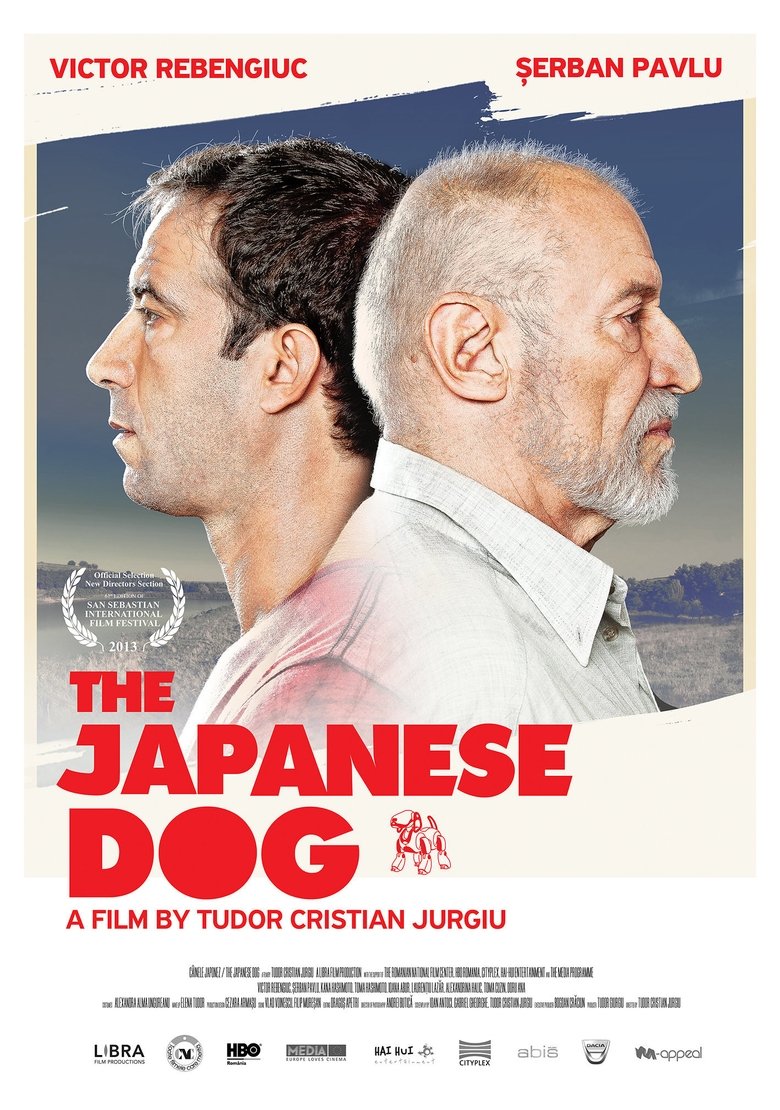
The festival was established in Santa Barbara with the goal of bringing international and independent cinema to a city that, despite its proximity to Los Angeles and its considerable cultural resources, lacked a dedicated film event. Over its first decades it built a reputation as a serious programming festival with good taste in emerging international work and strong independent American cinema. The programme still reflects this identity: SBIFF presents world cinema, documentary, and independent narrative features with genuine curatorial attention.
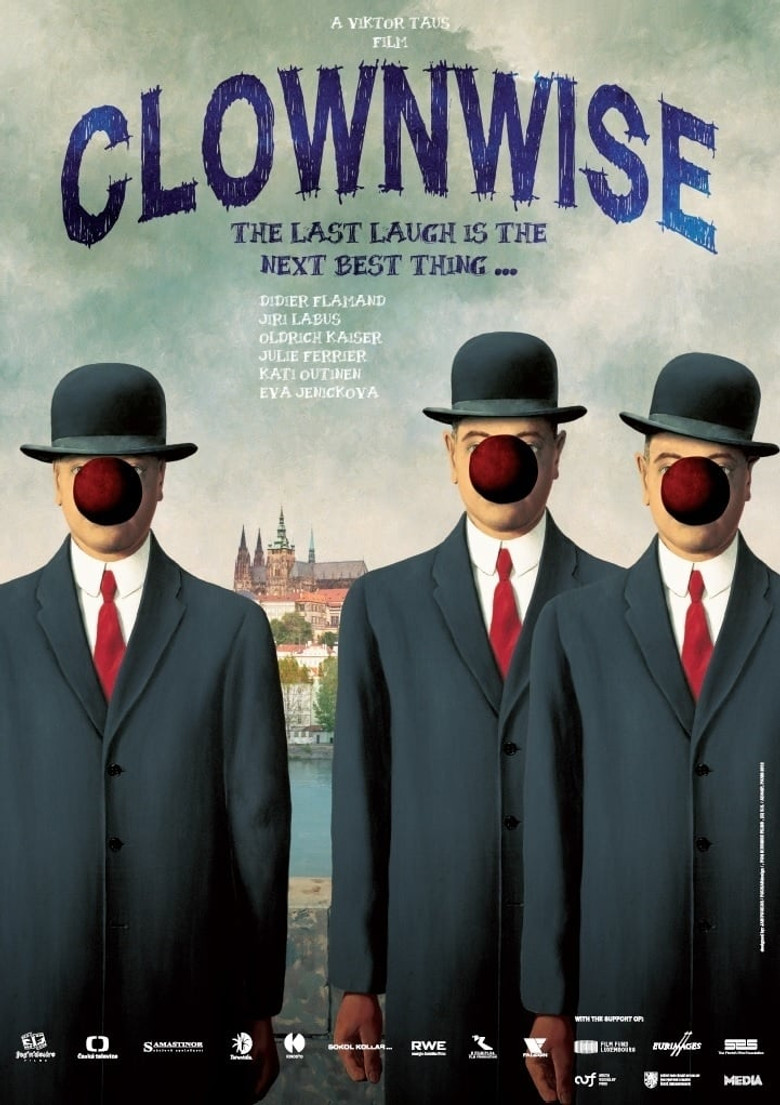
United States independent cinema has been particularly well represented at SBIFF across its history, with the festival serving as a platform for the kind of smaller American films that are often overshadowed at larger events by international competition and major studio releases. California filmmaking - including work from the Los Angeles independent community that operates in the shadow of the studio system - has found consistent support at a festival that can engage with that community without being absorbed into its commercial logic.
The festival's transformation into a major awards-season event is largely a function of its January timing and its tribute programme. The SBIFF tribute events - the Virtuosos Award for emerging actors, the Cinema Vanguard Award, the Modern Master Award, the American Riviera Award - bring major film industry figures to Santa Barbara during the weeks immediately before the Academy Awards voting period closes. The tributes receive substantial industry and press attention because they function as visible endorsements of awards-season frontrunners, and studios and publicists actively seek SBIFF tribute berths for their contenders. This has made SBIFF one of the most watched events in the awards-season calendar despite its relatively small competitive programme.
This dual identity - serious film festival and awards-season platform - creates an interesting tension in the event's character. The tributes and industry events draw the major Hollywood press and the stars and campaigns associated with Oscar season, while the broader programme draws the festival audience looking for international discoveries and independent work. These two functions coexist without fully integrating, which gives SBIFF a more complex character than either purely prestige awards events or purely curatorial discovery festivals.
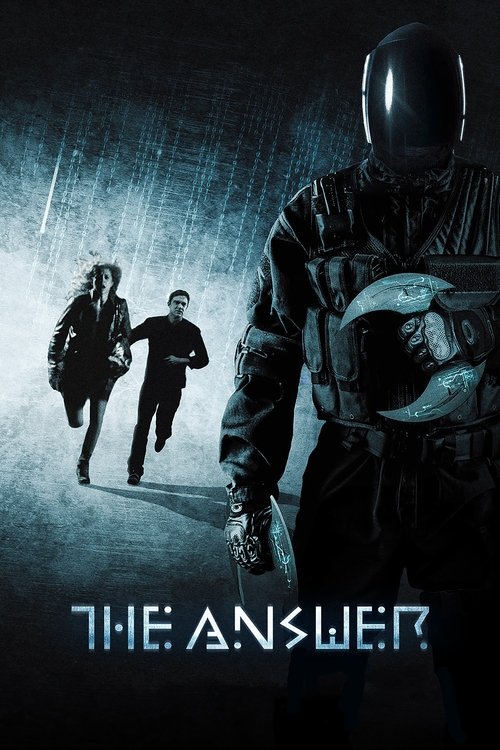
For genre cinema, SBIFF's relationship is primarily through the occasional inclusion of thriller, horror, and sci-fi films in the broader programme when those films have significant awards-season profiles or strong independent credentials. Genre films that are competing for Academy Awards - a category that has expanded in recent years as the academy has become more receptive to horror and science fiction - may receive tribute or screening attention at SBIFF as part of their awards-season campaigns.
The Santa Barbara setting is central to the festival's identity and appeal. The city's combination of architectural beauty, coastal location, mild January climate, and cultural infrastructure makes it an attractive destination for filmmakers, industry figures, and audiences. The Riviera Theatre and Arlington Theatre, the festival's primary venues, are both historic buildings with strong atmospheric qualities. The Arlington in particular - a 1930s theatre with a Spanish Colonial Revival interior designed to evoke an outdoor courtyard under a painted night sky - is one of the most distinctive film venues in California.
The documentary programme at SBIFF has been consistently strong, with documentary filmmakers receiving dedicated screenings and awards recognition. Documentary cinema occupies an important position in the American independent film ecosystem, and SBIFF's consistent attention to documentary work reflects its commitment to the form alongside narrative fiction.
The festival runs for approximately eleven days, presenting screenings at multiple venues and organising talks, panels, and educational events alongside the screenings. Education is a significant component of the SBIFF mission, with student programmes bringing school groups to film screenings and events designed to develop film literacy in younger audiences.
The industry dimension of SBIFF, while it gives the festival its outsized influence, also risks overshadowing the genuine programming work that the festival does. The curatorial decisions that bring interesting international and independent cinema to Santa Barbara deserve attention alongside the tribute ceremonies that make industry headlines.