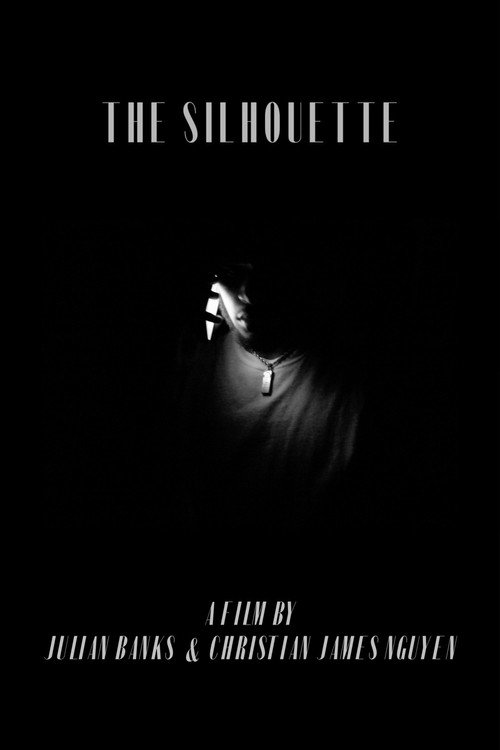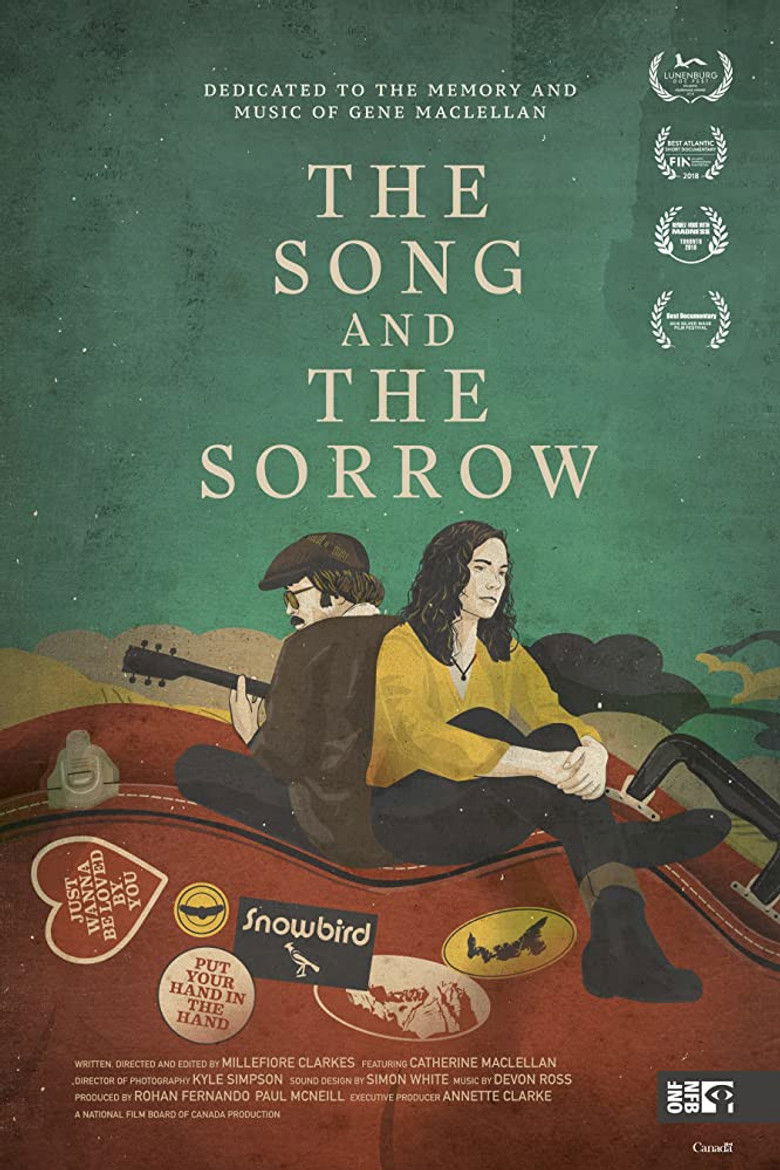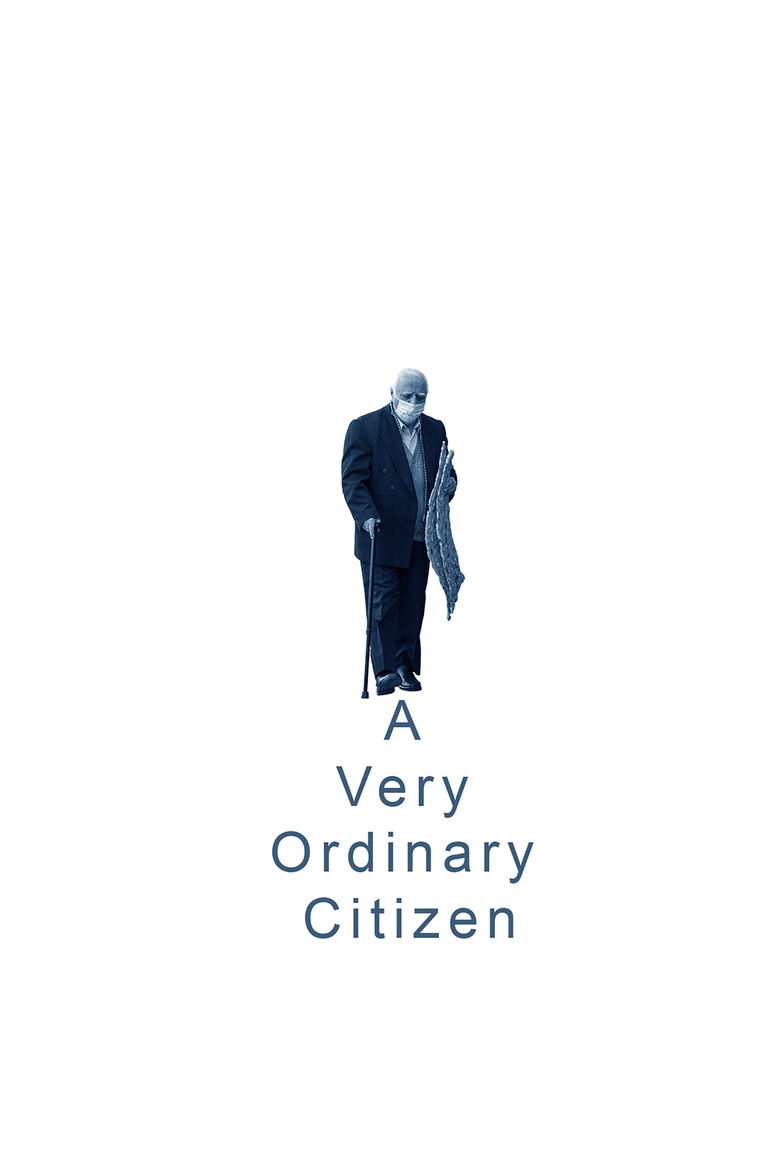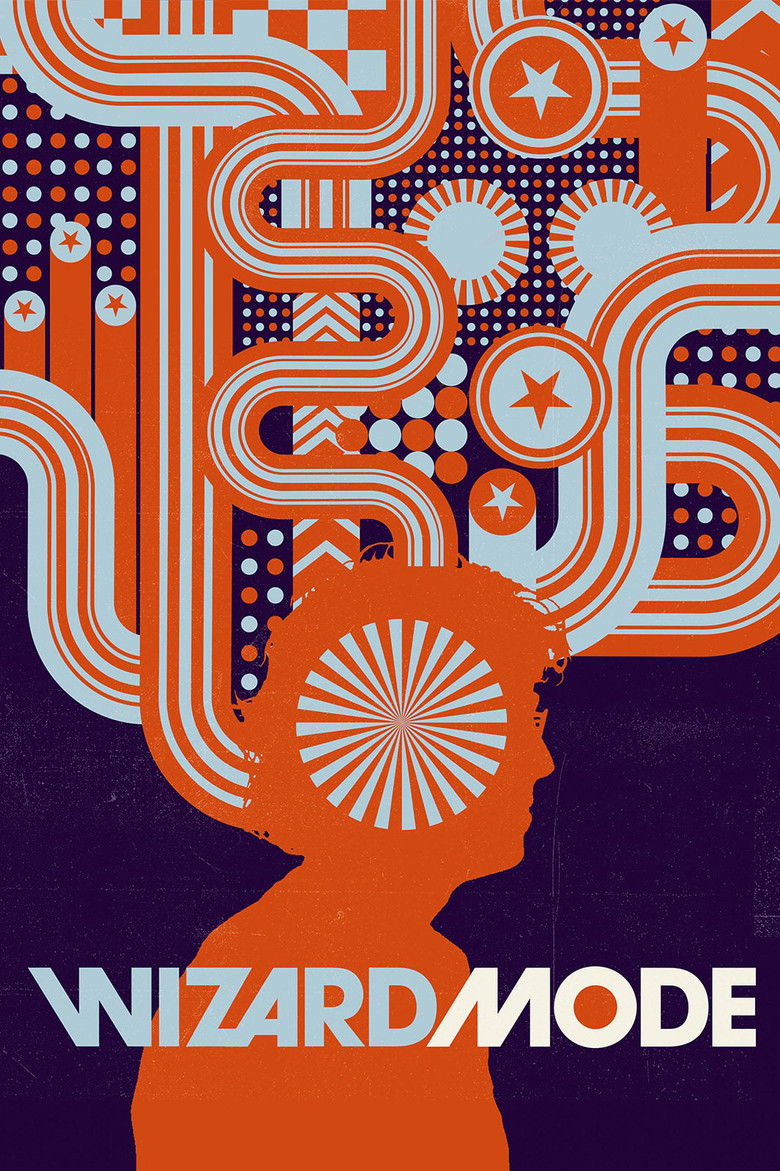
Rendezvous with Madness Festival holds a singular position in the North American film calendar as the only dedicated event that brings together films exploring mental health, addiction, and the boundaries of the mind, presented alongside community mental health programming in Toronto, Canada.
The festival was founded by Workman Arts, a Toronto-based organization that since 1988 has supported artists with lived experience of mental illness and addiction. The annual film event emerged from that mandate, positioning cinema not merely as entertainment but as a vehicle for examining psychological experience with candor and complexity. The name itself signals the festival's intention to confront rather than sanitize: "madness" is reclaimed as a lens, not a slur, and the programming reflects that deliberately unsettling stance.
Films selected for Rendezvous with Madness tend to resist easy categorization. Narratives exploring paranoia, psychosis, dissociation, and trauma occupy territory that overlaps substantially with psychological horror and thriller traditions, and the festival's programming has historically welcomed works that sit in the uncomfortable space between clinical portraiture and genre unease. A film need not be a horror film to screen here, but many horror and genre entries find a natural home in a program built around the distorted, the fractured, and the obsessive.
The festival runs annually in Toronto each autumn, typically in November, drawing audiences from the city's arts community as well as healthcare professionals, advocates, and filmmakers who use the event as a meeting point. Screenings are paired with panel discussions, filmmaker Q&As, and mental health community resources, creating an event that functions as both a film festival and a public health conversation.
Because of its explicit mental health focus, Rendezvous with Madness has cultivated a distinct programming identity that separates it from broader genre festivals while still attracting work with genre sensibilities. Films dealing with delusion, compulsion, and psychological disintegration often carry the formal and emotional weight of horror without announcing themselves as such, and the festival's curatorial approach welcomes that ambiguity.
Canadian cinema features prominently in the lineup, reflecting both Workman Arts' roots and the strength of Canadian filmmaking in psychologically complex drama and experimental work. International films are also well represented, and the festival has presented work from across Europe, Latin America, and Asia that touches on mental health within specific cultural contexts - offering perspectives on madness, institutionalization, and recovery that differ significantly from the Anglo-North American clinical model.
The festival's awards recognize achievement across documentary and fiction categories, and the Workman Arts Spotlight Award acknowledges films of exceptional resonance with the organization's core mission of centering lived experience. Short films receive dedicated programming, which has made the event a useful destination for emerging filmmakers working in psychological territory.
For viewers with an interest in genre cinema, Rendezvous with Madness offers a curated pathway into films that examine the interior life under extreme pressure - films where the horror is not always supernatural but is no less destabilizing for that. Works of surreal character, narratives shaped by unreliable perception, and studies in psychological collapse populate the program alongside more realist documentaries and social-issue dramas.
The Toronto setting matters: the city is one of North America's most active production centers, and the festival benefits from proximity to a large community of working filmmakers, mental health institutions, and arts organizations. Public screenings at venues across the city bring films to audiences who might not otherwise encounter work of this kind, and the festival's partnership with Workman Arts lends institutional continuity that many small festivals lack.
Rendezvous with Madness remains a festival where cinema is understood as a form of witness - a way of looking at psychological experience that complements, and sometimes challenges, the clinical gaze. For genre audiences attuned to the darker registers of human consciousness, that stance makes it one of the more genuinely disquieting events on the fall circuit.
 Toronto International Film Festival
  DMZ International Documentary Film Festival
  Fajr Film Festival
  Visions du Réel