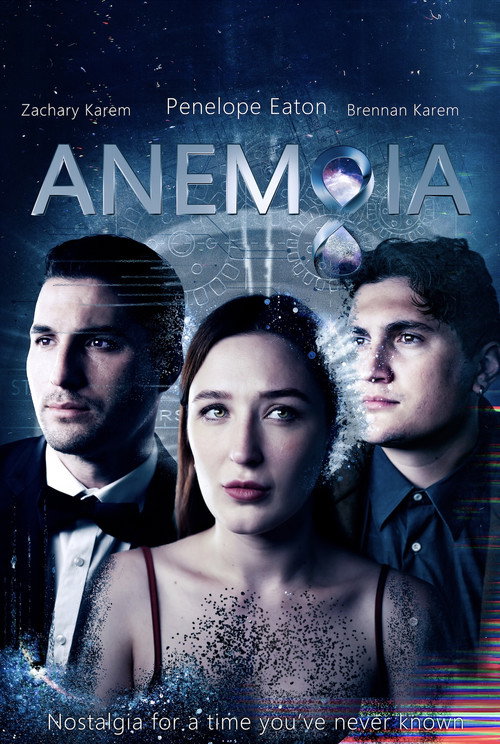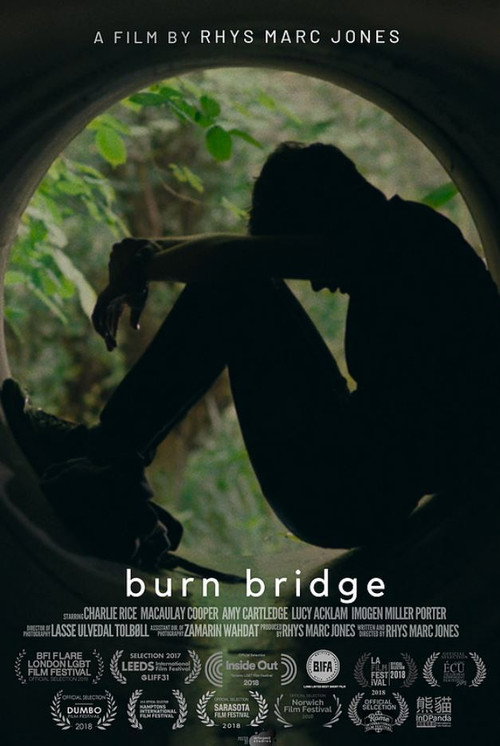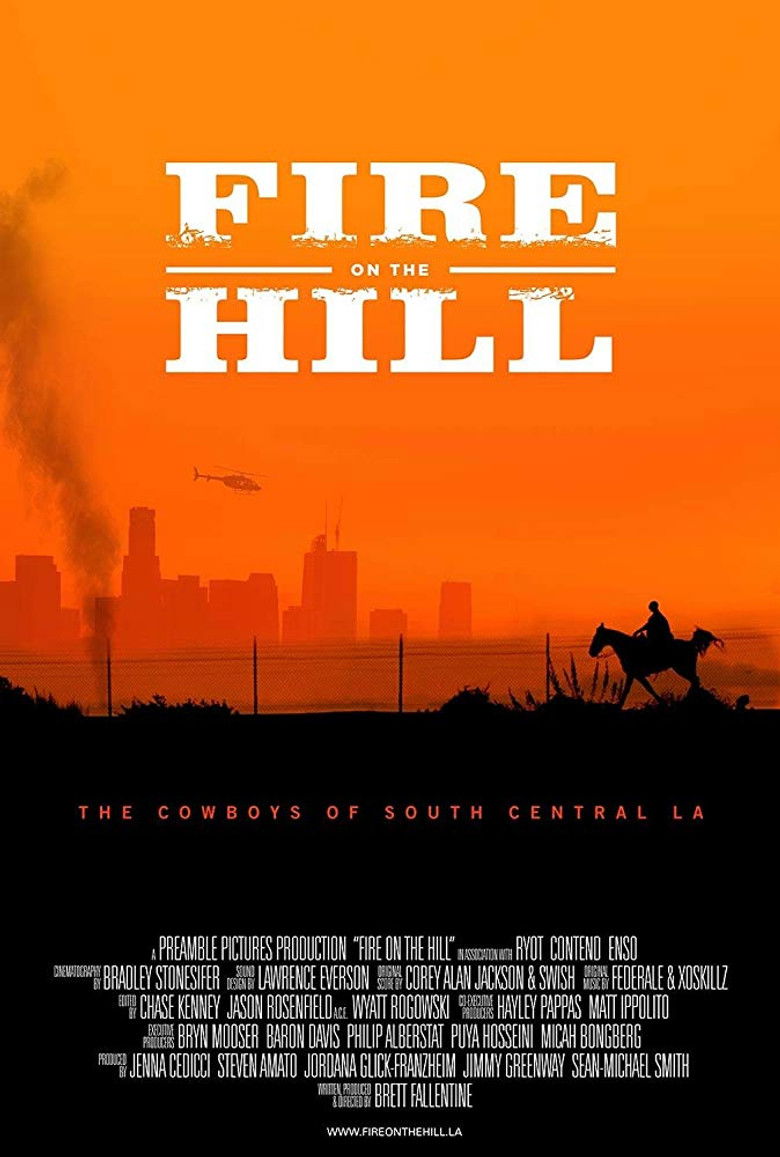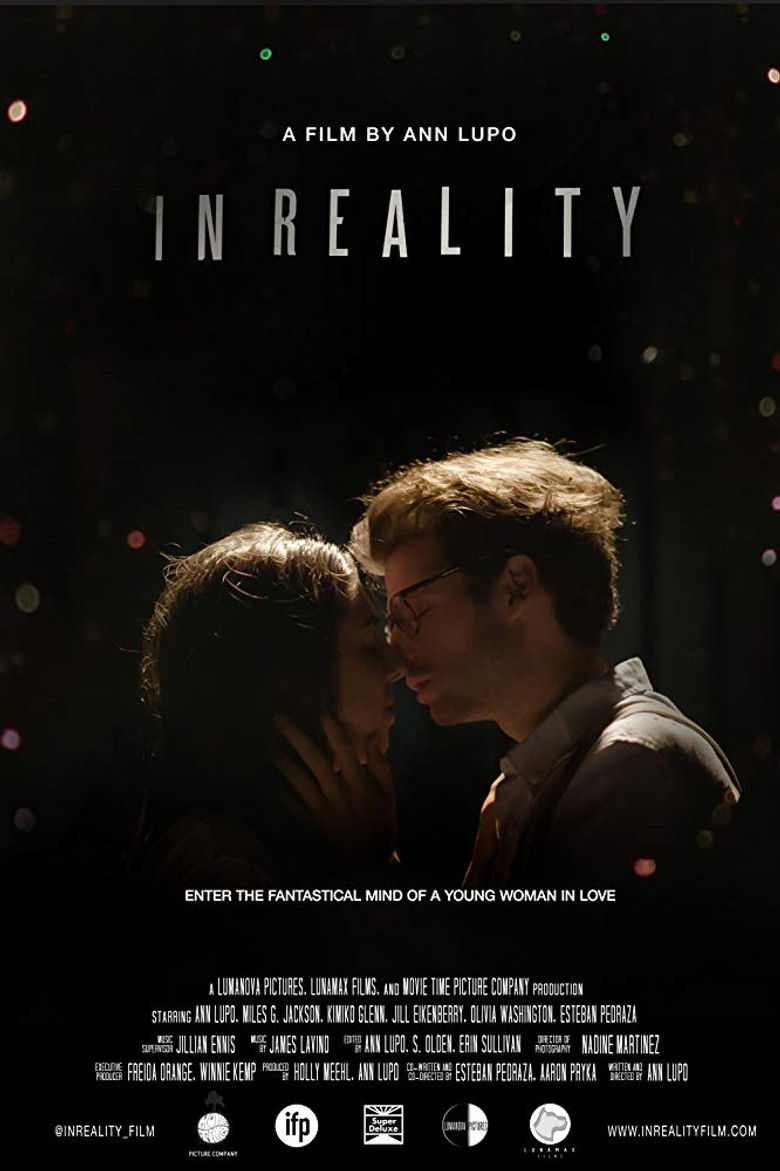

The Los Angeles Film Festival was a prominent annual showcase for independent American and international cinema held in Los Angeles, California, that operated for several decades before ceasing operations in 2017 - a closure that reflected the structural difficulties facing mid-sized American festivals competing in a market saturated with Los Angeles-based industry events and increasingly fragmented by streaming.
The festival was organized by Film Independent, the nonprofit arts organization that also produces the Spirit Awards, which honor independent American film. This connection to Film Independent gave the LA Film Festival a specific institutional identity: it was the flagship public event of an organization committed to independent cinema, and its programming reflected that mission - prioritizing emerging voices, diverse perspectives, and work made outside the studio system.
During its operational years, the festival presented features, documentaries, and short films, with a competitive program awarding prizes across multiple categories. Its Los Angeles location - the global capital of film production - gave it both an advantage and a challenge. On one hand, filmmakers and industry professionals were nearby; on the other, the city's entertainment industry ecosystem means that a film festival without Sundance's discovery function or Toronto's commercial-deal energy can struggle to define its purpose.
The festival programmed broadly across genres and national cinemas. Work from Latin America was consistently well-represented, reflecting both Los Angeles's large Latino population and the festival's genuine engagement with Spanish-language cinema. Mexico and Brazil were among the frequently represented countries. Genre cinema - including thriller and horror titles - appeared in the program, though the festival's primary orientation was toward prestige independent drama and documentary.
Film Independent's Spirit Awards connection meant that films appearing at the LA Film Festival sometimes had awards-campaign adjacency, and the festival was used by independent distributors as a platform for qualifying screenings and audience testing in the key Los Angeles market.
The festival's closure in 2017 prompted discussion in the American film community about the sustainability of city-based independent film festivals in an era when streaming services had become primary distributors for the kind of independent and international work such festivals had historically championed. Film Independent itself continued to operate its other programs following the festival's end, but the LA Film Festival as a distinct event did not continue.
For film historians and researchers, the Los Angeles Film Festival's archive represents a useful record of American independent cinema priorities in the late 1990s through the 2010s, and its output - films it premiered, awards it gave, and filmmakers it championed - maps onto the broader history of United States independent film production during that period.
The festival's legacy also includes its role in Los Angeles's civic film culture. By presenting free and low-cost screenings in public and community spaces across the city, the festival attempted to reach audiences beyond the industry professionals who form the core of most LA film events. That commitment to public access was a defining characteristic of its Film Independent mandate.
 Berlin International Film Festival
  International Film Festival Rotterdam
  Seattle International Film Festival