


South Korea
South Korean horror works by refusing to separate genre from emotional damage. The ghosts, monsters, and infections matter, but they arrive inside already wounded families, compromised institutions, and social systems built on shame, hierarchy, and denial. That is why Korean horror feels so unstable at its best. The supernatural never shows up to decorate the story. It arrives to finish a crisis already underway.
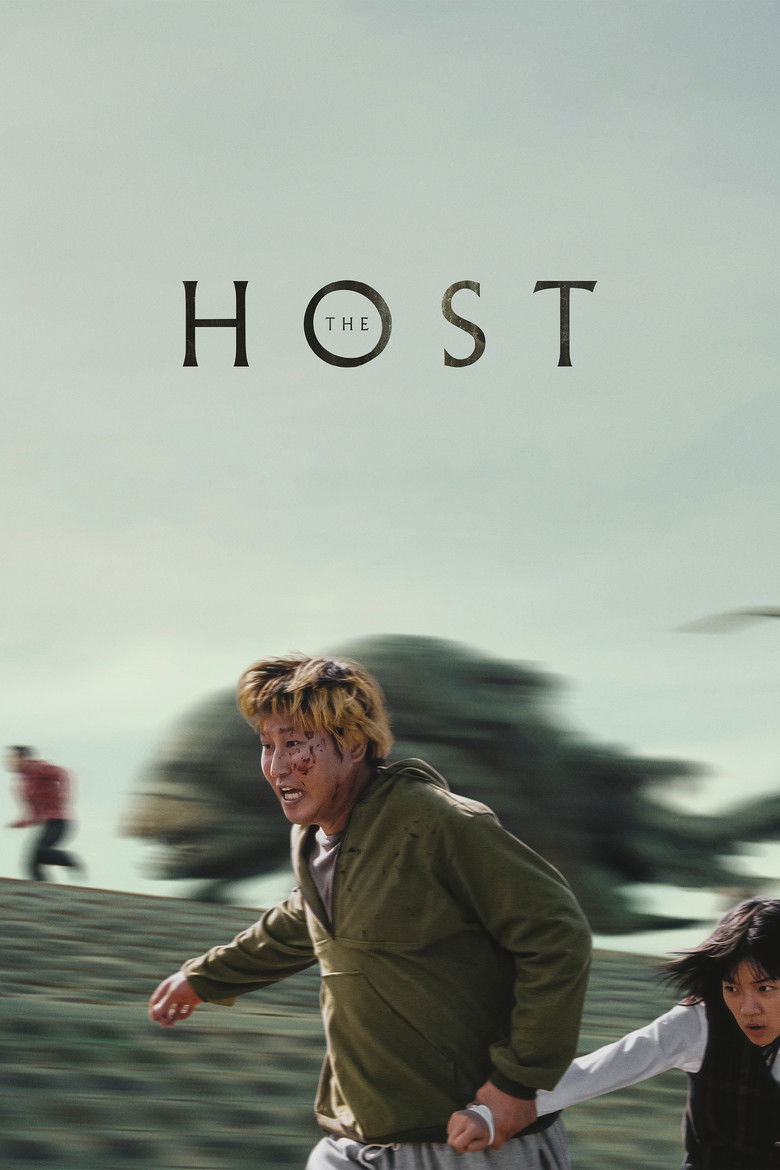
A Tale of Two Sisters remains foundational because it fuses domestic melodrama, repression, and haunting with unnerving precision. The Host pulls monster cinema into class critique and state incompetence without losing speed or spectacle. The Wailing expands the scale toward folklore, possession, and communal panic, while Train to Busan proves Korean horror can turn a zombie setup into a brutal study of selfishness and sacrifice.
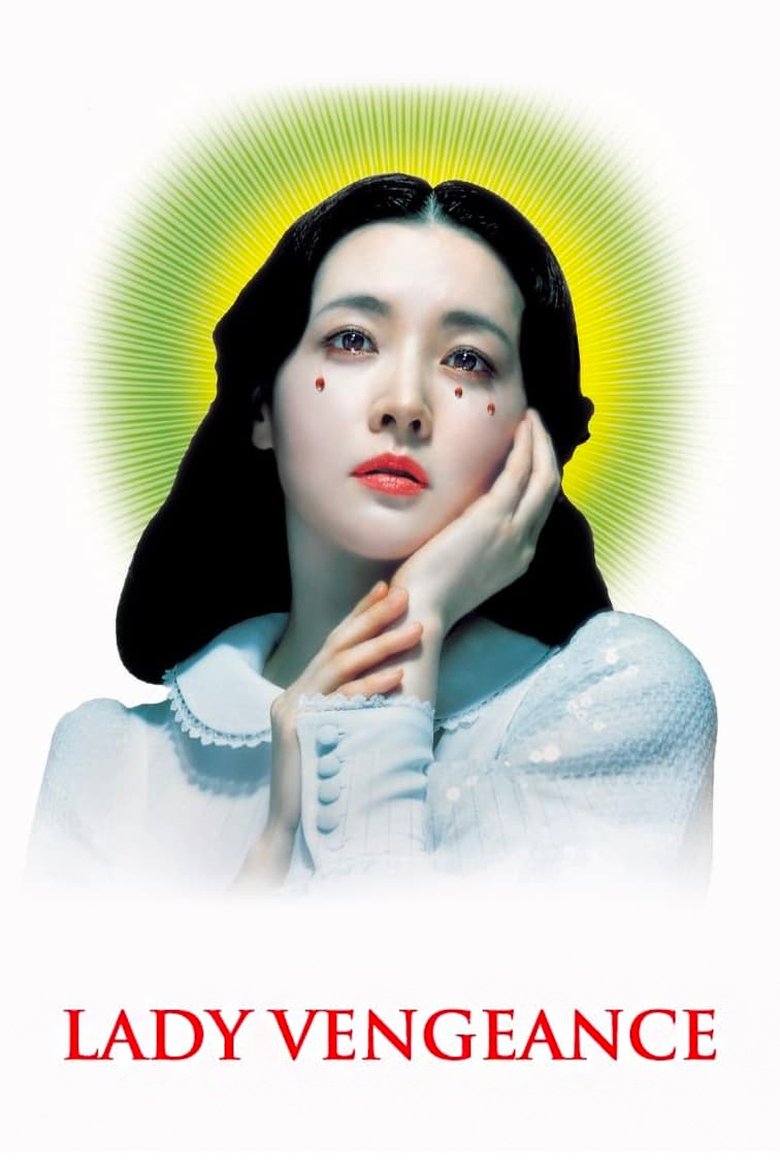
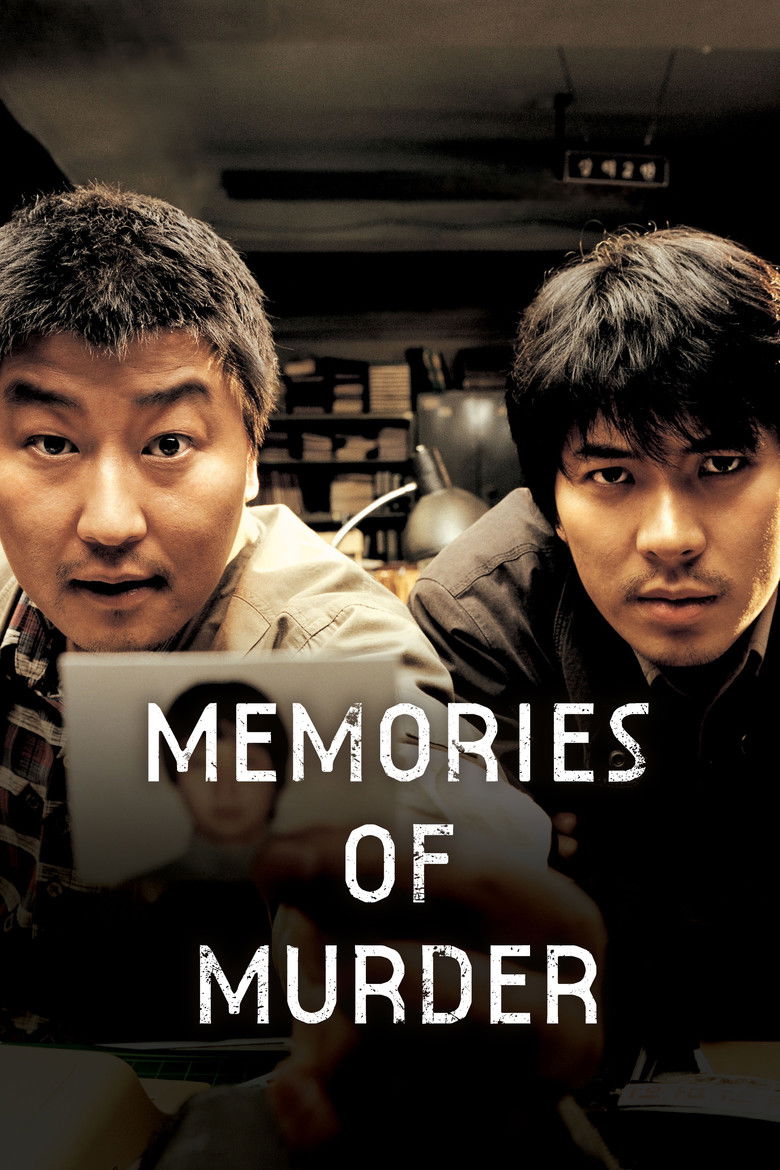
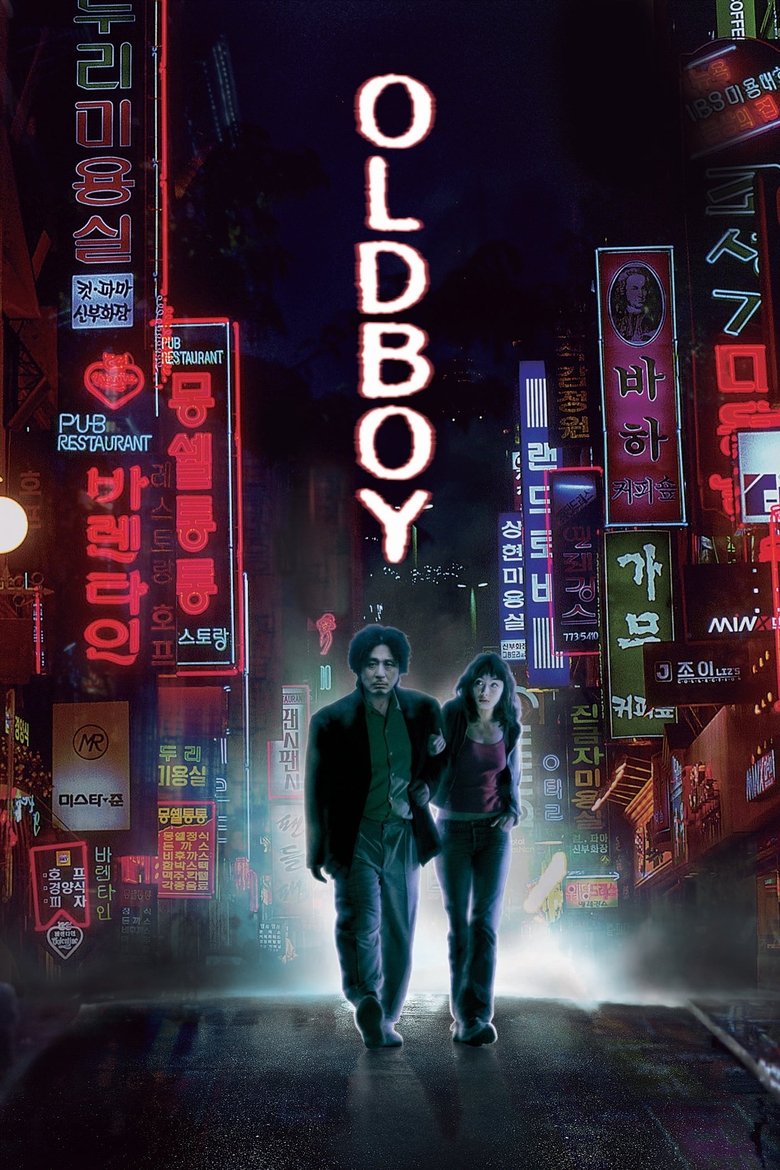
The decisive names are Na Hong-jin, Bong Joon-ho, and Park Chan-wook. Each sits differently inside or beside horror, but all three helped redefine what international audiences expected from Korean genre cinema. South Korea's horror matters now because it keeps binding terror to the family, the nation, and the social wound instead of treating fear as abstraction.
Country pages also help resist the usual funnel of horror history, where a handful of dominant industries absorb all discussion and every other cinema becomes a footnote. Reading a smaller or less exported corpus on its own terms can correct that imbalance. It can show how local censorship shaped what could be shown, how funding models pushed horror toward television, prestige, or underground practice, and how regional markets rewarded some fear-images over others. That perspective is especially valuable when the database is still growing, because it keeps the page open to future discoveries rather than freezing it around a small imported canon.
There is also a simple viewing benefit. If you arrive through a favorite subgenre, a country page can redirect your attention toward contexts you might otherwise miss. A viewer interested in supernatural narratives may discover that the films tied to a given country are less about ritual than about social breakdown; someone drawn to slashers may find almost none, yet uncover a stronger tradition of psychological horror or political nightmare. That friction is productive. It turns national browsing into criticism, not just filing, and it is one of the reasons these pages are central to how CaSTV frames horror as a living, uneven world system.
The result is a better kind of browsing: one that treats national context as an interpretive tool, not a decorative flag attached after the fact.









Directors
Also explore
Festivals