

Best 2000s Horror Movies
The 2000s were a decade of contamination. J-horror remakes flooded the market, torture cycles went industrial, found footage came back with force, and international horror pushed harder against American good taste than Hollywood usually liked. It was also a decade when digital textures started changing how fear looked and moved. The best 2000s horror movies are not unified by one trend so much as by a general loss of comfort. The body, the home, the archive, and the nation all felt more unstable.
The best 2000s horror movies keep returning to violation: bodily, domestic, technological, and ideological. It was a decade that learned to monetize cruelty while also producing remarkable formal experimentation, and that contradiction is what makes it so hard to summarize. The 2000s hurt, and they often knew exactly why.
The films on this list

Pulse 2001
Kiyoshi Kurosawa turns online connection into a machine for spiritual isolation, seeing digital life as lonely infrastructure years before that became common language. The ghosts matter, but the vacancy matters more.

Trouble Every Day 2001
Claire Denis makes erotic hunger indistinguishable from predation, filtering horror through art-cinema patience without ever sanitizing it. Desire lands as a bodily condition, not a metaphor.
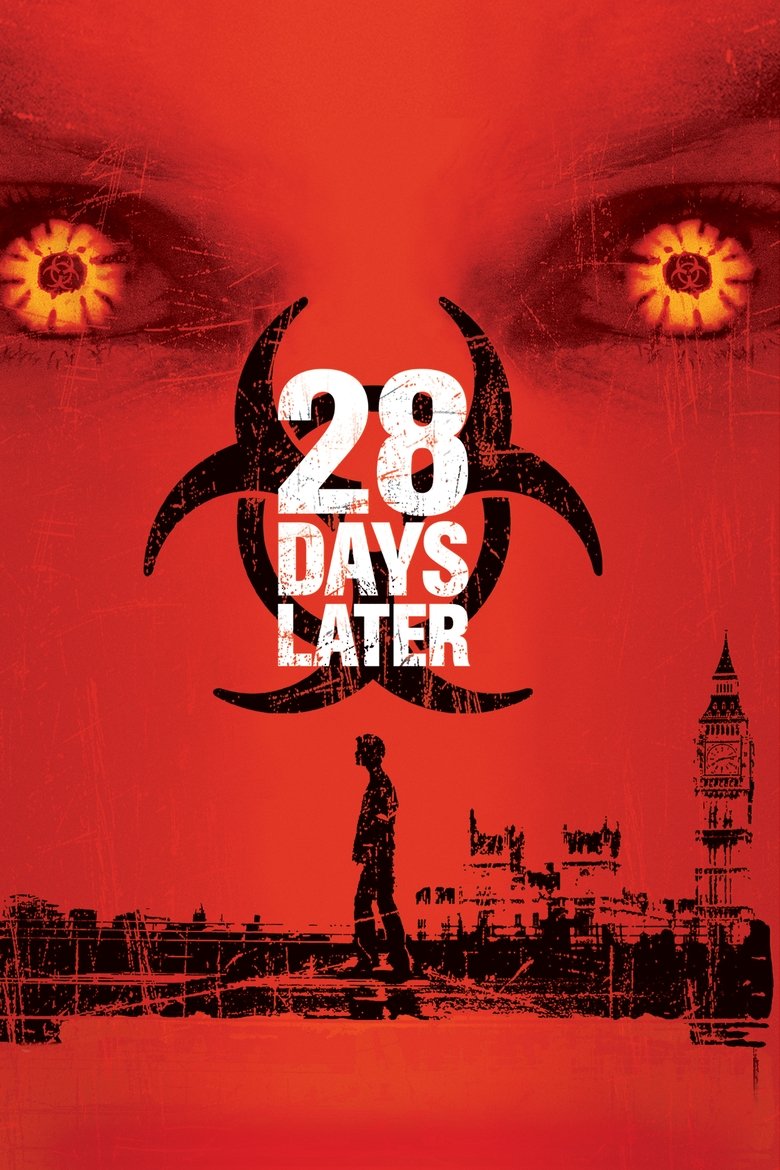
28 Days Later 2002
Danny Boyle gives apocalypse a digital raggedness that still feels electrifying, reviving the infected-zombie mode while making national collapse feel intimate. Empty London has rarely looked this fragile.

A Tale of Two Sisters 2003
Kim Jee-woon lets grief, repression, and domestic unease poison every room before the supernatural fully arrives. The film is beautiful but never decorative, and its elegance is part of the trap.

Saw 2004
James Wan condensed 2000s nastiness into a dirty little puzzle box, the bathroom setup and cruel moral engineering reshaping commercial horror for better and worse.
![[REC] (2007) - film poster, directed by Jaume Balagueró](https://cabaneasang.tv/wp-content/uploads/castv/posters/rec-2007-jaume-balaguero-poster.jpg)
[REC] 2007
Jaume Balaguero and Paco Plaza gave found footage a new speed and body count, trapping viewers inside a pure escalation machine. It is concise enough to feel lethal.

Inside 2007
Bustillo and Maury turned grief, pregnancy, and domestic space into relentless invasion. The New French Extremity never had a cleaner knife.
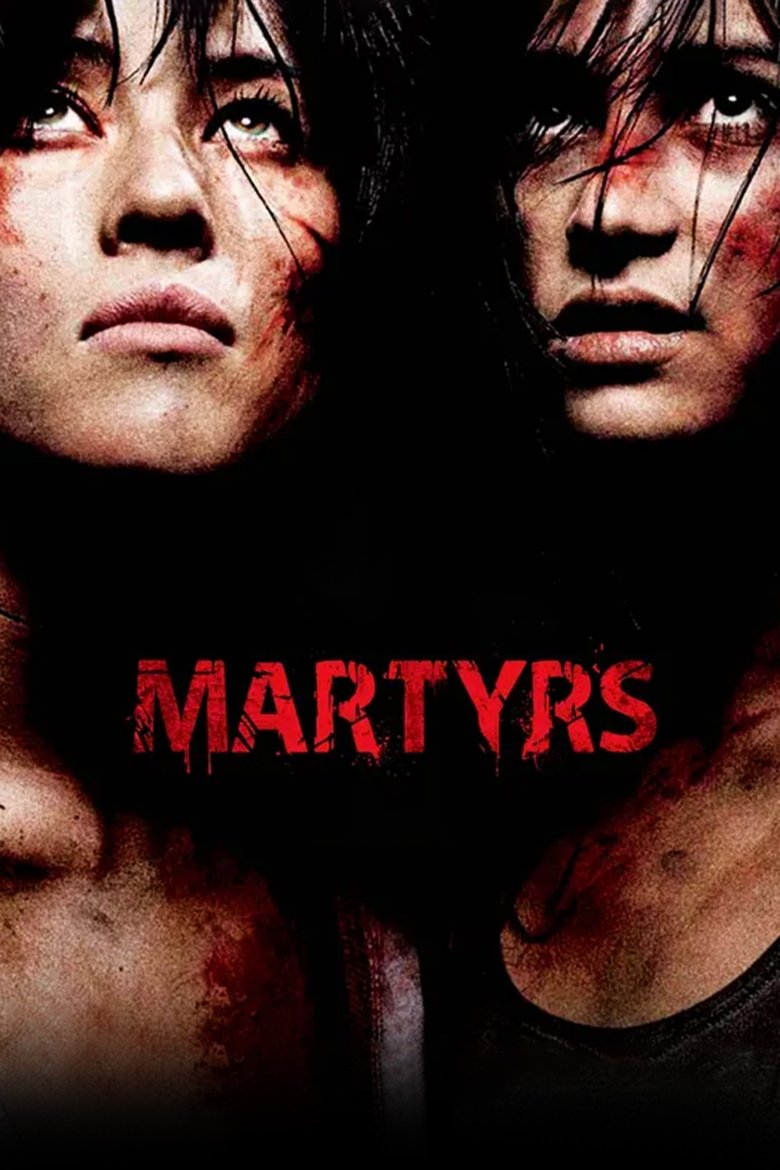
Martyrs 2008
Pascal Laugier refuses comfort on every level, pushing institutional violence and metaphysical curiosity onto the same mutilated stage. It is ugly, serious, and impossible to shrug off.

The Descent 2005
Neil Marshall sends six friends below ground and lets darkness, injury and mistrust do half the hunting. By the time the cave reveals its inhabitants, the expedition has already become a pressure chamber.
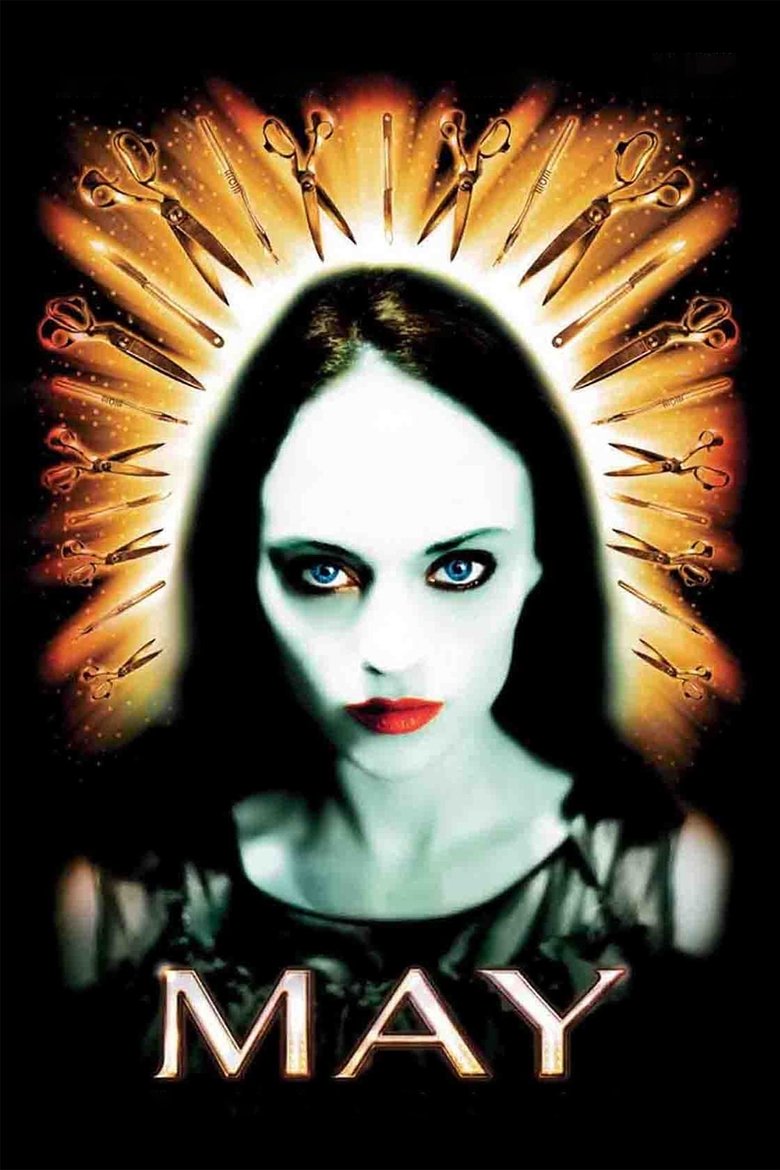
May 2003
Angela Bettis makes May's loneliness painful before it turns surgical. Lucky McKee builds a crooked romantic tragedy around the idea that if no whole person will love you, perhaps the best parts will do.

Let the Right One In 2008
A bullied boy meets the child next door, who only comes out after dark. Tomas Alfredson holds tenderness and predation in the same frozen frame, making the vampire bond both refuge and trap.

The Orphanage 2007
A mother returns to the seaside orphanage where she grew up, then loses her son inside its games and sealed rooms. J.A. Bayona makes grief, memory and ghost-story mechanics pull in the same direction.