

The 25 Best Survival Horror Movies
Survival horror is not a monster category, it is an accounting problem. The films worth ranking are the ones that itemise the cost: what gets abandoned in the cave, who gets voted out of the supermarket, which lie the men agree on before they drive home.
So this list sorts by consequence rather than by threat. A bear, a Nazi promoter, a company that undervalued its own crew and a bayou that has seen soldiers before all do the same work here. The titles we rate highest are the ones where getting out is not the same as winning, and where the protagonist pays in something other than blood.
Watch these free right now

How this list was built
We sorted the canon by what is being survived rather than by what is doing the killing: the wilderness film, the siege, endurance in confinement, the collapse, and the hunt where the predator is organised and human. Ranking inside those modes rewards films that make survival cost something.
Zombie and shark pictures have their own lists on this site, so they appear here only where they defined a form, as with Romero's farmhouse siege. Everything else earns its place on how honestly it treats the arithmetic of staying alive.
The films on this list

The Descent 2005
Marshall traps six women underground and lets the grief they brought with them do half the damage. The crawlers are almost a mercy: the cave was always going to finish the job on its own.

Alien 1979
Survival as a labour dispute: a crew of contractors discovers the company priced their lives below the cargo. Ripley wins by reading the manual nobody else bothered with.
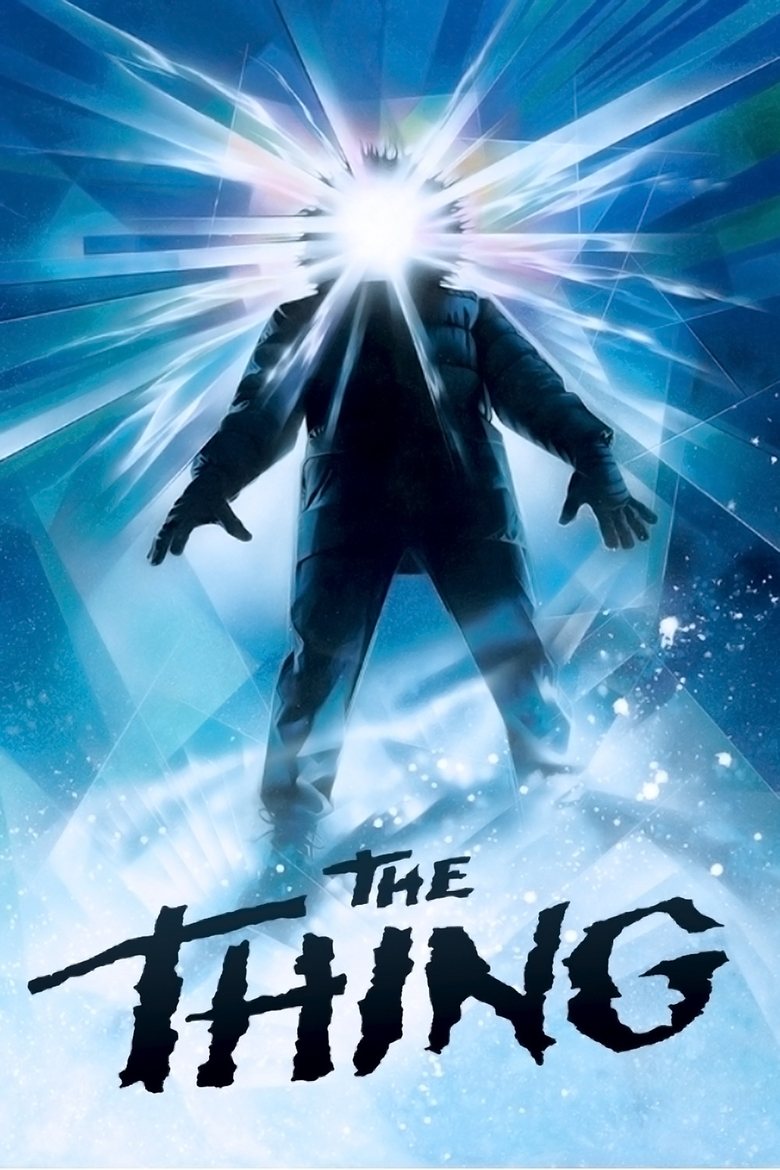
The Thing 1982
Carpenter's outpost cannot be defended, because the enemy is already in the room and possibly inside you. The blood test is the purest thing horror has ever done with suspicion.

Night of the Living Dead 1968
The template every siege film since has borrowed: board the windows, then watch the people inside destroy one another over who gets to give the orders. Nobody is rescued.
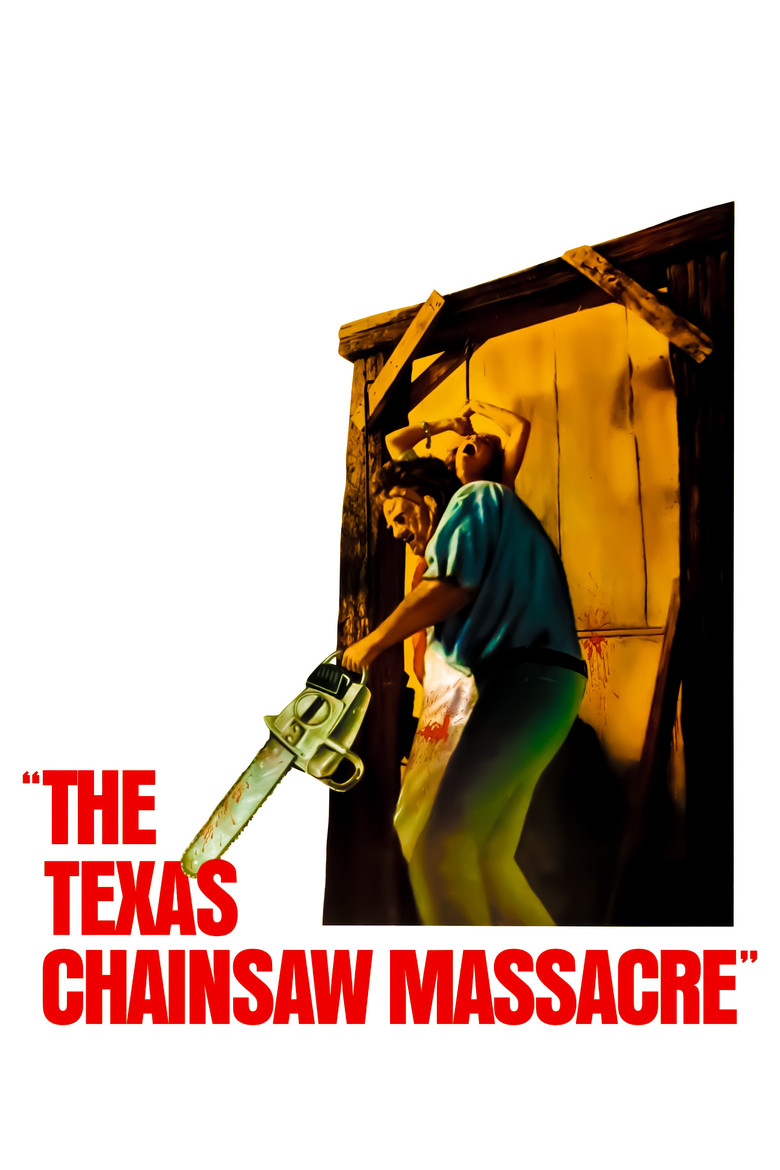
The Texas Chain Saw Massacre 1974
Hooper strips survival down to running and screaming in daylight heat, with a family business waiting at the end of the road. Sally gets out and gets nothing back.

Deliverance 1972
Four men rent the wilderness for a weekend and get billed at the real rate. Boorman's interest is the cover story they agree on afterwards, which is where the actual horror sits.
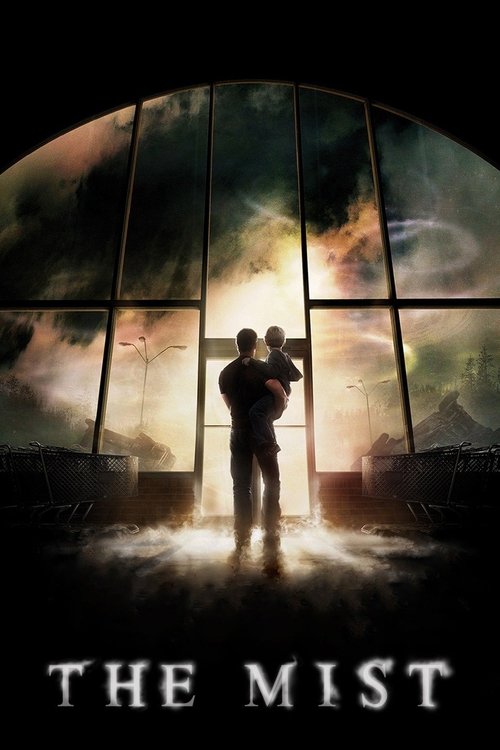
The Mist 2007
The monsters outside are less efficient than the congregation forming inside the supermarket. Darabont's ending is the cruellest argument ever made against acting decisively.

Green Room 2016
A broke punk band barricaded in a Nazi venue's back room, negotiating with people who do this competently. Saulnier makes violence look like what it is: fast, clumsy, ruinous.
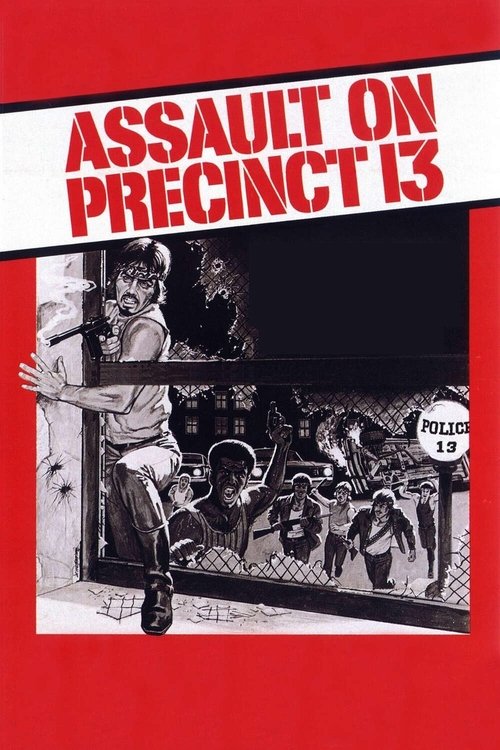
Assault on Precinct 13 1976
Carpenter reworks Rio Bravo as one night in a decommissioned station house where cop and convict share ammunition. The gang never explains itself, which is why the siege bites.

Wake in Fright 1971
A schoolteacher loses a weekend, then his standards, to outback hospitality he is not allowed to refuse. Kotcheff shows how survival can consist of becoming what surrounds you.

The Hills Have Eyes 1977
Craven's suburban family wins by out-savaging the desert clan, and he films the turn without applauding it. The vacation trailer becomes the site of an education.

Southern Comfort 1981
Weekend guardsmen with blanks in their rifles pick a fight with the bayou and lose it slowly. Hill is filming an occupation and knows exactly which war he means by it.
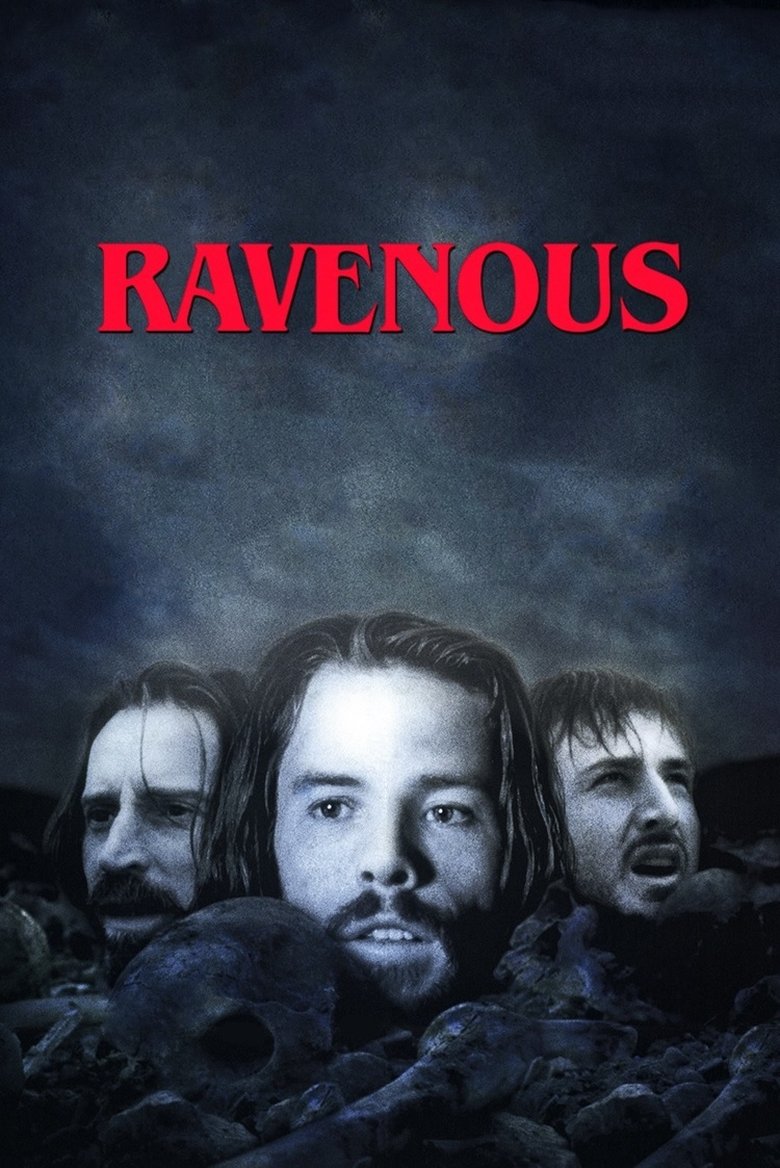
Ravenous 1999
Bird treats cannibalism as an appetite for expansion, funny one minute and appalled the next. Survival here is a conversion narrative, and it has one of the great scores.
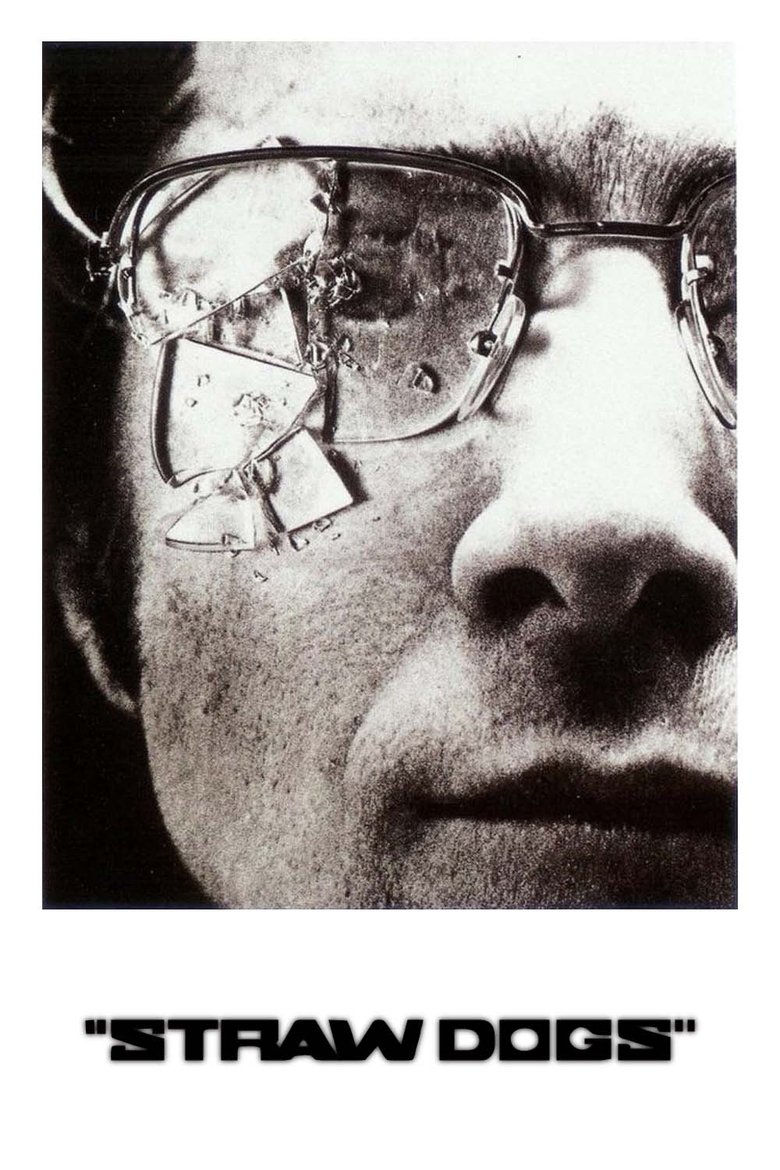
Straw Dogs 1971
Not a siege about defending a house but about a man discovering he wanted the excuse. Peckinpah grants him the fight and refuses to let him look good winning it.

Rituals 1977
Five doctors, a stolen pair of boots and a Canadian bush that audits their professional self-regard. It premiered in Montreal and it is meaner than Deliverance.

The Blair Witch Project 1999
Three film students starve, argue and walk in circles until the map stops meaning anything. Myrick and Sanchez understood that being lost is the entire horror.

Cube 1998
A Canadian puzzle box where the prisoners' only tool is each other, and the tool breaks. Natali built it in one room and never tells you who is profiting from the trap.
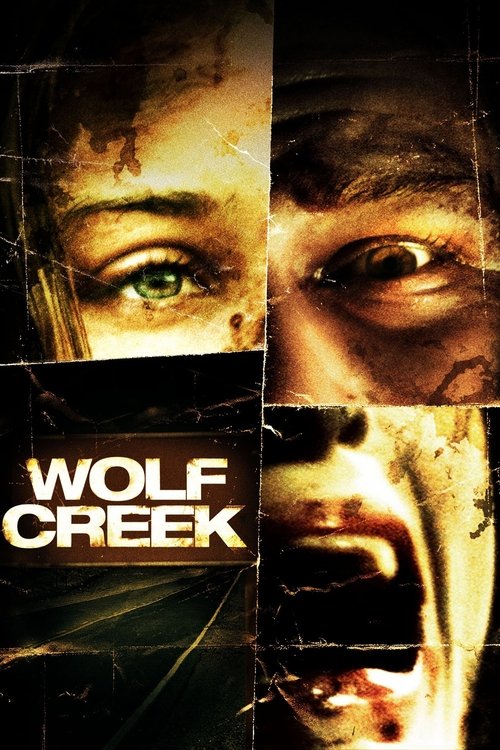
Wolf Creek 2005
Two thirds tourist idyll, one third the bill for it. McLean's killer is chatty, patriotic and entirely at home, and the outback handles the containment for him.

Eden Lake 2008
A couple camp where they are not wanted and learn that class panic runs in both directions. Watkins commits to the ending British horror usually flinches from: the locals win.

It Comes at Night 2017
Shults keeps the plague offscreen so the only visible threat is a father's protective arithmetic. Survival as a moral debt nobody in the house can settle.
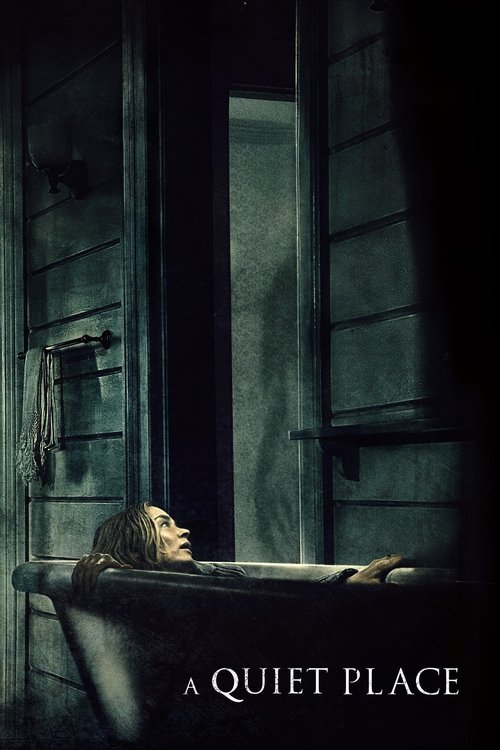
A Quiet Place 2018
Silence turned into household law, with children raised inside a rulebook their parents invented. The high concept holds because the family is credibly exhausted by it.

Backcountry 2015
One wrong turn, no map, a boyfriend too proud to admit either, and an Ontario bear with no interest in the argument. Lean, plausible and horribly patient.
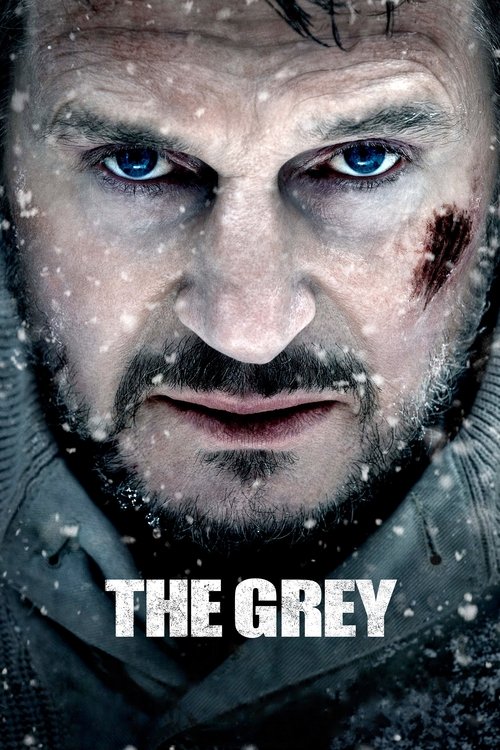
The Grey 2012
Carnahan strands oil workers in Alaska and makes the film about whether dying well is still available to them. Liam Neeson's last gesture is closer to prayer than action.

Buried 2010
Ninety minutes in a box with a phone signal and a customer service department. Cortes turns endurance into bureaucracy, which is the genuinely frightening part.

Misery 1990
Confinement with a nurse, a typewriter and a fan's editorial notes. Kathy Bates plays care and punishment as one gesture, which is why the room never loosens its grip.