

Munich International Documentary Festival
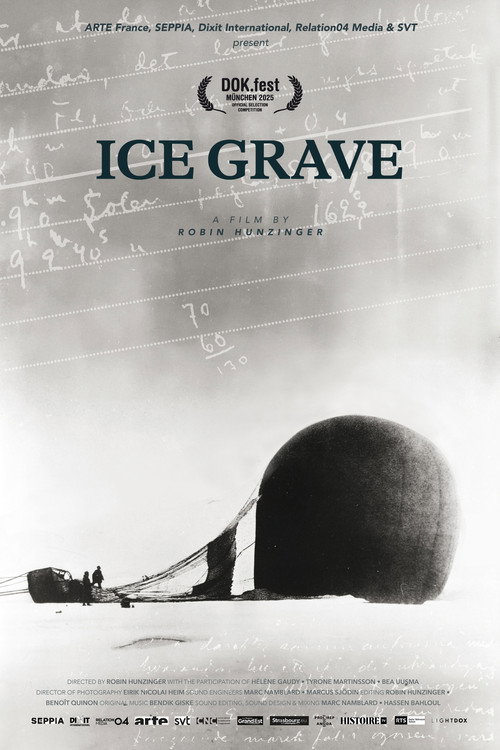
The Munich International Documentary Festival - known in German as DOK.fest Munchen - was founded in 1985 and has grown into Germany's largest documentary film festival and one of the leading non-fiction events in the German-speaking world, hosting around 100 films across its annual May programme in Bavaria's cultural capital. It is distinct from the better-known DOK Leipzig in both character and programme, with a stronger emphasis on cinematic scope and an audience drawn from Munich's large and culturally active population.
The festival takes place across multiple venues in Munich, Allemagne, including the Gasteig cultural centre, the city's municipal cinemas, and the outdoor DOK.draussen summer screen. This mix of indoor and outdoor venues gives the festival a public-facing character that extends beyond industry and press, making it genuinely accessible to general audiences rather than primarily a trade event.
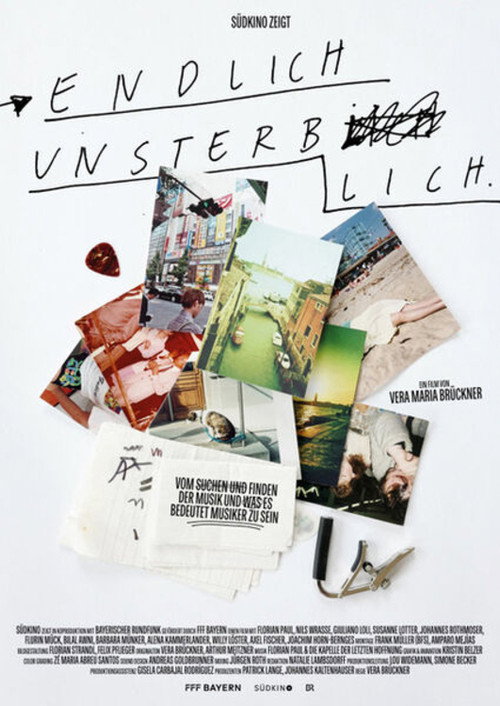
DOK.fest Munchen programmes documentaries from across the world, with competition strands for feature-length documentaries, shorter non-fiction work, and German-language production. The German competition provides a showcase for domestic documentary talent at a moment when German non-fiction has enjoyed considerable international success, with films finding theatrical distribution across Europe and selection at major festivals including Cannes, Sundance, and Berlin. The international competition draws submissions from dozens of countries, with particularly strong representation from France, Scandinavia, Eastern Europe, and États-Unis.
The festival has developed a reputation for programming documentaries that engage seriously with political and social subject matter, including films about surveillance, authoritarian governments, climate change, and human rights. This political seriousness sits alongside more formally adventurous work - essay films, hybrid documentaries, and work that blurs the line between non-fiction and experimental cinema. The programming avoids the purely journalistic in favour of films that are also genuinely cinematic.
DOK.education is a strand designed for school audiences, bringing documentary film into educational contexts and developing the next generation of non-fiction viewers. This long-term investment in audience development has contributed to Munich's unusually strong documentary culture relative to other German cities. The festival also runs DOK.forum, an industry event that supports documentary projects in development and connects filmmakers with European broadcasters, streaming platforms, and coproduction funds.
For genre cinema viewers, the Munich International Documentary Festival is most relevant through its coverage of true crime, investigative documentary, and work touching on extremity, violence, and the darker dimensions of social systems. Thriller -adjacent documentary work - films structured around investigation, revelation, and moral confrontation - appears regularly in the programme, and the festival has no reluctance to screen difficult material. Films about serial killers, state violence, and organised crime enter the programme when they demonstrate artistic ambition alongside journalistic rigour.
The relationship between documentary and horreur is sometimes direct: non-fiction films about cults, persecution, and mass violence provoke responses in audiences that are indistinguishable from those generated by the most effective fictional horror. DOK.fest Munchen's willingness to programme this kind of psychologically demanding documentary is one of its defining qualities.
Retrospective and thematic programmes at the festival provide historical depth. Surveys of particular national documentary traditions, tributes to major figures in non-fiction filmmaking, and thematic collections exploring a social or formal question give the programme an educative dimension beyond new-release programming.
Munich's position within German and European cultural life gives DOK.fest Munchen a natural constituency beyond documentary specialists. The city's investment in culture, its established press corps, and its proximity to the Austrian and Swiss documentary communities make it a focal point for German-language non-fiction that extends across national borders. Awards at the festival carry genuine prestige within the German-language industry and provide a meaningful platform for both established and emerging documentary talent.