

Filmfestival Max Ophüls Preis
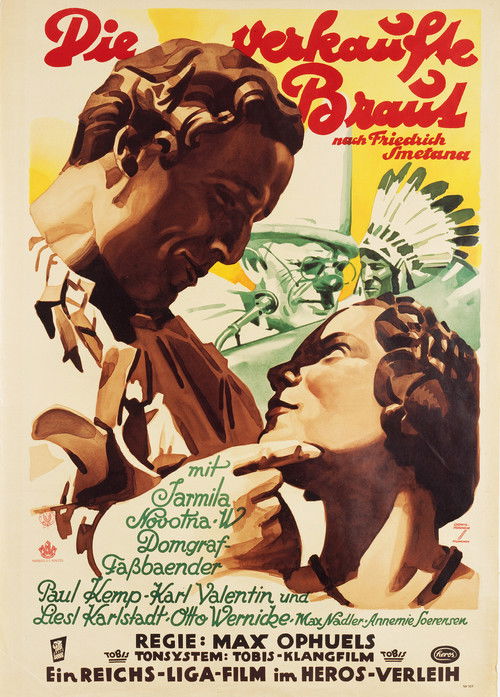
The Filmfestival Max Ophüls Preis, held annually in Saarbrücken in the southwest of Allemagne, is dedicated exclusively to emerging German-language filmmakers from Germany, Austria, and Switzerland, making it the most prestigious competitive event specifically for debut and early-career directors working in the German-speaking world. Named for the celebrated German-born director Max Ophüls - known for his visually elaborate, emotionally intricate films including "Letter from an Unknown Woman" and "Lola Montes" - the festival honors his legacy by championing the next generation of German-language cinema.
Saarbrücken's location near the French border gives the festival a particular character: it operates at a cultural crossroads, close to both French and Luxembourgish territory, in a city whose own history of border-shifting and industrial character gives it a distinct identity within Allemagne. The choice of Saarbrücken rather than Berlin or Munich was deliberate, positioning the festival outside the established centers of German cultural and media power.
The festival's competitive structure focuses on features, medium-length films, and short films, with the main prize - the Max Ophüls Preis itself - awarded to a debut or second feature by a German-language director. The award carries genuine industry prestige; past winners have gone on to significant careers in German and international cinema, and winning or even competing at Saarbrücken is understood within the industry as a meaningful marker of emerging talent. Distributors, broadcasters, and producers attend specifically to identify new voices before they become widely known.
Genre work has appeared in the festival's selections over the years, reflecting the breadth of what German-language emerging directors are making. Thriller films, dark-comedy work, and occasionally horreur have been programmed alongside the social dramas, coming-of-age narratives, and formally experimental films that constitute much of the selection. The festival does not specialize in genre, but its commitment to programming the full range of what emerging German-language filmmakers are making means that genre work is not excluded.
The competitive jury changes annually and includes directors, critics, distributors, and other film professionals, ensuring that the prizes reflect a range of perspectives on what constitutes strong emerging work. An audience prize runs alongside the jury awards, capturing a different kind of validation - popular enthusiasm rather than professional judgment - which sometimes diverges interestingly from the jury's decisions and points toward filmmakers who connect viscerally with non-specialist audiences.
The festival atmosphere in Saarbrücken is genuinely intimate. The city is large enough to support a real festival infrastructure but small enough that the film community attending - filmmakers, critics, students, industry professionals - encounters itself constantly over the course of the week. This produces the kind of sustained discussion about German-language cinema and its directions that is harder to achieve at the larger, more diffuse events in Berlin or Hamburg.
For students and recent graduates of German-language film schools - the Hochschule für Film und Fernsehen in Munich, the Deutsche Film- und Fernsehakademie Berlin, the Vienna Film Academy, and others - the Max Ophüls Preis festival is often the first major competitive goal. Premiering a short or debut feature in Saarbrücken signals arrival in the professional landscape of German-language cinema, and the network built at the festival during a strong competition year can sustain careers for a decade afterward.