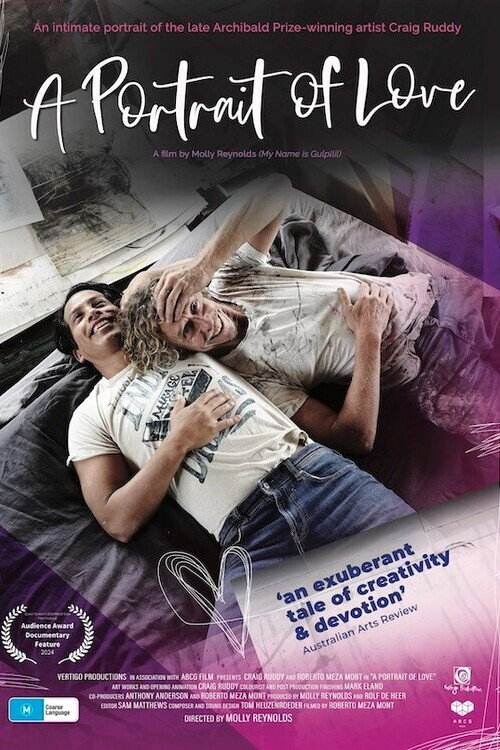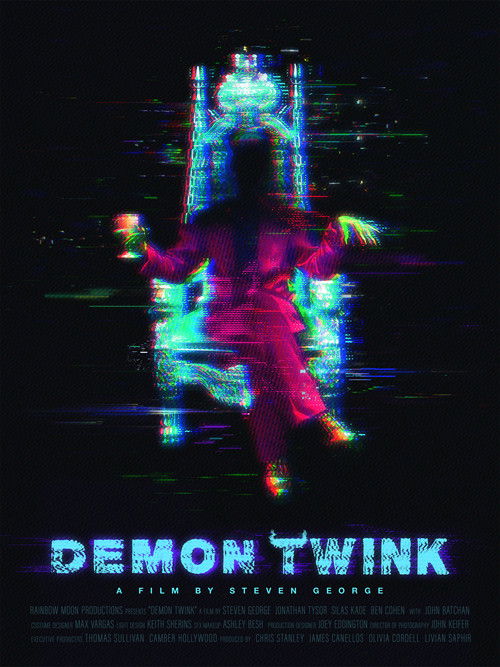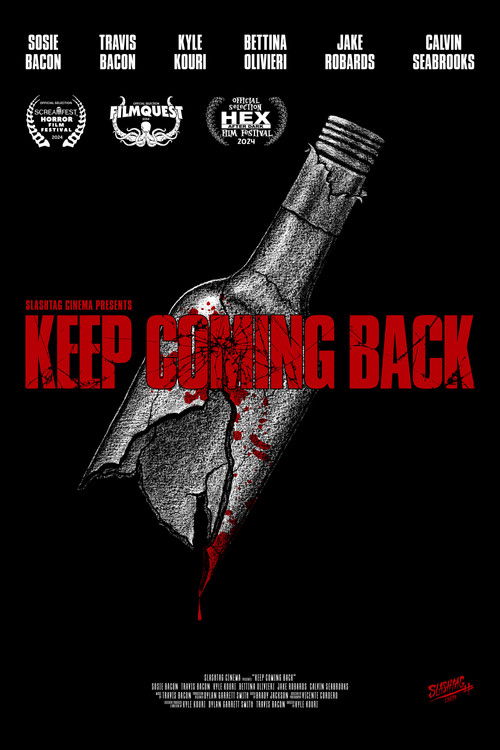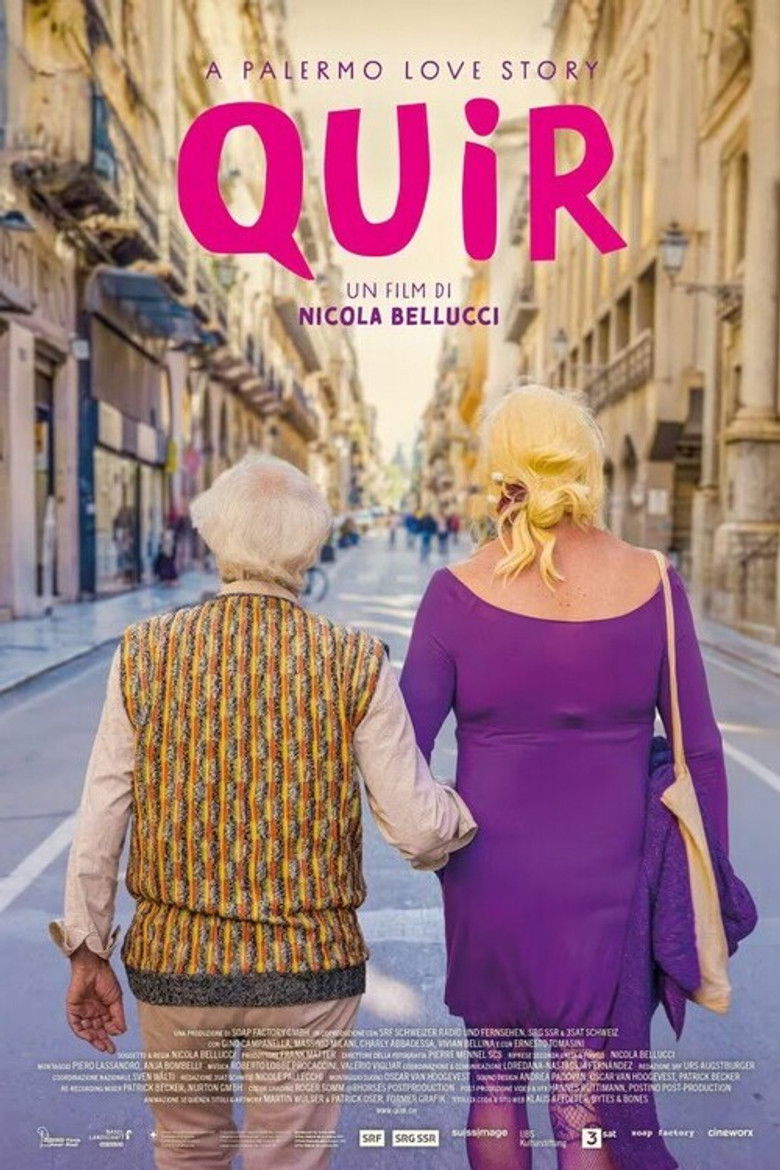
Cinema Diverse: The Palm Springs LGBTQ Film Festival is the principal annual celebration of lesbian, gay, bisexual, transgender, and queer cinema held in Palm Springs, California, a desert city that has long been one of the most significant LGBTQ cultural destinations in the United States.
Palm Springs provides an apt setting. The city has a substantial year-round LGBTQ community and a history as a retreat for queer culture that stretches back decades, and the festival benefits from a local audience that brings genuine personal investment to the programming. Cinema Diverse is not a visiting event arriving in a neutral location - it is embedded in a community for which the films on screen carry direct social and personal relevance.
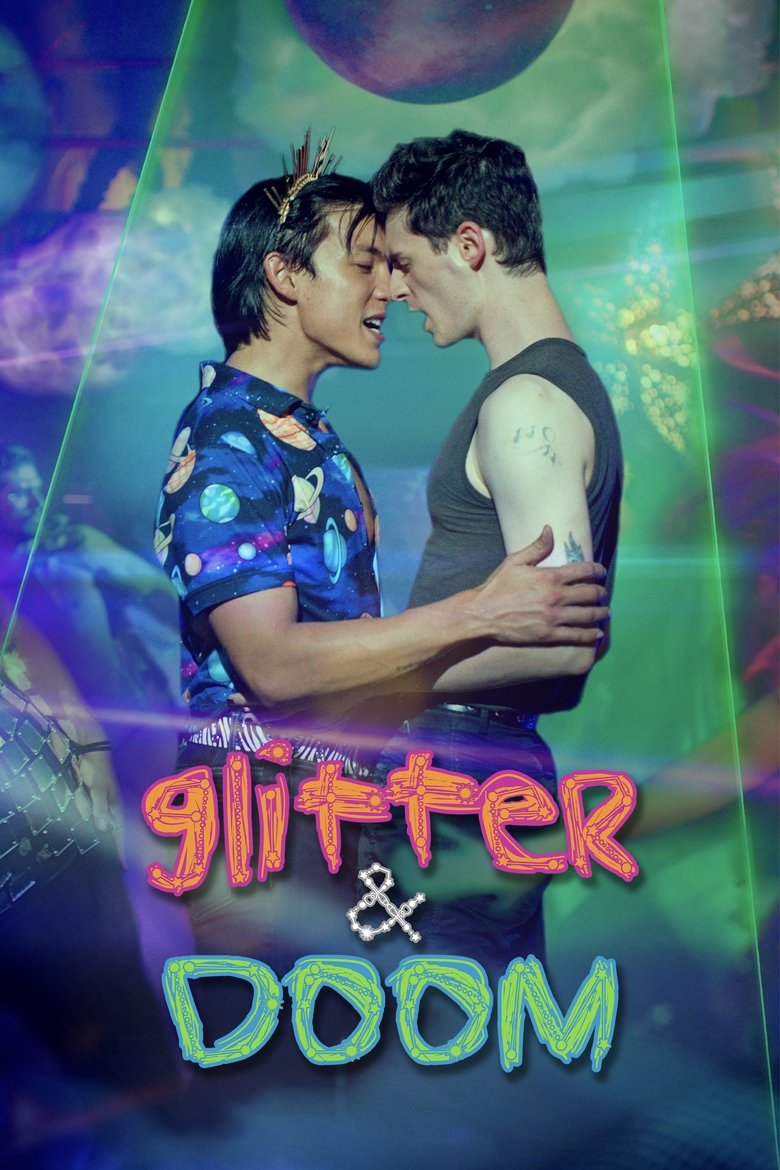
The festival programmes across a range of forms and genres, including narrative features, short films, and documentaire work. The common thread is queer perspective and queer storytelling - films made by or about LGBTQ people, drawn from both domestic American production and international cinema. The international component is meaningful: queer cinema from France, Allemagne, Espagne, Brésil, Australie, and many other countries appears in the Cinema Diverse programme, reflecting the genuinely global nature of contemporary LGBTQ filmmaking.
The documentary strand has been particularly consistent in quality. LGBTQ documentary filmmaking has produced some of the most vital non-fiction work of recent decades - films addressing HIV/AIDS history, transgender experience, queer activism, LGBTQ families, and the ongoing struggles for legal recognition and social acceptance in contexts ranging from progressive Western democracies to countries where queer identity carries genuine physical danger. Cinema Diverse has given space to films across this spectrum.
Short film programming is a meaningful part of the festival, recognising that the short form has long been important in LGBTQ filmmaking culture - both as a practical entry point for filmmakers working outside mainstream industry structures, and as a form suited to the kind of intimate personal expression that characterises much queer cinema. The festival's short programme draws from across the world and spans multiple sub-genres.
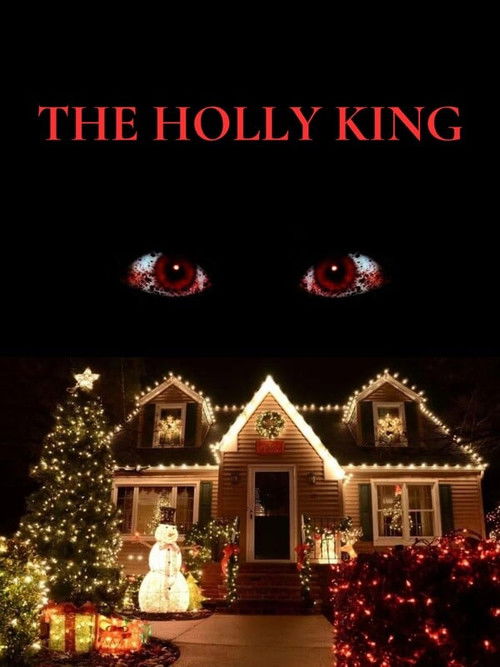
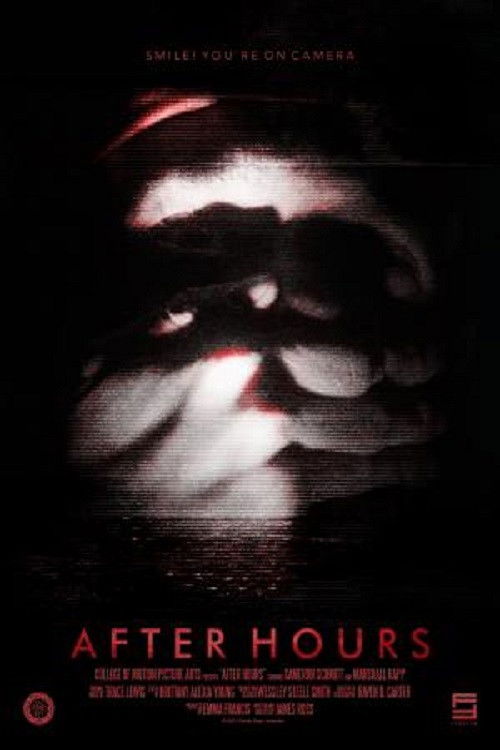
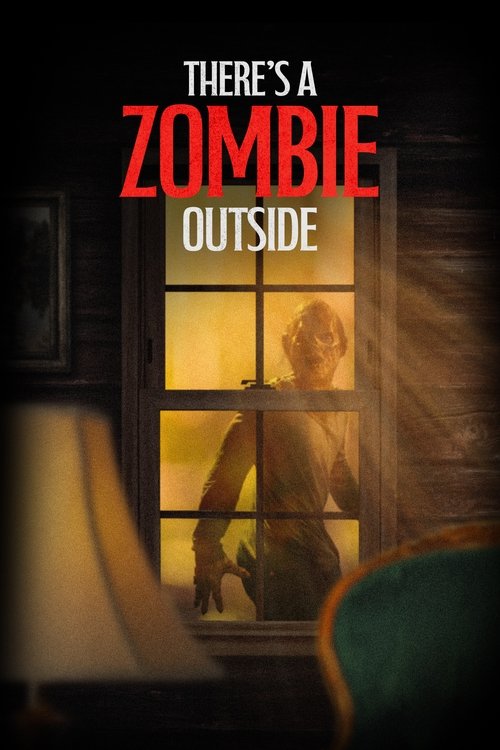
In terms of genre cinema, Cinema Diverse engages with lgbtq cinema as a category that has always had significant points of contact with genre filmmaking. Queer horreur has a rich history - from the implicit queerness coded into classic horror monsters to the more explicit queer horror of contemporary independent production - and Cinema Diverse has occasionally included genre-inflected work that sits at the intersection of queer identity and genre storytelling. Thriller et dark-comedy with LGBTQ perspectives have similarly found space in the programme.
The festival takes place in September, when Palm Springs has cooled slightly from the peak summer heat but remains warm enough for outdoor events. The timing puts it in a relatively uncrowded part of the fall festival calendar, giving it space to establish its own identity rather than competing for attention against the larger generalist festivals that cluster in the early autumn.
Cinema Diverse is organised by the Palm Springs Cultural Center, which also operates other cultural programming in the city. The institutional connection provides organisational stability and a physical home for the event, which benefits from the Cultural Center's existing relationships with local venues and the community.
The festival awards prizes across its competition categories, and the jury and audience awards both carry weight within the LGBTQ film community as indicators of films that have resonated strongly with a specifically invested audience. For LGBTQ filmmakers seeking to connect their work with audiences who will engage with it on its own terms, Cinema Diverse offers a meaningful platform in one of America's most historically significant queer cultural centres.
 Out on Film