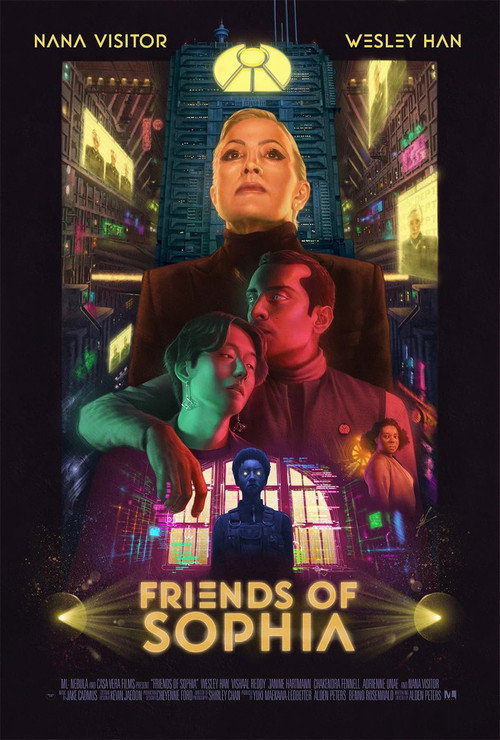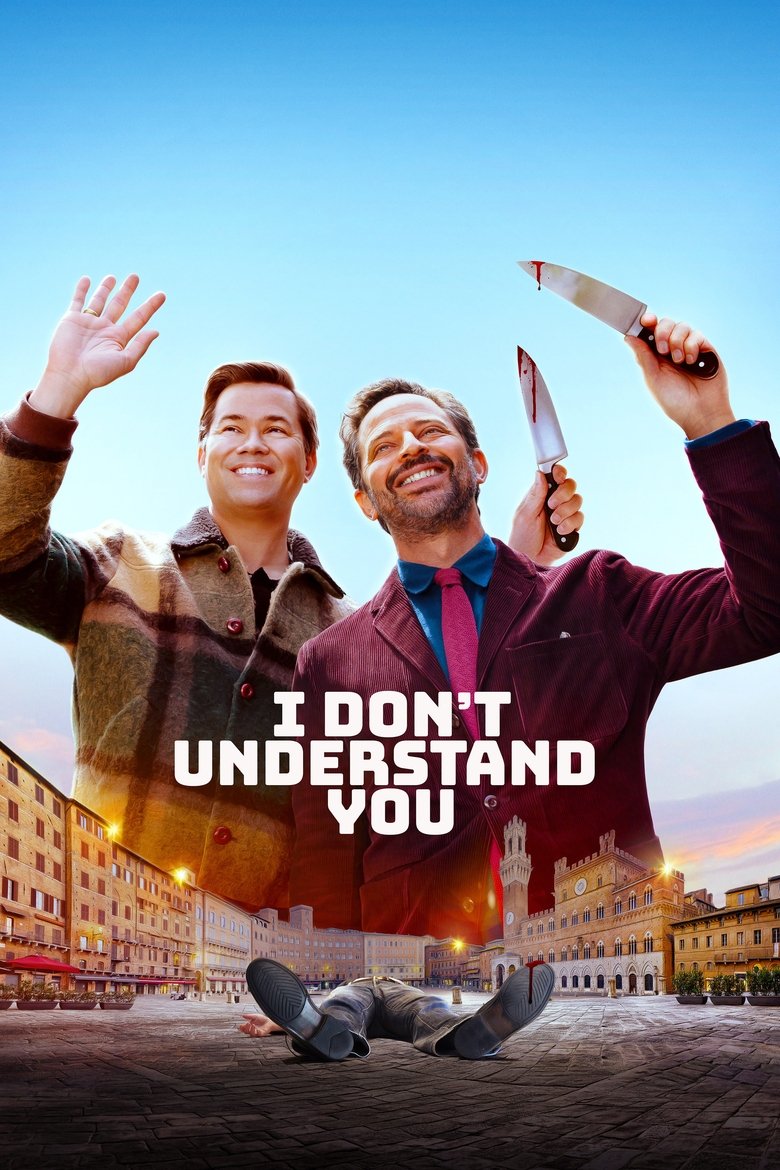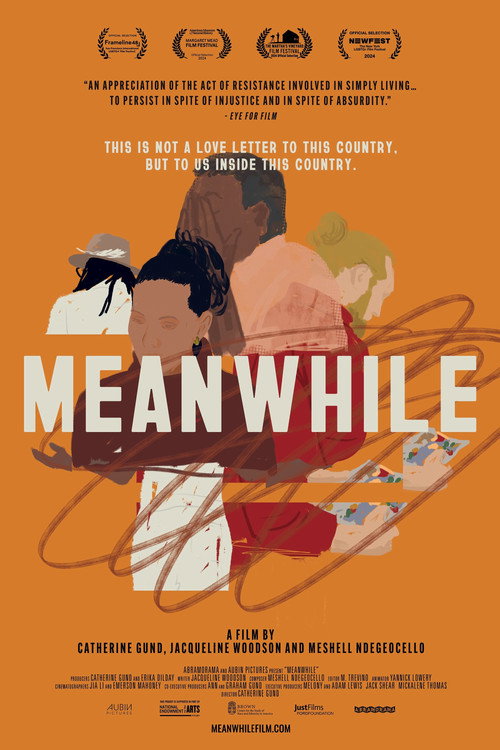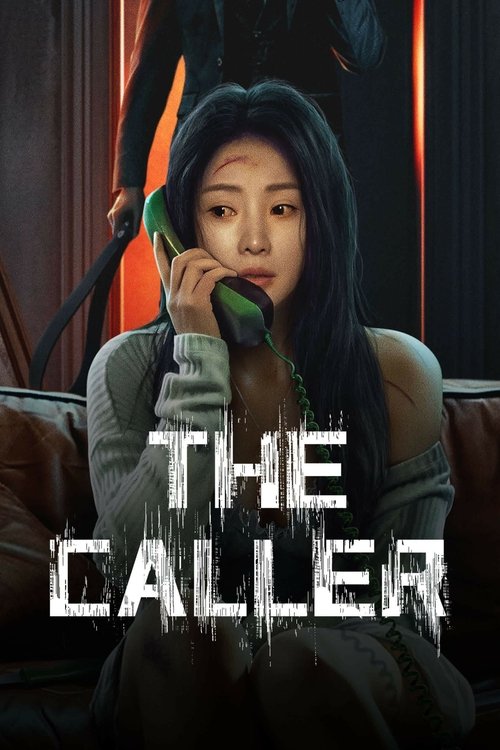


NewFest - The New York LGBTQ+ Film Festival
NewFest - The New York LGBTQ+ Film Festival, founded in 1988 in New York City, is one of the world's largest and most influential LGBTQ film festivals, operating from the cultural and media centre of the United States and reaching audiences across New York's five boroughs as well as through digital programming that extends its reach nationally.
New York's scale and its position as a global media city give NewFest a platform that few city-specific LGBTQ+ festivals can match. The festival's screenings take place at venues including the IFC Center, the SVA Theatre, and various partner cinemas across Manhattan and Brooklyn, allowing it to reach different communities within New York's enormously diverse population. The city's LGBTQ+ community is itself one of the world's largest and most varied, encompassing communities whose relationship to film, to politics, and to cultural expression varies widely, and NewFest has consistently tried to programme for that diversity rather than for a single imagined queer viewer.
The 1988 founding places NewFest in the earliest cohort of American LGBTQ+ film festivals, launched during the AIDS crisis at a moment when queer cinema was simultaneously an act of political urgency and a form of community survival. The festival emerged from the New York activist environment of that period, and the political dimension of its programming has remained consistent across the decades even as the legal and social landscape for LGBTQ+ people in New York has changed dramatically.
Feature films, shorts, and documentary works compete across NewFest's programme, with separate award tracks for different categories. The documentary section has historically been a particular strength, reflecting New York's role as a centre of American documentary production and the importance of non-fiction film to LGBTQ+ political and cultural documentation. Films that preserve testimony, historical record, and community experience through documentary form have always been central to the festival's mission.
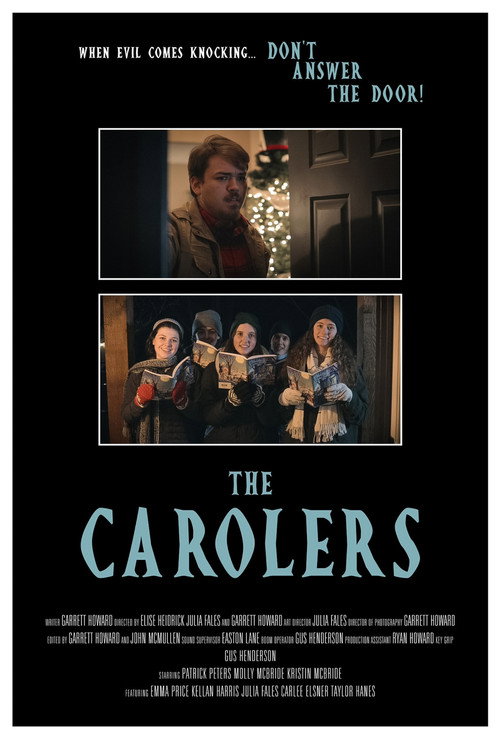
Genre work is genuinely present in the NewFest programme. LGBTQ+ horror, thriller, and genre cinema have a productive contemporary moment, with filmmakers bringing queer perspectives to forms that have historically included complex queer subtexts alongside explicit homophobia. NewFest has been willing to programme this work, including horror films, psychological-horror works, and genre-inflected shorts that foreground queer experience in genre frameworks. This engagement with genre reflects both the contemporary reality of queer independent film production and NewFest's commitment to representing the full range of queer cinema.
New York's media infrastructure means that NewFest operates in an environment where acquisitions executives, distributors, journalists, and streaming platform representatives are attending screenings. A NewFest selection is not just a cultural honour but a practical opportunity for distribution conversations, and the festival has been a launch platform for films that have gone on to significant distribution in the American market.
International programming is substantial. Films from Europe, Latin America, Asia, and increasingly from regions where LGBTQ+ filmmaking occurs under conditions of legal risk are part of the NewFest selection. Screening films from countries where the content would be censored or where the filmmakers face personal risk for making it gives NewFest an advocacy dimension that complements its role as a celebration of queer cinema.
The festival has expanded its digital programming since the pandemic, running hybrid editions that allow the New York programme to reach audiences outside the city. This digital expansion has increased NewFest's reach without diminishing the importance of its in-person New York edition, which remains the primary event and the one that generates the most industry attention.
Since 1988, NewFest has documented, championed, and helped distribute some of the most significant LGBTQ+ films produced in America and internationally, building an archive of programming that reflects the evolution of queer cinema over nearly four decades.