

Newport Beach Film Festival
The Newport Beach Film Festival has been held each April in the wealthy coastal city of Newport Beach, California, since its founding in 1999, making it one of the larger independently run film festivals in Southern California outside the Los Angeles festival circuit proper. The festival screens hundreds of films across its ten-day run, drawing attendees from across Orange County and the broader Los Angeles basin, and it has grown into a significant showcase for international cinema that might otherwise struggle to find Southern California audiences.
The scale of Newport Beach's programming is one of its defining characteristics. Rather than a curated selection of thirty or forty films, the festival consistently presents well over three hundred titles across features, documentaries, and shorts. This volume approach reflects the festival's philosophy of accessibility - organisers have long described the event as a celebration of cinema in all its forms, with something on offer for every taste. The screening venues are distributed across Newport Beach's upscale commercial and leisure districts, giving the festival a resort-town atmosphere that distinguishes it sharply from urban festival culture.
International cinema forms a significant portion of the programme, with films from across Europe, Asia, Latin America, and the Middle East competing in the international feature competition. The festival presents its Jury Awards and Audience Awards as parallel recognition tracks, valuing both critical and popular response. The Audience Award winners in particular often surface films that connect emotionally with general viewers rather than primarily with industry insiders.
États-Unis festival culture in California tends to stratify by geography - Los Angeles for industry, San Francisco for art-house, Sundance (just across the state line in Utah) for independents - and Newport Beach occupies its own distinct niche as a community-rooted event with genuine curatorial ambition. The festival has historically emphasised world cinema, human interest stories, and films that illuminate perspectives beyond the English-speaking mainstream.
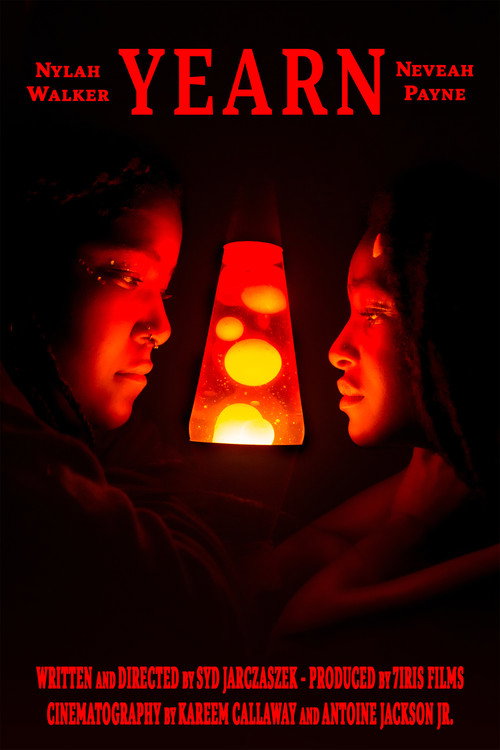
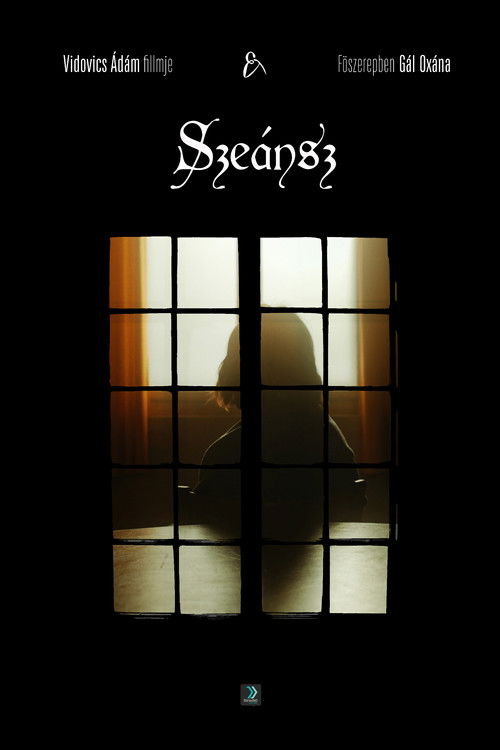
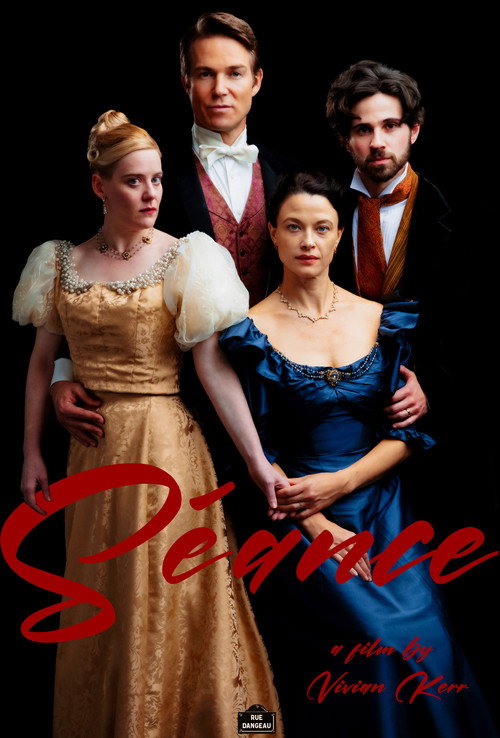
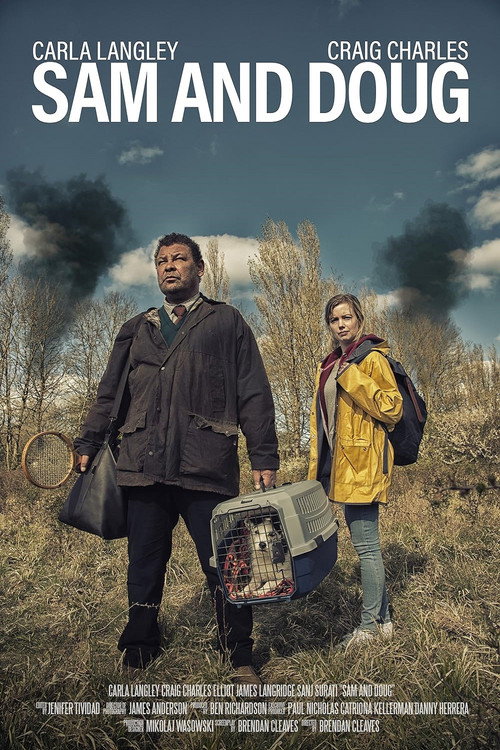
Genre work appears in the Newport Beach programme without dominating it. Thriller films and crime dramas appear regularly in the international competition, and the festival has screened internationally produced genre cinema from markets where the horror-thriller bleed is common - South Korea, France, Argentina. The festival does not position itself as a genre event, but its volume and breadth mean that genre films cycle through its programme as a natural consequence of programming widely.
The festival's industry programming includes panels, retrospectives, and filmmaker conversations. Newport Beach has hosted tributes to established directors and actors, using its Southern California location to draw talent that might not appear at more remote festival venues. These tribute events have become crowd-drawing set pieces of the annual programme.
Short films receive their own competitive strand, with entries from student filmmakers and emerging professionals competing alongside more established practitioners. The festival has been attentive to animation and documentary shorts as well as live-action work, maintaining competitive sections across formats.
The Orange County setting gives Newport Beach Film Festival a character that divides opinion among film culture commentators - the association with wealth and leisure prompts some to question whether it functions as a serious cultural institution or primarily as an entertainment amenity for an affluent community. The festival's own answer to that question has consistently been to point to its programming breadth, its international reach, and the careers of filmmakers who have benefited from the platform it provides. By those measures, it has established itself as a durable and regionally important event across more than two decades of continuous operation.
The festival's website at newportbeachfilmfest.com serves as the primary booking and information platform, and its community engagement - partnerships with local schools, youth programming, and educational screenings - reflects the organisers' intent to embed the festival in the fabric of the city rather than simply importing a temporary cultural event each spring.