The Golden Horse Film Festival is the most prestigious Chinese-language film awards and festival event in the world, founded in Taiwan in 1962 during a period when the Republic of China government was actively using cultural institutions to affirm Taiwanese identity and regional influence in Chinese-speaking East Asia. The name references the Golden Horse Islands off the coast of Fujian province - their Chinese pronunciation, Jinma, forms the basis of the festival's identity.
Held annually in Taipei each November, the Golden Horse Awards ceremony is the centrepiece of the festival, presented by a changing roster of ceremony directors and hosts and broadcast across the Chinese-speaking world. The awards cover the full range of filmmaking categories - direction, acting, screenwriting, cinematography, editing, score - for Chinese-language films from Taiwan, Hong Kong, mainland China, Singapore, Malaysia, and diaspora productions. The competitive program spans all genres and formats, and the jury is composed of filmmakers, critics, and industry figures from across Chinese-speaking communities.
The festival's significance within Chinese-language genre cinema is substantial. Hong Kong cinema - which produced one of the most prolific and internationally influential genre traditions in film history across the 1970s, 1980s, and 1990s, spanning horreur, thriller, action, supernatural, and exploitation forms - was a major presence in Golden Horse competition for decades. Directors and performers from Hong Kong's genre peak, including those associated with the heroic bloodshed cycle, the ghost film tradition, and the Category III extreme-content productions, received recognition through the Golden Horse system at a time when Western critical institutions largely ignored them.
Taiwanese horror and supernatural cinema has its own distinct tradition, shaped by folk belief systems, Buddhist cosmology, and the specific ghost mythology of the island's Hokkien and indigenous cultures. Films engaging with this tradition have appeared in Golden Horse competition and sidebars over the decades, giving the festival a role in legitimising Taiwanese genre production within the Chinese-language critical hierarchy.
The relationship between the Golden Horse Festival and mainland Chinese cinema has been politically complex and has periodically been interrupted by diplomatic tensions. Mainland productions have been absent from competition during periods of political friction, most notably after 2019, when mainland studios and official bodies boycotted the festival following comments made by a documentary director during the awards ceremony. This boycott has had tangible effects on the competitive field but has also, for some observers, reinforced the festival's independence and its importance as a non-mainland-Chinese institution for Chinese-language film culture.
The Golden Horse Film Academy, which runs a film education program for young Chinese-language filmmakers, reflects the festival's investment in the long-term development of the regional industry. Alumni of the Academy have gone on to make festival films in competition and have contributed to genre production across Taiwan and Hong Kong.
The festival's public screenings program brings international art cinema to Taipei audiences and supplements the awards-focused competitive section with a broader curatorial vision. The selection draws from major festival circuits and includes retrospective and tribute programs dedicated to significant figures in Chinese-language and world cinema.
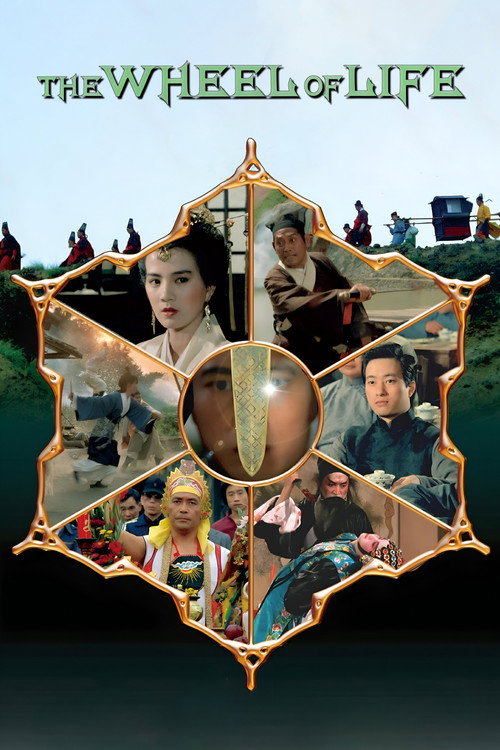
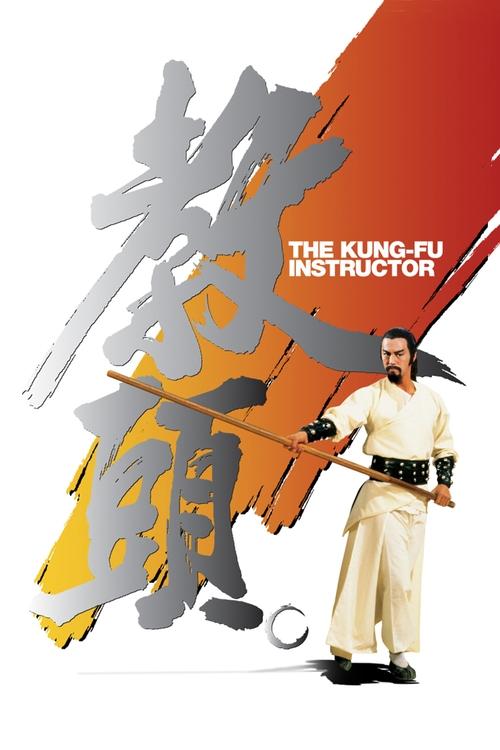
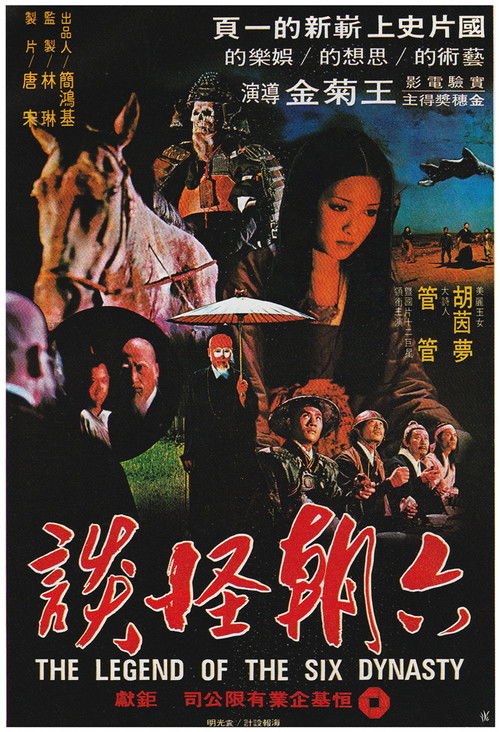
For the CaSTV catalog, the Golden Horse Festival is relevant as the primary competitive context for Hong Kong horror and supernatural cinema, Taiwanese folk-horror adjacent work, and the broader Chinese-language genre tradition. Its prize history is a map of which films the Chinese-language film industry considered significant across more than six decades - a record that genre-cinema scholarship increasingly treats as essential primary source material.
 Toronto International Film Festival
  International Film Festival Rotterdam
  Berlin International Film Festival