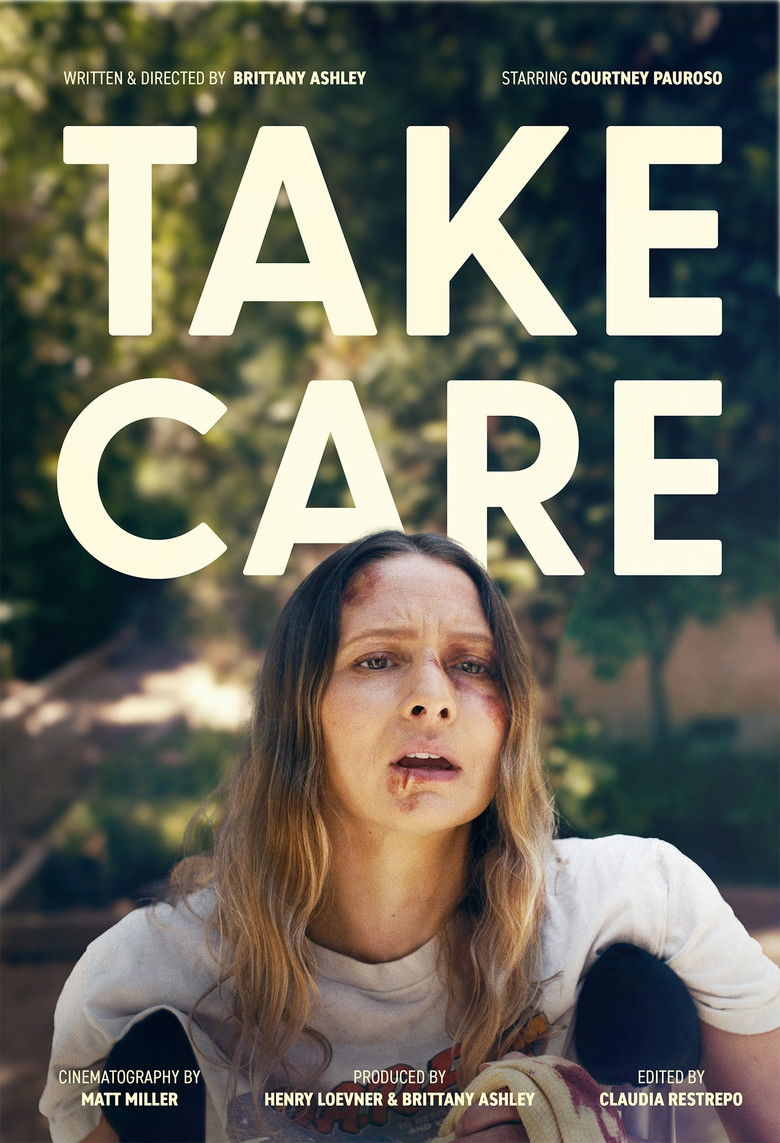


Frameline: San Francisco International LGBTQ Film Festival
Frameline: San Francisco International LGBTQ Film Festival is the oldest and largest LGBTQ film festival in the world, founded in 1977 in San Francisco during the same era that produced the city's most transformative queer political organising. That founding context is not incidental - Frameline emerged from a community that was building its own cultural institutions in parallel with its political ones, and the festival has remained rooted in that spirit for nearly five decades.
Held annually in June - deliberately timed to coincide with Pride Month - the festival runs across multiple venues in the United States, centred on San Francisco's Castro Theatre, itself a landmark of queer cultural life. The Castro, a 1922 movie palace that has hosted Frameline since the festival's early years, is inseparable from the festival's identity. Its baroque interior and its neighbourhood history give Frameline screenings a weight and atmosphere that no generic multiplex could replicate.
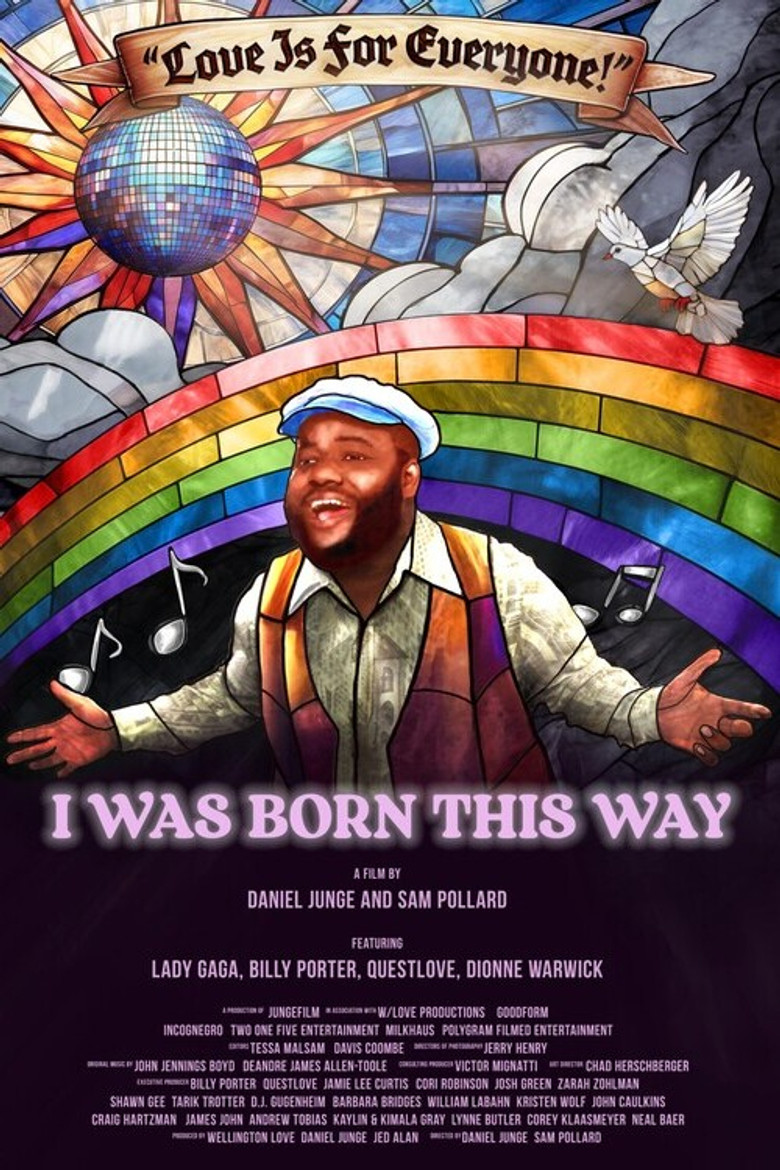
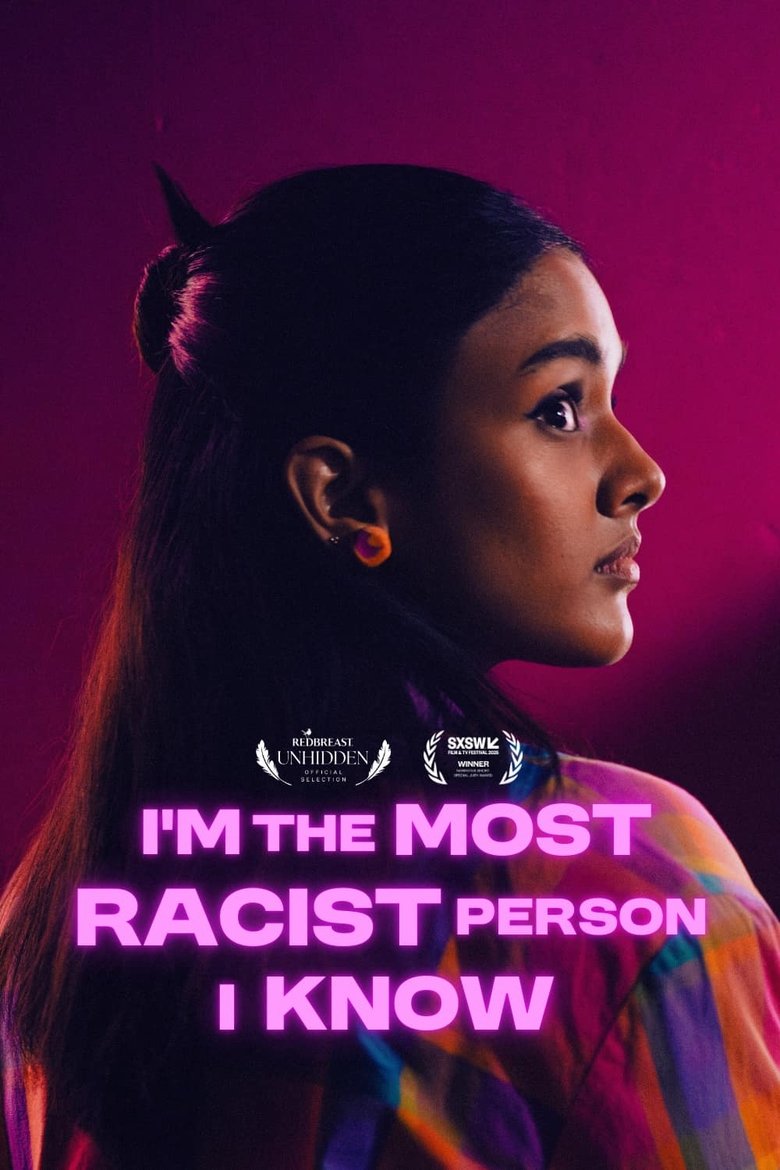
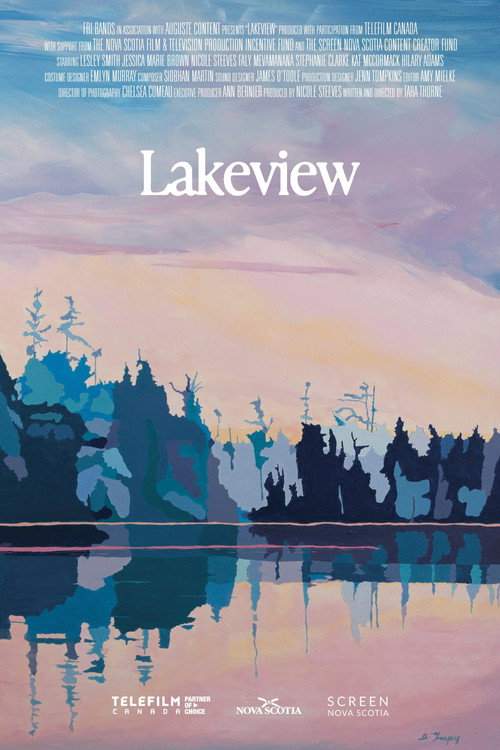
The festival presents features, documentaries, and short films from around the world, with an emphasis on work that centres LGBTQ experiences, identities, and communities. Frameline Completion Funds have supported the production of hundreds of films since the 1990s, making it not merely a screening platform but an active financier of queer cinema. Many films that have defined queer filmmaking internationally received their first major platform at Frameline or were partly funded through its grants.
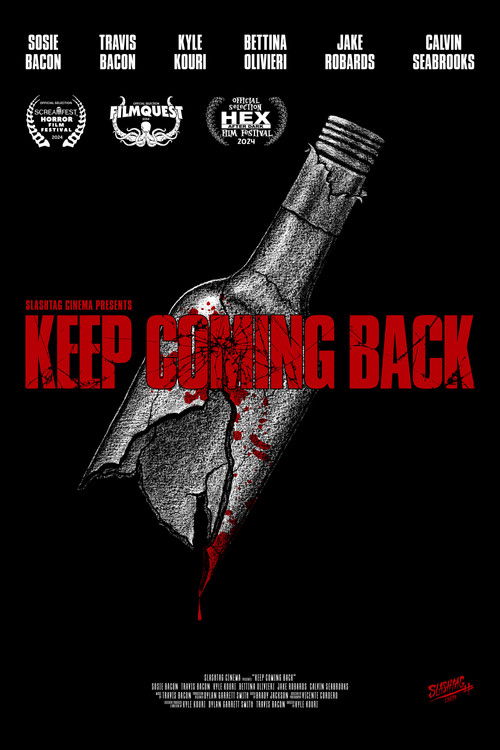
The festival's engagement with genre cinema is real and historically grounded. Queer horror, queer thriller, and queer exploitation cinema have all found an audience and a critical framework within Frameline's programming. The intersection of queerness and horror in particular - the monster as queer metaphor, the slasher as coded punishment narrative, the vampire as figure of transgressive desire - has been a recurring subject in academic and curatorial discourse around the festival. Frameline has screened and championed films in the horreur tradition that use genre conventions to explore queer subjectivity, fear, and survival.
Beyond genre, the festival's scope is genuinely international. Films from Latin America, Europe, Asia, and Africa appear regularly in its selections, and it has been an important early platform for cinema from countries where LGBTQ representation in film is politically contested or legally precarious. This international dimension gives Frameline a curatorial complexity that goes beyond the city or country it calls home.
The Frameline Achievement Award, presented annually, honours individuals who have made exceptional contributions to LGBTQ cinema. Past recipients include filmmakers, actors, activists, and distributors whose work shaped the landscape of queer film. The award has been given to figures whose work spans art cinema, documentary, and genre filmmaking.
The festival also functions as an industry event to a meaningful degree. Frameline engages distributors, acquisitions executives, and programmers alongside its general audience, and films premiering at the festival have gone on to theatrical release, streaming distribution, and festival tours. The short-film program is a particularly active talent pipeline, and Frameline shorts alumni have developed into significant feature filmmakers.
San Francisco's particular geography - its density of queer institutions, its history of political organisation, its relationship to the entertainment industry across the bay - makes it an unusually fitting host for the world's leading LGBTQ film festival. Frameline is not a genre festival by primary mandate, but its engagement with the full spectrum of queer filmmaking, including its darkest, most extreme, and most formally inventive expressions, keeps it relevant to the genre-cinema conversation.