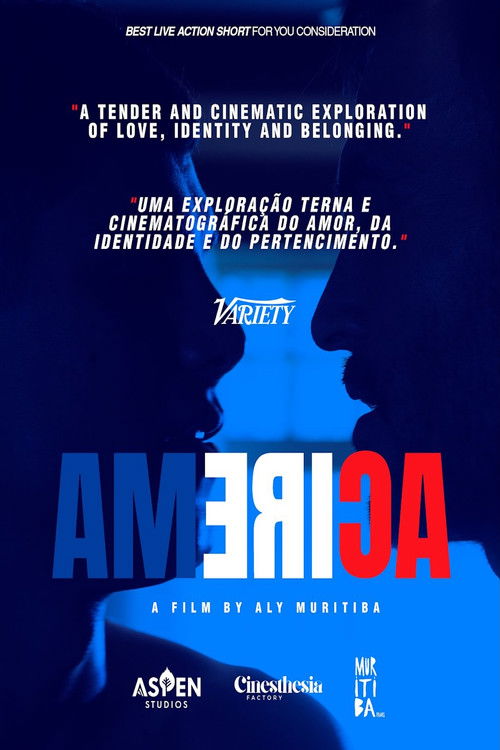
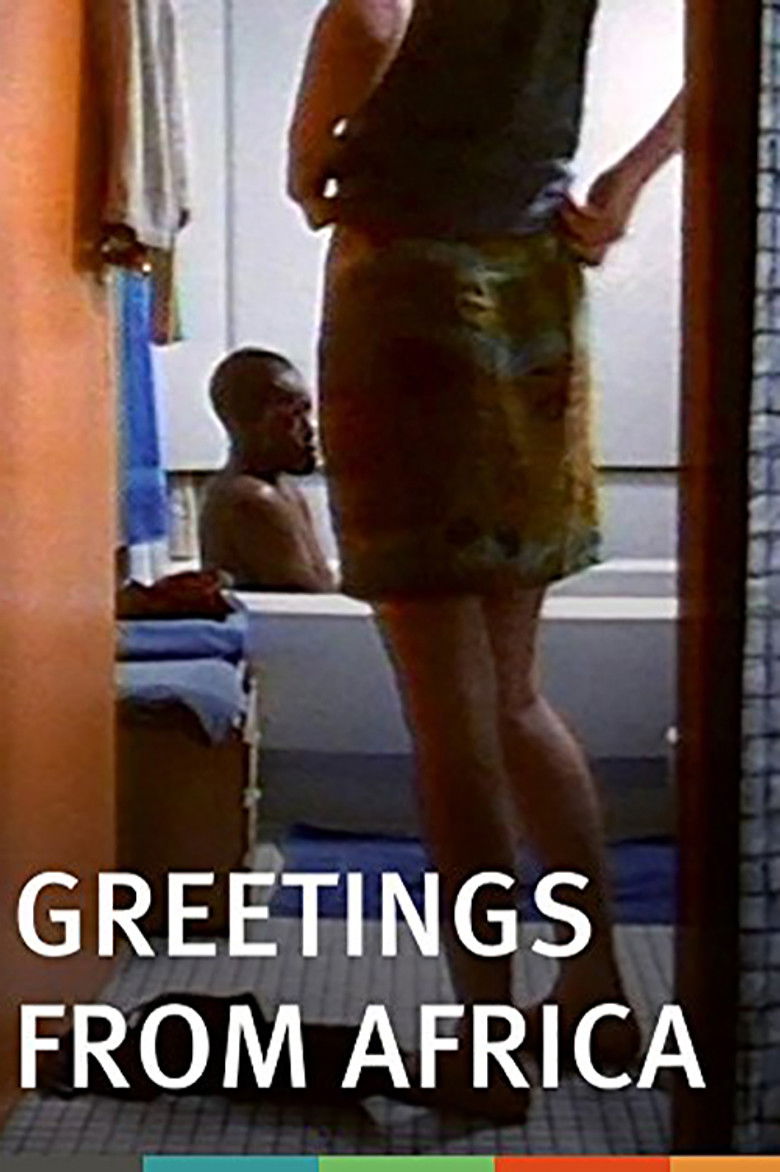
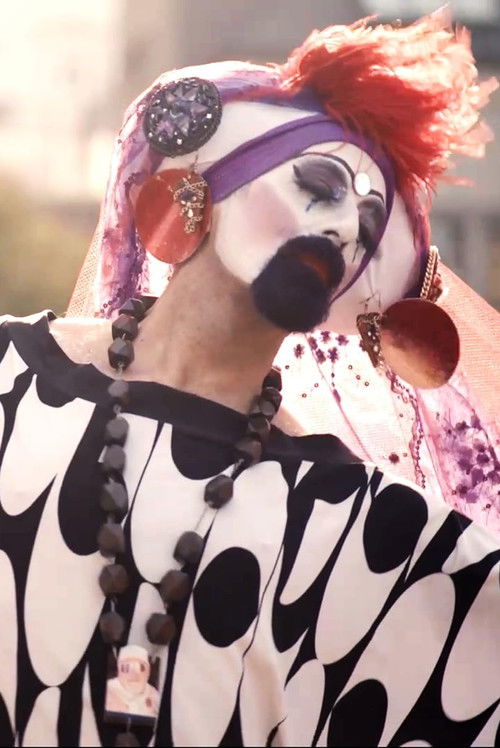
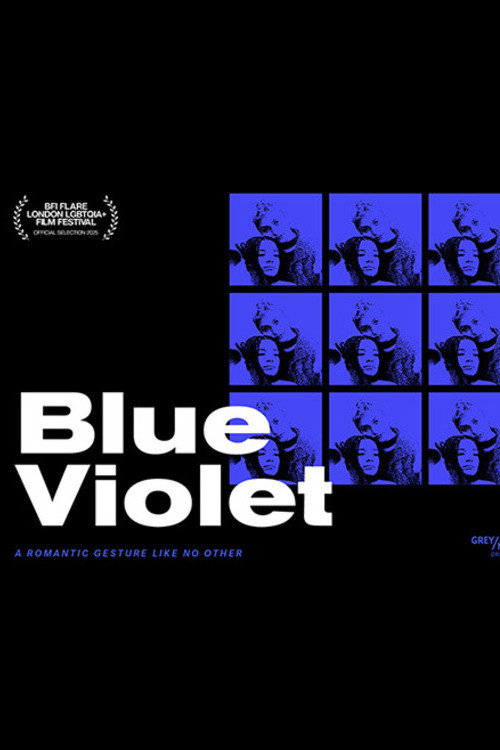
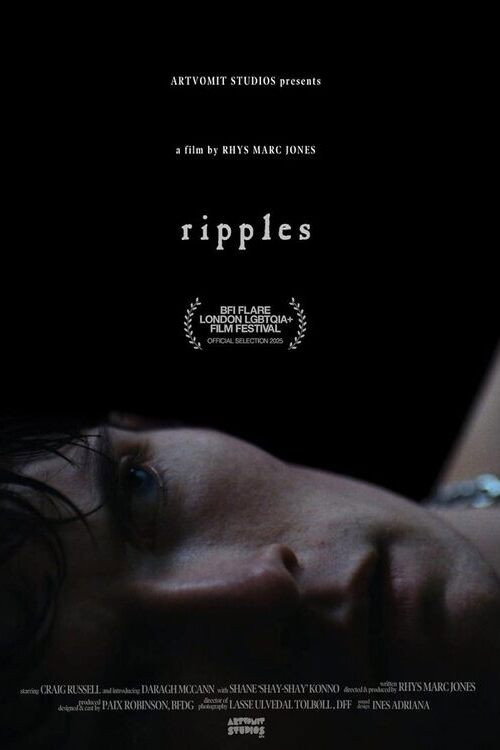
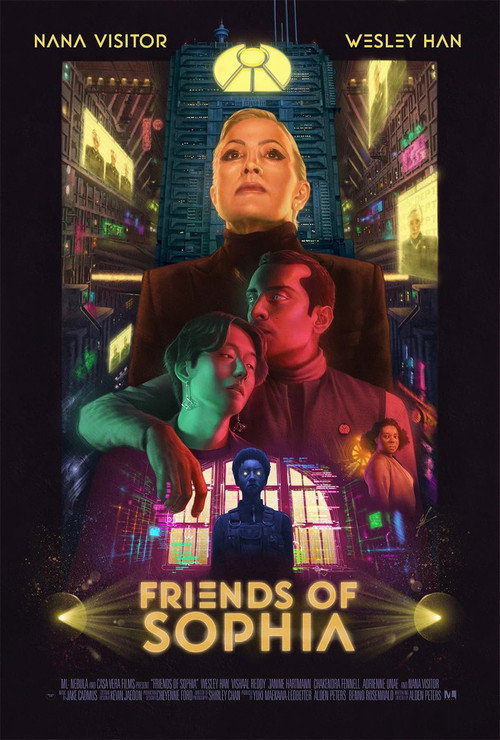
BFI Flare: London LGBTIQ+ Film Festival, founded in 1986 and operated by the British Film Institute, is the oldest and largest LGBTQ film festival in the Royaume-Uni, programming more than a hundred films annually across features, shorts, and documentary forms at the BFI Southbank on the Thames.
The British Film Institute's institutional backing gives BFI Flare a profile and resource base that sets it apart from independently operated LGBTQ+ festivals worldwide. The BFI Southbank - with its multiple screens, bar, bookshop, and archival infrastructure - is one of the most fully realised dedicated film venues in Europe, and having it as the festival's primary home gives BFI Flare both legitimacy and a distinctive physical identity. The riverside location in central London, accessible from across the city and frequented by both dedicated film audiences and casual visitors, means the festival reaches a broader demographic than events confined to community-specific venues.
Founded in 1986 - the same year that Section 28 was being drafted and at the height of the AIDS crisis's impact on British culture - the festival emerged from a moment of acute political urgency. Programming queer cinema at that moment was not simply a cultural act but a form of resistance, and the event's foundation in that climate has inflected its identity across the decades. BFI Flare has consistently programmed films that engage with queer politics, history, and survival alongside those that celebrate queer joy, desire, and community.
The festival's genre programming is a genuine and consistent element of its identity. LGBTQ+ horror, thriller, and genre cinema have a long and productive history - queer readings of classic horror are a substantial critical tradition, and contemporary queer filmmakers have produced significant horror work that BFI Flare has championed. Films in the horreur mode that foreground queer experience, whether as direct subject matter or through the metaphorical dimensions the genre permits, have appeared regularly in the programme's competitive and showcase sections.
Experimental and hybrid works feature prominently. BFI Flare has never restricted itself to accessible narrative cinema, and formally adventurous short films, essay works, and hybrid documentary-fiction pieces that deal with LGBTQ+ experience have always been part of its competitive short categories. The BFI's institutional commitment to film culture as a whole, rather than merely to mainstream cinema, supports this programming breadth.
The awards structure at BFI Flare includes jury prizes for features and shorts, with separate recognition for first features - acknowledging the particular importance of debut work in queer cinema, where many filmmakers are making films about experiences that have limited visibility in mainstream production. Industry events, Q&A sessions, and filmmaker-audience interactions are woven through the programme during the festival's annual run in March.
International reach is significant. BFI Flare draws submissions from across Europe, North America, Latin America, Asia, and increasingly from regions where LGBTQ+ cinema is made under conditions of legal or social risk. Screening films from countries where the subject matter is criminalised or heavily censored has been part of the festival's mission, making it a platform for work that cannot screen domestically in its country of origin.
Over its four decades the festival has gone through several name changes - earlier editions operated under different titles before settling on the BFI Flare identity - but its position as the UK's primary LGBTQ+ film festival has remained constant. For European and international queer cinema, a BFI Flare selection carries genuine prestige within the community it serves.
 Mardi Gras Film Festival
  Chéries-Chéris